
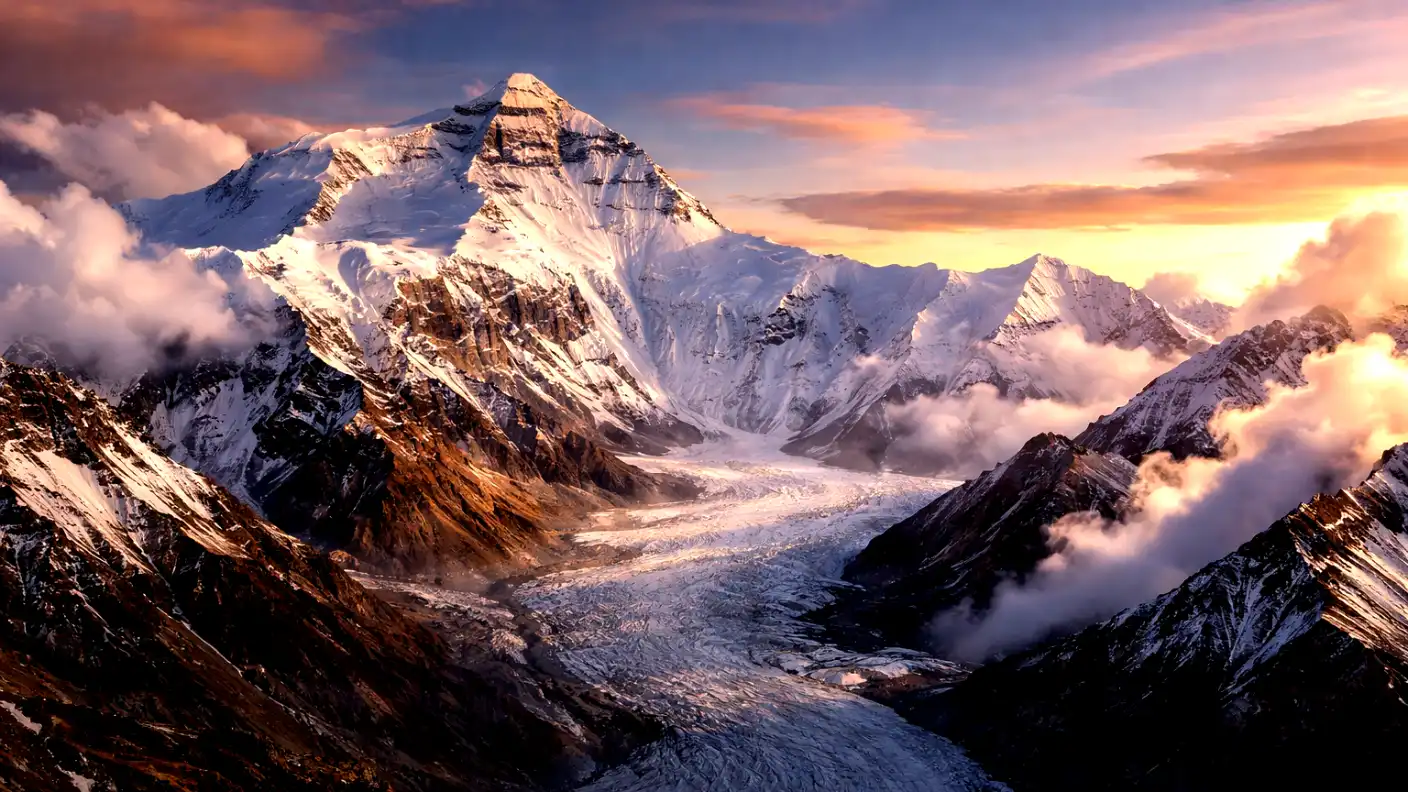
Mount Everest has long stood as the ultimate symbol of human endurance and the dream of a lifetime for many adventure seekers. It represents the pinnacle of mountaineering, where climbers face extreme cold, thin air, and the sheer unpredictability of nature. However, a new, ugly reality has emerged from the shadows of the world’s highest peak. Local authorities recently exposed a massive $20 million fraudulent scheme involving rescue operations. Instead of helping climbers in genuine distress, certain guides and companies reportedly orchestrated fake emergencies, dragging healthy climbers off the mountain to collect fat payouts from insurance providers.
This investigation has shocked the global mountaineering community. For years, the industry relied on trust—the belief that if things went wrong, someone would be there to save you. By turning this life-saving service into a money-making scam, these individuals have endangered everyone who sets foot on the mountain. When the business of rescue becomes more profitable than the business of climbing, the entire foundation of adventure tourism begins to crumble. This article peels back the layers of this high-stakes fraud and asks what it means for the future of mountaineering in the Himalayas.
How the Rescue Scam Worked on the World’s Highest Peak
The mechanics of the fraud were as simple as they were cruel. Guides and companies involved in the scheme identified wealthy climbers who possessed expensive, comprehensive travel insurance policies. These climbers often came from countries where insurance companies paid out claims without much question, provided they received the right paperwork. The scammers targeted these individuals, waiting for a moment when the climber felt exhausted or slightly altitude-sick—conditions that are normal at extreme elevations.
Once they identified a target, the process moved quickly:
- The Fake SOS: The guide would contact a helicopter company or insurance coordinator, claiming the climber faced a life-threatening emergency, such as high-altitude cerebral edema (HACE) or severe frostbite.
- The Unnecessary Extraction: A helicopter would arrive, often flying in dangerous conditions, to pluck the climber from the mountain. The climber, usually confused and tired, went along with the evacuation.
- The Falsified Report: Back at the hospital or the base camp, the guides and complicit medical staff would file official reports documenting a medical emergency that never actually existed.
- The Insurance Payday: The rescue company and its partners would bill the insurance provider for thousands of dollars, far exceeding the actual costs of the flight and medical care.
Betrayal of Trust: The Human Cost of Fraud
The most devastating impact of this scheme is not the millions of dollars lost, but the shattered trust. Mountaineering is inherently dangerous. Climbers rely on their guides for their lives. When a guide decides to prioritize a fraudulent insurance payout over the well-being of the climber, they violate the most sacred bond in the mountains. Many climbers who were “rescued” against their will reported feeling coerced, misled, and even humiliated when they realized their expensive dream had been cut short for a profit.
Beyond the individual climber, this fraud puts every other person on the mountain at risk. Helicopters flying unnecessary rescue missions consume precious fuel, occupy narrow landing zones, and put pilots in danger for no reason. When a helicopter is busy moving a healthy person to satisfy a fraudulent claim, it cannot be in the air rescuing someone who is actually dying. This scam effectively steals the chance of survival from those who truly need it.
The Global Insurance Industry Responds
Insurance companies operate on calculated risk. They study accident rates and historical data to set their premiums for high-altitude expeditions. For a long time, the cost of an Everest rescue was just one of many potential expenses. However, a $20 million fraud scheme is impossible to ignore. Insurance providers have now started to pull back, raising premiums to eye-watering levels or refusing to cover Everest expeditions entirely.
This reaction from the global insurance market forces the honest players to pay for the sins of the scammers:
- Skyrocketing Premiums: Climbers now find it harder and more expensive than ever to secure the insurance required for a permit.
- Increased Scrutiny: Insurance companies now require detailed, independent verification before authorizing any rescue. This delay can cost lives if a real emergency happens.
- Policy Exclusions: Some companies have added “Everest clauses” that specifically deny coverage for high-altitude medical issues unless a third-party medical board certifies them.
The Future of Everest Tourism: Can the Industry Be Saved?
The Everest climbing industry faces a crossroads. Authorities in the region have promised a full crackdown, including revoking licenses for companies linked to the fraud and implementing stricter oversight of helicopter rescue companies. Yet, the mountain is remote, and the logistics of enforcement are incredibly difficult. How do you police a helicopter flight at 20,000 feet?
To survive, the industry needs to rethink its entire structure. It needs to stop focusing on the volume of climbers and start focusing on the quality and integrity of the experience. This means:
- Independent Rescue Boards: Establishing a neutral, non-profit body to authorize all helicopter rescues, ensuring that only genuine emergencies trigger an evacuation.
- Strict Licensing: Moving away from a system where anyone can be a guide and toward a system of rigorous, certified training and ethical vetting.
- Transparency Requirements: Mandating that every rescue company share flight logs and patient medical records with an independent oversight committee.
Protecting the Mountain and the Climber
Mount Everest should remain a place for personal growth and exploration, not a venue for corporate greed. While the fraud scheme is shocking, it provides a necessary wake-up call. The mountaineering community, the local government, and the global insurance industry must work together to close the loopholes that enabled this.
True mountaineering has always been about facing nature, not outsmarting the system for a quick dollar. The challenge for the coming years is to preserve the spirit of climbing while removing the incentives for fraud. This requires honesty from the guides, accountability from the helicopter companies, and awareness from the climbers themselves. We need to remember that the mountain doesn’t care about insurance payouts or fraudulent schemes. It only cares about the climber’s respect for the peak.
Final Thoughts: The Integrity of the Climb
The story of the $20 million rescue scam will be told for a long time as a warning of how quickly an industry can rot when greed takes the lead. It is a sad chapter for the world of extreme adventure. But if anything good comes from this, it will be the forced return to basics. Integrity must become the most valuable currency on the mountain.
Climbers heading to the Himalayas should now be more careful than ever. They should ask tough questions about their guides, look into the insurance policies they buy, and stay aware of their own medical needs at high altitudes. The mountain will always be there, but the way we approach it has changed forever. It is time for everyone involved—from the Sherpa on the mountain to the insurance executive in a distant office—to ensure that the only things left behind on Everest are footprints, and the only things coming home are safe, honest climbers.