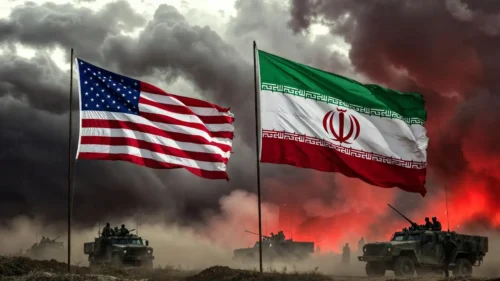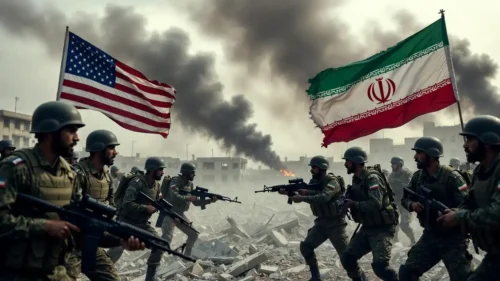

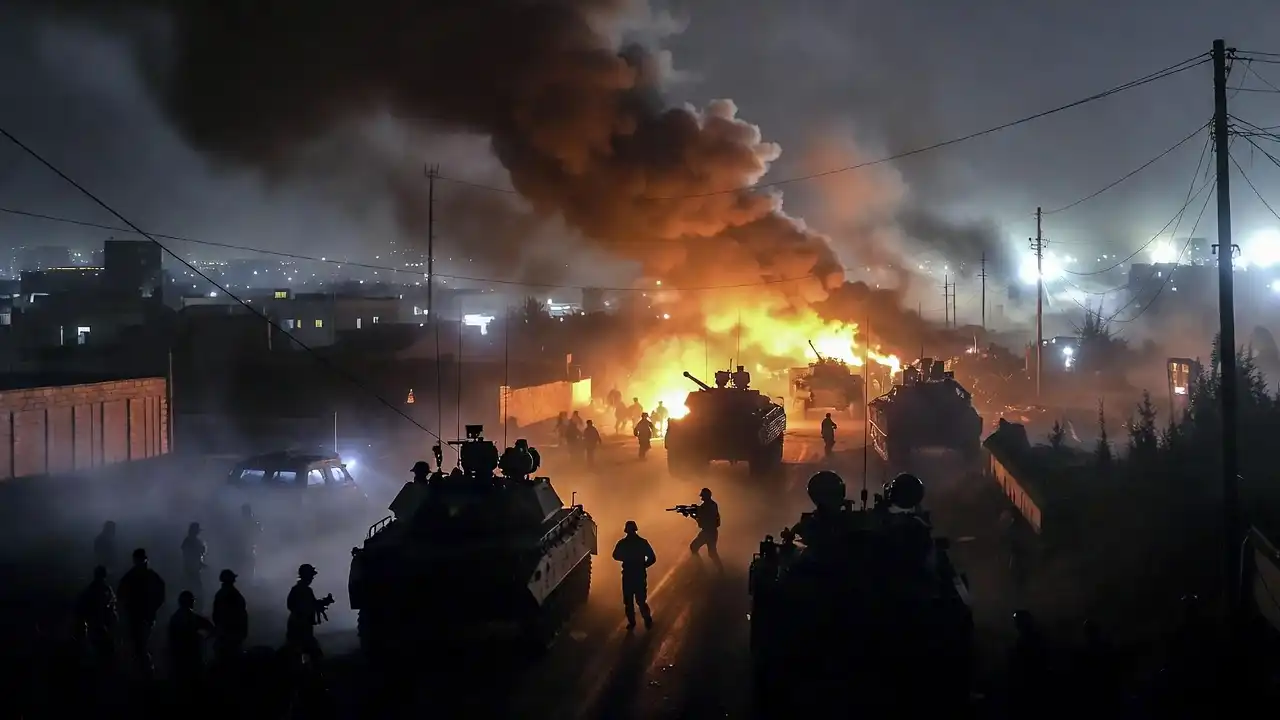
Iran and Israel aggressively attacked each other’s major energy facilities this week. The fierce strikes push the Middle East closer to total chaos and severely complicate American efforts to calm the global financial markets. As the war approaches the 3-week mark, international Brent crude oil prices quickly surged toward $110 a barrel. United States crude oil also jumped near $100 before settling around $96 a barrel. Since the war started on February 28, both oil contracts have skyrocketed by more than 40%.
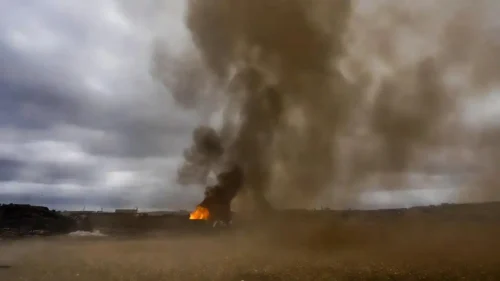
The violence directly hit some of the most important fuel hubs on the planet. State-owned QatarEnergy reported extensive damage at the Ras Laffan Industrial City, which is the world’s largest liquefied natural gas export plant. Qatar officially called the Iranian attack a dangerous escalation. Just hours earlier, Tehran warned it would target Gulf energy sites after Israel bombed the massive South Pars gas field in Iran. The South Pars attack caused immediate regional problems. For example, Iraq reported a sudden loss of power generation because Iran completely halted its daily gas supplies.
President Donald Trump expressed deep frustration with his international allies. He demanded that other countries step up and help secure the critical Strait of Hormuz, which remains almost completely blocked to commercial shipping. To fight soaring costs, Trump temporarily waived a century-old shipping rule to lower the cost of moving energy goods across the United States. Meanwhile, Vice President JD Vance and top administration officials scheduled meetings with wealthy oil executives on Thursday. Vance called the sudden spike in fuel prices a temporary blip, even as average American gasoline prices hit $3.84 a gallon just months before the November midterm elections.
Militaries from around the world continue fighting for control over the Strait of Hormuz. Late Tuesday, United States forces dropped massive 5,000-pound bunker-buster bombs on Iranian missile launch sites located near the waterway. At the same time, Russia announced plans to send naval warships to protect merchant vessels traveling through the danger zone. Despite the heavy American bombing at the Kharg Island export hub, Iran still manages to move its own oil through the strait at normal pre-war levels.
The human cost of the conflict grows rapidly every single day. The official death toll just surpassed 4,000 people, with more than three-quarters of those fatalities happening inside Iran. Israel killed more than 900 people in Lebanon while fighting the Hezbollah group. The United States military has lost 13 service members so far. Recent strikes assassinated top Iranian officials, including security chief Ali Larijani, paramilitary leader Gholamreza Soleimani, and intelligence minister Esmaeil Khatib. In furious retaliation, Iran launched fresh waves of missiles at Saudi Arabia, Kuwait, and the United Arab Emirates. Another Iranian strike hit Tel Aviv and killed 2 people.
Back in Washington, the war faces growing domestic opposition. Top counterterrorism official Joe Kent resigned in protest, arguing that Israel unfairly dragged the United States into this massive conflict. Director of National Intelligence Tulsi Gabbard also surprised lawmakers during a Senate hearing. She refused to say if Iran actually represented an imminent nuclear threat, which directly contradicts claims from the White House. Trump insists he started the war because Tehran was just two weeks away from building a nuclear weapon, though atomic experts strongly disagree.
Military experts warn that the fighting will only get worse. Retired Army General David Petraeus noted that Iran commands a million armed men and possesses a highly resilient government. He told experts in New York that this bloody war will definitely not end in just one or two weeks.