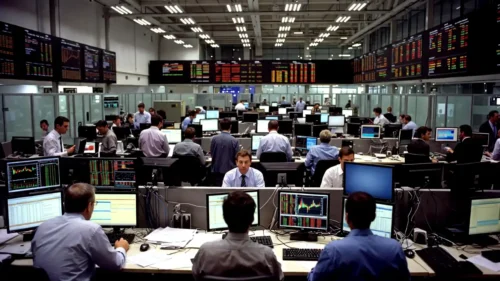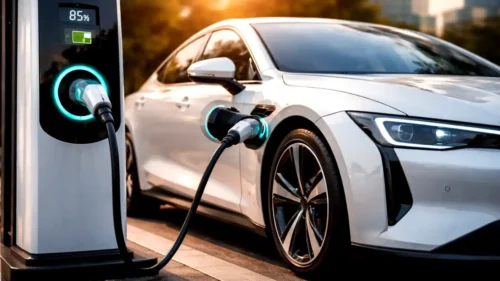

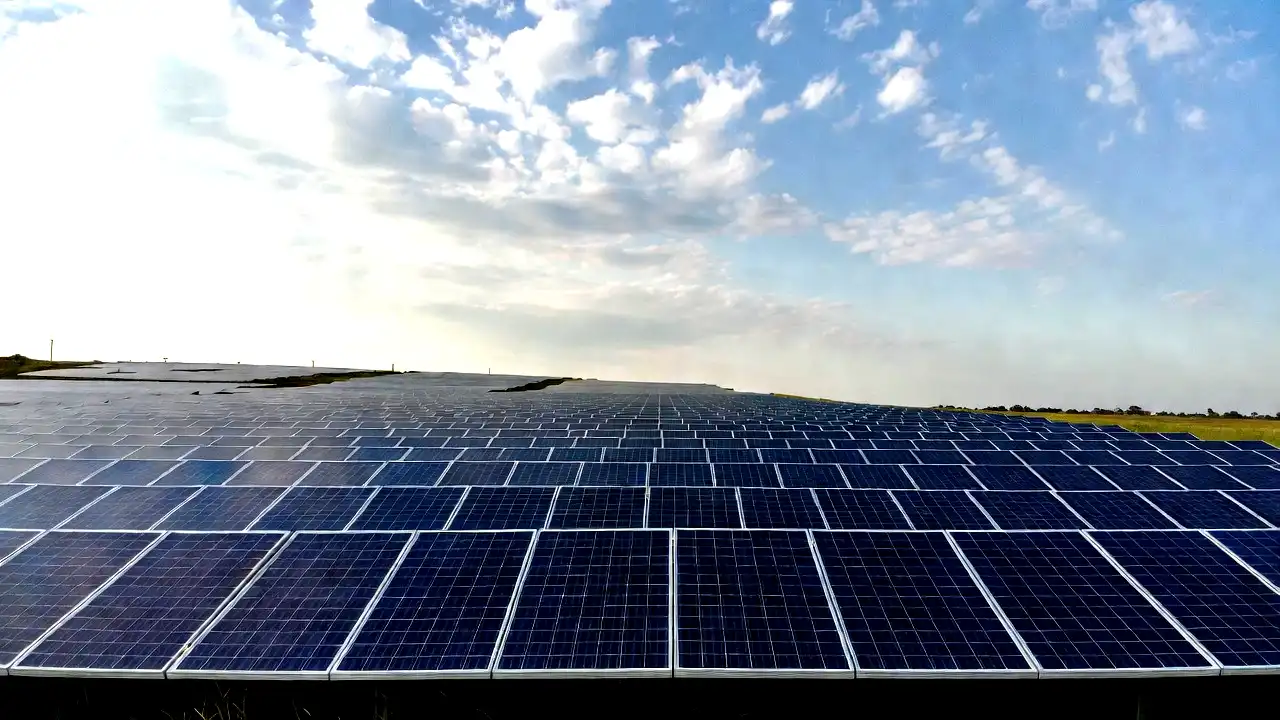
The geopolitical and environmental landscape of the twenty-first century has reached a critical inflection point, fundamentally driven by the urgent need to decarbonize the global economy. At the epicenter of this monumental shift is the European Union, a coalition of nations that has aggressively positioned itself as the undisputed vanguard of the green transition. As we progress through 2026, it is increasingly evident that European renewable energy investment is transforming climate policy from a theoretical framework of emissions targets into a robust, legally binding economic engine. The days of treating environmental protection as a secondary concern are over; today, climate policy is the core of Europe’s industrial strategy, dictating international trade, infrastructure development, and corporate finance. This transformation is not occurring in a vacuum. It is the direct result of trillions of euros flowing from public coffers and private asset managers into wind, solar, and hydrogen projects. By weaponizing capital for ecological good, European policymakers are rewriting the rules of modern capitalism, proving that massive financial returns can align perfectly with planetary survival. This comprehensive analysis explores how the unprecedented surge in renewable energy investments is dictating the evolution, enforcement, and global export of European climate policy.
To fully understand the current landscape, it is crucial to examine how historical frameworks have evolved into actionable financial mandates. The transition from abstract climate goals to rigid economic policies marks a defining era in European governance.
The Evolution of European Climate Policy Through Green Finance
For decades, European climate initiatives were largely characterized by ambitious rhetoric and voluntary targets that lacked the financial muscle needed to drive systemic industrial change. However, the realization that climate change poses an existential threat to both human civilization and economic stability has triggered a profound legislative awakening. European leaders recognized that to achieve carbon neutrality by 2050, policy could no longer merely regulate emissions; it had to actively direct the flow of global capital. Consequently, climate policy has mutated into an aggressive financial strategy, utilizing massive public funding mechanisms to de-risk green technologies and incentivize private equity to follow suit. This financialization of environmental goals ensures that the transition is not just legally required, but economically irresistible.
The legislative journey from initial climate pledges to today’s hyper-focused investment strategies reveals a distinct pattern of increasing urgency. Recent geopolitical shocks have further accelerated the implementation of these foundational frameworks.
From the European Green Deal to REPowerEU 2026
The original European Green Deal, introduced at the end of 2019, set the visionary objective of making Europe the first climate-neutral continent. While groundbreaking, it was the subsequent geopolitical crises—specifically the energy market volatility following the invasion of Ukraine—that catalyzed the REPowerEU plan, fundamentally altering the speed and scale of investment. REPowerEU was not just a climate initiative; it was a desperate, highly effective sprint for energy independence that permanently entangled national security with the deployment of renewable energy. By 2026, this plan will have evolved from emergency legislation into the permanent bedrock of European industrial policy, streamlining permitting processes and unleashing an avalanche of subsidies for clean energy infrastructure.
The implementation of REPowerEU has triggered several structural changes to how climate policy is funded and executed across the continent. These specific policy shifts highlight the aggressive nature of the new European strategy:
- The mandatory allocation of at least 37% of the massive Recovery and Resilience Facility specifically toward green transition projects.
- The implementation of “go-to areas” for renewable energy projects, where they are recognized as being in the overriding public interest, drastically reduces environmental review times.
- The legal requirement for member states to install solar energy on all new commercial and public buildings is fundamentally altering urban planning policies.
- The massive financial backing of the European Hydrogen Bank is to bridge the cost gap between fossil fuels and renewable hydrogen.
The unprecedented flow of capital into the green sector is not merely a philanthropic endeavor. It is driven by a convergence of technological breakthroughs and severe external pressures, making the green transition an absolute necessity.
Driving Forces Behind the Renewable Energy Boom
The current explosion in European renewable energy investment is transforming climate policy because the foundational economics of energy have been upended. Policymakers are no longer pushing a costly, unproven transition upon a reluctant industrial base; instead, they are racing to keep up with the unstoppable momentum of market forces. The realization that renewable energy is now the cheapest form of electricity generation in human history has emboldened legislators to implement far stricter climate mandates. Furthermore, external geopolitical pressures have transformed the green transition from a moral obligation into a vital component of national defense.
Understanding the primary drivers behind this investment surge provides crucial context for why climate legislation is becoming increasingly aggressive. The synergy between external security threats and internal technological triumphs forms the bedrock of modern European governance.
Geopolitical Imperatives and Energy Independence
The most profound catalyst for the recent acceleration in European climate policy was the stark realization of the continent’s vulnerability to imported fossil fuels. Relying on external, often hostile, autocracies for the energy required to power European industries proved to be a catastrophic strategic error. Consequently, climate policy is now synonymous with defense policy. Every euro invested in a domestic wind turbine or a localized solar grid is viewed as an investment in geopolitical autonomy. This shifting paradigm has provided climate lawmakers with unprecedented political capital, allowing them to pass aggressive decarbonization laws that would have faced insurmountable industrial opposition just a decade ago.
Technological innovation has simultaneously obliterated the traditional argument that environmental protection destroys economic growth. The rapid decline in the levelized cost of energy (LCOE) for renewables has completely altered the legislative calculus.
Technological Advancements Lowering Costs
Over the past decade, the cost of manufacturing and deploying solar photovoltaics and wind turbines has plummeted due to economies of scale and relentless technological innovation. As of 2026, building new renewable generation capacity is substantially cheaper than maintaining existing coal or gas-fired power plants. This economic reality empowers European policymakers to enact aggressive climate policies without the fear of crippling domestic energy markets. Because the technology is now highly profitable, policy can focus on accelerating deployment rather than artificially propping up uncompetitive industries. The technological maturation of battery storage systems has also alleviated concerns about grid intermittency, giving legislators the confidence to mandate an incredibly rapid phase-out of fossil-fuel baseload generation.
Capital is naturally flowing into the sectors that offer the highest potential for scalable returns and systemic impact. The continent is witnessing a massive reallocation of industrial resources toward specific, high-yield green technologies.
Major Sectors Attracting European Renewable Investment
To comprehend how European renewable energy investment is transforming climate policy, one must analyze where the capital is actually landing. The transition is not a monolithic event; it comprises highly specialized sectors, each requiring tailored regulatory frameworks and distinct financial mechanisms. The massive influx of capital into these sectors is forcing the European Union to constantly rewrite its maritime laws, land-use regulations, and cross-border energy trading protocols. By building infrastructure on an unprecedented scale, private investors are effectively forcing the state to modernize its legislative architecture.
The North Sea has rapidly become the proving ground for the most ambitious engineering and regulatory experiments in modern history. Transforming this harsh maritime environment requires unprecedented cooperation between competing nations.
Offshore Wind: The North Sea’s Industrial Revolution
The North Sea is currently undergoing a transformation that rivals the original Industrial Revolution, fueled by hundreds of billions of euros in public and private investment. European nations, including Germany, Denmark, the Netherlands, and Belgium, have committed to turning these turbulent waters into the “Green Power Plant of Europe.” To accommodate the massive scale of these offshore wind farms, climate policy has had to adapt rapidly, creating entirely new legal frameworks for cross-border offshore bidding zones and shared transmission infrastructure. The sheer volume of capital flowing into this sector is driving lawmakers to prioritize marine spatial planning, ensuring that ecological conservation and energy production can coexist.
The innovations occurring within the offshore wind sector are continuously pushing the boundaries of what climate policy must regulate. Several key developments are currently dictating the pace of maritime legislative reform:
- The construction of massive artificial “Energy Islands” that serve as central hubs for collecting and distributing electricity from multiple surrounding wind farms.
- The commercial deployment of floating offshore wind turbines allows the extraction of energy from deeper waters previously thought inaccessible.
- The integration of high-voltage direct current (HVDC) subsea cables that instantly transmit green power across international maritime borders.
- The mandatory inclusion of biodiversity enhancement criteria in state-sponsored offshore wind lease auctions.
While the North Sea commands the massive, centralized infrastructure projects, the continent’s terrestrial landscape is being reshaped by a more distributed technological revolution. Sun-drenched southern European nations are leading this specific charge.
Solar Photovoltaics and Decentralized Grids
Investment in solar photovoltaics (PV) has skyrocketed, driven by the realization that solar power can be deployed with unmatched speed and versatility. From massive agrivoltaic farms in Spain to millions of residential rooftops in Germany, the influx of capital into solar energy is forcing climate policy to embrace decentralization. Traditional power grids were designed for one-way traffic—from massive, centralized fossil fuel plants to the end consumer. However, the solar investment boom requires policies that support bidirectional energy flows, allowing everyday citizens and small businesses to sell excess power back to the grid. Consequently, climate policy now places heavy emphasis on the rapid digitalization of local energy grids and the implementation of dynamic electricity pricing.
The most difficult challenge in the climate transition remains decarbonizing heavy, energy-intensive industries that cannot be easily electrified. To solve this, Europe is betting its industrial future on the lightest element in the universe.
Green Hydrogen as the Ultimate Decarbonizer
European climate policy has explicitly identified green hydrogen—produced by splitting water with renewable electricity—as the missing link in the quest for net-zero carbon. Massive investments are currently pouring into the development of giant electrolyzer facilities and the retrofitting of existing natural gas pipelines to carry hydrogen. Because the green hydrogen market is still in its infancy, it requires substantial policy intervention to compete with cheaper, fossil-fuel-derived alternatives.
To bridge this economic gap, European lawmakers have utilized investment to reshape industrial policy through several highly specific mechanisms:
- The implementation of strict delegated acts that legally define exactly what constitutes “renewable” hydrogen, preventing greenwashing.
- The launch of the “Hydrogen Bank” auctions, where the state covers the green premium, guarantees a fixed premium per kilogram of hydrogen produced.
- The establishment of aggressive mandates requiring heavy industries, such as steel and chemical manufacturing, to substitute a specific percentage of their gray hydrogen with green hydrogen by 2030.
- The drafting of international import agreements to secure steady supplies of green ammonia from North Africa and the Middle East.
The sheer volume of capital being deployed is not just building infrastructure; it is providing the structural foundation for the world’s most aggressive environmental legislation. Money is transforming abstract climate theories into inescapable legal realities.
How Massive Investments are Rewriting Climate Legislation
European renewable energy investment is transforming climate policy by creating a powerful feedback loop: robust investments make ambitious policies technologically feasible, which in turn creates the legislative certainty required to attract even more capital. As the physical infrastructure of the green economy matures, European legislators are emboldened to enact punitive measures against the remaining fossil fuel holdouts. This has led to a historic tightening of environmental regulations and the weaponization of carbon pricing.
By utilizing market mechanisms rather than simple bans, the European Union ensures that profit motives and corporate survival drive decarbonization. The legal frameworks being established today are permanently altering the cost-benefit analysis of global manufacturing.
The cornerstone of the continent’s climate strategy relies entirely on putting a definitive, inescapable price on pollution. This mechanism relies heavily on the maturity of the renewable sector to provide viable alternatives for penalized industries.
Carbon Pricing and the EU ETS Expansion
The European Union Emissions Trading System (EU ETS) is the world’s first and largest major carbon market, operating on the principle of “cap and trade.” For years, the price of carbon remained too low to force meaningful industrial change. However, as investments in renewables provided a viable off-ramp for heavy emitters, policymakers systematically reduced the cap on allowed emissions, sending the price of carbon allowances skyrocketing. By 2026, the cost of polluting has become so exorbitant that transitioning to renewable energy is no longer an environmental choice; it is a fiduciary responsibility. The success of green investments has emboldened the EU to drastically expand the scope of the ETS.
The recent expansion of the ETS demonstrates how investment in renewables directly facilitates stricter environmental governance. The following sectors, previously shielded from carbon pricing, are now facing the full force of the market:
- The inclusion of the maritime shipping industry is forcing massive investments in green methanol and ammonia-powered vessels.
- The phased integration of the aviation sector is accelerating the mandatory adoption of Sustainable Aviation Fuels (SAF).
- The introduction of ETS II, a separate carbon market specifically targeting the buildings and road transport sectors.
- The systematic phasing out of free carbon allowances previously granted to heavy industries like cement, steel, and fertilizer manufacturing.
Enforcing strict environmental regulations domestically poses a severe risk of “carbon leakage,” in which companies relocate to nations with weaker laws. To prevent the destruction of its industrial base, Europe has engineered a revolutionary trade mechanism.
The Carbon Border Adjustment Mechanism (CBAM) in Action
Perhaps the most profound example of how European renewable energy investment is transforming climate policy is the full implementation of the Carbon Border Adjustment Mechanism (CBAM). As Europe poured billions into making its domestic industries green, it could not allow those companies to be undercut by cheap, highly polluting imports from abroad. CBAM is effectively a climate tariff; it applies the domestic carbon price to imports such as steel, iron, aluminum, fertilizers, and electricity.
Now transitioning from its reporting phase into its full financial implementation in 2026, CBAM forces global trading partners to either clean up their manufacturing processes or pay a steep premium to access the lucrative European market. Because the EU has confidently secured its own renewable supply chains, it possesses the economic leverage to dictate climate policy far beyond its own borders.
Funding a transition of this unprecedented magnitude cannot be accomplished solely through taxpayer revenue. It requires a sophisticated orchestration of public guarantees and aggressive mobilization of private capital.
Financing the Transition: Public and Private Synergy
The scale of the European green transition requires an estimated investment of nearly a trillion euros annually. Achieving this monumental figure requires a complete restructuring of the continent’s financial architecture. European climate policy is now deeply intertwined with financial regulation, creating frameworks that heavily penalize investments in stranded fossil fuel assets while heavily rewarding capital deployed into the renewable sector.
This financial alchemy is orchestrated by a combination of massive supranational banking institutions and the aggressive expansion of the private sustainable finance market. By sharing the risk, public institutions are successfully unlocking the massive reserves of institutional wealth required to build the future.
The continent’s primary lending institution has undergone a radical transformation, becoming the engine of the climate transition. Its lending policies heavily dictate the direction of the broader European economy.
The Role of the European Investment Bank (EIB)
The European Investment Bank (EIB) has officially rebranded as the “EU Climate Bank,” ceasing funding for unabated fossil fuel projects and dedicating more than half of its lending to climate action and environmental sustainability. The EIB’s role is incredibly crucial because it provides the “first-loss” guarantees and low-interest capital required to de-risk highly innovative, early-stage renewable projects. When the EIB commits to funding a massive offshore wind farm or an experimental green steel plant, it signals to private commercial banks that the technology is viable and government-backed. This crucial de-risking mechanism allows European climate policy to consistently push the boundaries of technological feasibility, knowing that the public bank will serve as the financial vanguard.
With the initial risk mitigated by public institutions, private capital is rushing into the sector at an unprecedented velocity. The regulatory environment has been meticulously crafted to facilitate this exact outcome.
Private Equity and Green Bonds Soaring
Driven by the EU Taxonomy—a strict classification system establishing a list of environmentally sustainable economic activities—private equity firms and institutional investors are injecting record amounts of capital into European renewables. The Taxonomy prevents “greenwashing,” giving investors absolute legal certainty that their capital is contributing to the climate transition. This regulatory clarity has transformed Europe into the undisputed global leader in the issuance of Green Bonds.
The massive influx of private capital is reshaping corporate strategies and funding mechanisms across multiple domains. Key trends in the private sustainable finance sector include:
- The explosive growth of Power Purchase Agreements (PPAs), where massive corporations directly buy renewable energy from developers to guarantee clean power for their operations.
- The rise of specialized green infrastructure funds that aggregate capital from massive pension funds to build utility-scale solar and wind projects.
- The implementation of the Corporate Sustainability Reporting Directive (CSRD), which legally forces companies to disclose their climate risks and carbon footprints, is further driving investment toward sustainable solutions.
- The utilization of transition bonds to help “brown” industries heavily invest in the radical decarbonization of their legacy manufacturing processes.
Despite the historic momentum, the path to a fully decarbonized continent is fraught with systemic hurdles. The sheer speed of the investment boom has exposed severe inadequacies within the existing physical and bureaucratic infrastructure.
Navigating Regulatory Challenges and Bottlenecks
While the financial commitment to the green transition is staggering, the practical deployment of renewable energy projects is frequently stifled by archaic regulations and physical limitations. European renewable energy investment is transforming climate policy by highlighting the exact areas where the state is failing. Investors holding billions in capital are demanding that policymakers ruthlessly eliminate bureaucratic bottlenecks that delay project construction for years.
To maintain the current velocity of the energy transition, the European Union has recognized that it must streamline the state apparatus. The friction between rapid capital deployment and slow regulatory approval is the primary battleground for modern climate legislation.
The most severe threat to the green transition is not a lack of funding, but a lack of permission to build. Furthermore, once built, the physical infrastructure to transport the power is often severely lacking.
Permitting Delays and Grid Congestion
Historically, securing the necessary environmental and administrative permits to build a wind farm in Europe could take anywhere from five to ten years. In the context of a climate emergency, this timeline is completely unacceptable. Massive investments are currently sitting idle due to these permitting delays. Furthermore, the rapid deployment of solar and wind has outpaced the physical capacity of the electrical grid, leading to massive grid congestion where clean energy must be curtailed (wasted) because the transmission lines cannot handle the load.
To resolve these critical bottlenecks, European climate policy is undergoing a radical administrative overhaul. Policymakers are utilizing emergency legislation to implement the following critical reforms:
- The establishment of strict, legally binding time limits for national authorities to approve or deny renewable energy permits.
- The digitalization of the entire permitting process, moving away from fragmented, paper-based local bureaucracies.
- The massive reallocation of public funds toward the expansion and modernization of high-voltage transmission grids and cross-border interconnectors.
- The legal mandate that energy grid upgrades are considered a matter of overriding public interest, allowing them to bypass lengthy localized opposition.
Building the green economy requires massive quantities of highly specific raw materials. Recognizing that trading reliance on Russian gas for reliance on foreign minerals is a fatal strategic flaw, the continent is rapidly attempting to secure its physical supply chains.
Supply Chain Vulnerabilities and Localizing Production
The European renewable energy boom has exposed a critical vulnerability: the continent is heavily dependent on foreign nations—primarily China—for the critical raw materials and manufactured components required to build solar panels, wind turbines, and batteries. To prevent a situation where climate policy is held hostage by geopolitical rivals, European investment is rapidly pivoting toward supply chain sovereignty.
This anxiety directly birthed the Net-Zero Industry Act and the Critical Raw Materials Act. These sweeping legislative packages aim to aggressively scale up the domestic manufacturing of clean technologies and fast-track the opening of domestic lithium and rare earth element mines. By heavily subsidizing the localization of production, European climate policy is effectively mutating into a highly aggressive, protectionist industrial strategy designed to secure the physical building blocks of the future economy.
The success of the continent’s internal climate strategy has profound implications for the rest of the world. Europe is utilizing its economic gravity to force global compliance with its environmental standards.
The Geopolitical Impact of Europe’s Climate Leadership
European renewable energy investment is transforming climate policy not just within its own borders, but across the entire global landscape. By moving first and moving with overwhelming financial force, the European Union has established itself as the undisputed global standard-setter for the green transition. The “Brussels Effect”—the phenomenon where EU regulations inevitably become global standards because multinational companies prefer to standardize their operations to the strictest market—is in full swing.
Because the European market is too lucrative to ignore, nations around the world are being forced to adapt to European climate dictates. This dynamic grants the EU immense geopolitical soft power, allowing it to dictate global trade terms and influence the industrial policies of both developing nations and rival superpowers.
The continent recognizes that it cannot solve global warming in isolation. It is actively using its financial resources to influence the developmental trajectories of emerging economies.
Exporting Climate Policy to the Global South
Through initiatives like the Global Gateway strategy, Europe is directly challenging the infrastructure diplomacy of rival powers by pouring billions of euros into renewable energy projects in Africa, Latin America, and Southeast Asia. This massive outward investment is highly strategic; it aims to secure vital supply chains for green hydrogen and critical minerals while simultaneously exporting European climate policy frameworks. By demanding that these internationally funded projects adhere to strict European environmental and labor standards, the EU is effectively drafting the climate legislation of the Global South. This ensures that emerging economies leapfrog fossil fuel dependency and integrate seamlessly into the Eurocentric green supply chain.
The green transition has sparked an intense, friendly yet fierce economic rivalry with the United States. This transatlantic competition is resulting in a massive acceleration of global decarbonization efforts.
Competing with the US Inflation Reduction Act (IRA)
The passage of the US Inflation Reduction Act (IRA) introduced a massive, subsidy-driven challenge to European climate supremacy. The IRA’s unconstrained tax credits threatened to siphon European green capital and manufacturing across the Atlantic. Instead of sparking a destructive trade war, this challenge forced the European Union to rapidly evolve and simplify its own state-aid rules. The competition for global green investment has fundamentally elevated the aggressiveness of European climate policy.
To ensure it remains the premier destination for green capital in the face of the American IRA, Europe has refined its policy approach through several strategic adjustments:
- The implementation of matching subsidies, allowing EU member states to match the financial offers of foreign governments, is intended to prevent companies from relocating.
- The shift from complex, highly bureaucratic grant applications to simple, operational expenditure (OpEx) subsidies for green hydrogen and battery manufacturing.
- The launch of the Sovereignty Seal will rapidly fast-track funding for deep-tech and clean-tech startups.
- The deep integration of climate policy with vocational training is necessary to ensure the continent possesses the skilled workforce required to build the new industrial base.
As the decade progresses, the sheer momentum of the green transition ensures that there can be no return to the fossil fuel era. The focus is now shifting toward optimizing the highly complex, fully electrified systems of the future.
Looking Ahead: The Road to 2030 and Carbon Neutrality
As we navigate through 2026, the European Union is firmly on the path to meeting its aggressive 2030 target of reducing greenhouse gas emissions by at least 55%. The sheer volume of European renewable energy investment is transforming climate policy from a reactive mechanism into a proactive architecture for the future. The debate is no longer about whether the transition will happen, but about how quickly the continent can optimize and digitize the massive physical infrastructure currently being deployed.
The next phase of European climate policy will focus heavily on system integration. Managing a grid powered almost entirely by intermittent weather systems requires unprecedented technological sophistication and the aggressive deployment of cutting-edge software solutions.
The integration of advanced digital technologies is absolutely essential for managing the sheer complexity of a fully renewable energy grid. Software is becoming just as critical to climate policy as hardware.
Integrating Artificial Intelligence in Energy Grids
The future of European climate policy is inextricably linked to Artificial Intelligence (AI). Massive investments are currently flowing into AI-driven grid management systems capable of predicting weather patterns with hyper-accuracy, instantly balancing energy loads, and managing the charging cycles of millions of electric vehicles simultaneously. Policymakers are rapidly drafting legislation to mandate the standardization of data sharing across energy networks, ensuring that AI algorithms have the real-time information necessary to prevent blackouts and optimize the distribution of cheap, green electricity across the continent.
To achieve ultimate carbon neutrality by 2050, the current velocity of investment must not only be maintained but exponentially increased. This requires ensuring that the transition remains politically and economically sustainable for the working class.
Sustaining the Investment Momentum
The ultimate success of European climate policy relies entirely on maintaining the social contract. As investments flow and legacy industries are dismantled, policymakers are utilizing the Social Climate Fund to shield vulnerable populations from energy price shocks and fund the retraining of fossil fuel workers. Ensuring a “Just Transition” is not merely a moral imperative; it is a fundamental political necessity required to prevent populist backlashes against environmental legislation. By ensuring that the massive financial returns of the renewable boom are equitably distributed, European legislators guarantee the long-term democratic support required to see the green transition through to its ultimate, carbon-neutral conclusion.
Conclusion
The evidence of the mid-2020s overwhelmingly demonstrates that European renewable energy investment is transforming climate policy into the most powerful economic engine in modern history. What began as a series of aspirational environmental pledges has rapidly evolved into a rigid, highly lucrative industrial strategy that dictates the flow of global capital. Driven by urgent geopolitical imperatives and the undeniable cost advantages of green technology, the European Union has successfully weaponized its financial markets to force the total decarbonization of its economy. Through the aggressive expansion of carbon pricing, the implementation of border adjustment tariffs, and the massive deployment of public and private capital into offshore wind, solar, and green hydrogen, Europe is actively building the blueprint for a sustainable future. As the continent hurdles toward its 2030 and 2050 carbon neutrality targets, its unparalleled commitment to green investment ensures that it will remain the undisputed architect of global climate governance for decades to come.