

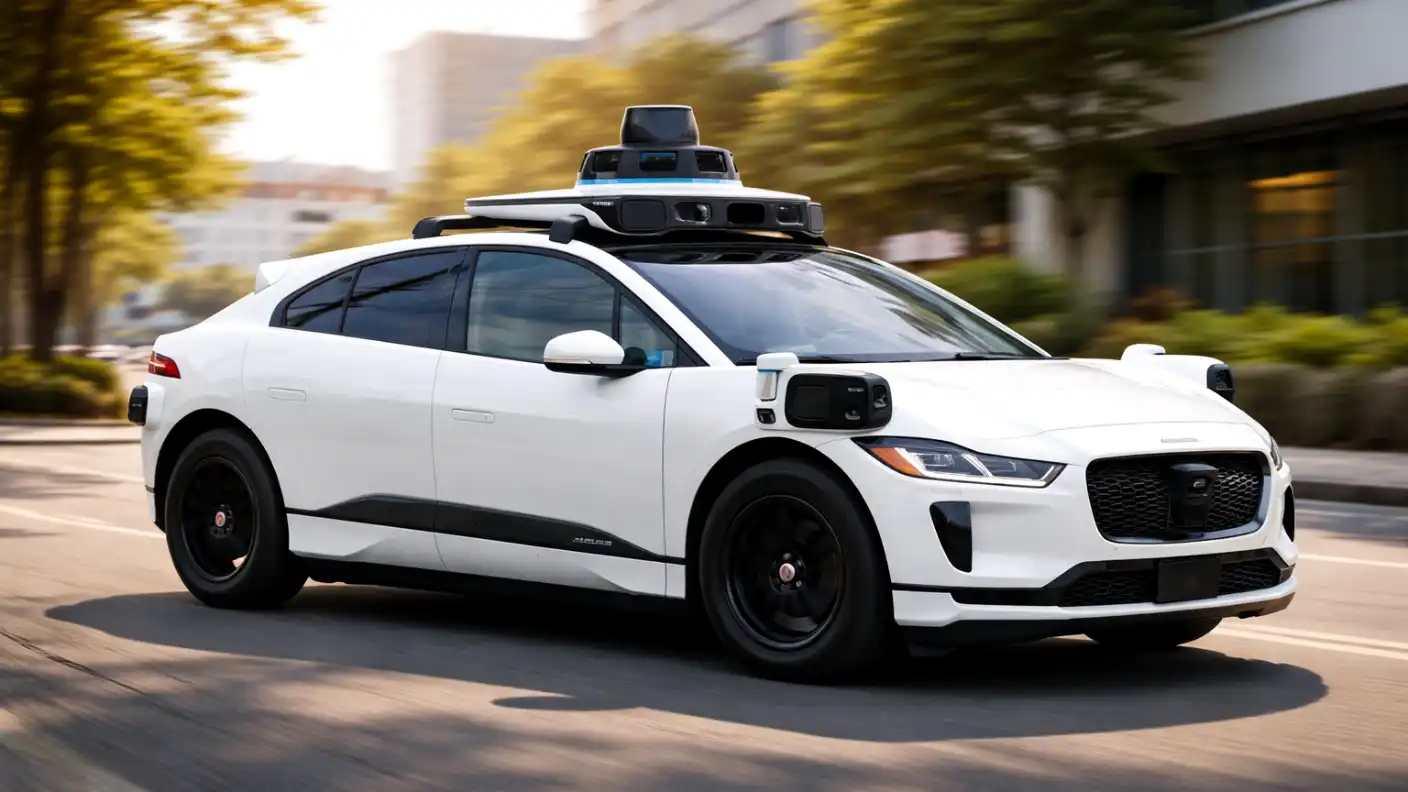
The concept of urban mobility is currently undergoing its most profound and rapid transformation since the mass production of the internal combustion engine. For generations, the fundamental relationship between human beings and the automobile was defined by the presence of a driver behind the steering wheel. Today, however, the global transportation landscape is standing on the precipice of a radical technological paradigm shift. The long-awaited promise of self-driving vehicles has transitioned from the realm of science fiction and isolated testing facilities into the very real, bustling streets of major metropolitan areas. While global superpowers in North America and Asia have previously dominated the headlines surrounding autonomous vehicle testing, the European continent is now making a monumental and definitive statement. Placing mobility and autonomous technology firmly back into the global spotlight, the historic city of Zagreb is set to become the first European city to launch a fully commercial robotaxi service.
This groundbreaking initiative represents much more than a localized technological experiment; it is a critical milestone for the entire European Union and the global transportation sector. The deployment of commercial robotaxis in the Croatian capital signifies a bold leap forward in overcoming the rigorous regulatory, infrastructural, and societal hurdles that have traditionally slowed the adoption of driverless technology in Europe. By integrating cutting-edge artificial intelligence, electric vehicle infrastructure, and smart city planning, this launch aims to redefine how citizens interact with their urban environments fundamentally. As the world watches this unprecedented European rollout, it is essential to understand the intricate layers of technology, economics, and policy that are converging to make this vision a reality. This comprehensive exploration delves deep into the global race for autonomous mobility, the strategic emergence of Zagreb as a technological hub, and the profound ripple effects this launch will have on the future of global transit.
The journey toward autonomous urban transit is a complex narrative of international competition and innovation. Understanding the broader global context is vital to appreciating the magnitude of the European endeavor.
The Global Race for Autonomous Mobility
The pursuit of fully autonomous vehicles has triggered a fierce, high-stakes technological race among the world’s leading economic powers. For years, the narrative surrounding self-driving cars was heavily concentrated in specific regions, driven primarily by massive venture capital investments and aggressive regulatory sandboxes. Companies poured billions of dollars into research and development, striving to be the first to crack the code of Level 5 autonomy—where a vehicle can navigate any environment without human intervention. This global race is not merely about national pride; it is a battle to capture a future market projected to be worth trillions of dollars, encompassing logistics, public transit, and personal mobility.
As the technology has matured, the geographical focal points of this innovation have begun to shift and diversify. The realization that autonomous mobility must adapt to diverse global environments has pushed companies to look beyond their traditional testing grounds.
Shifting from Silicon Valley to the Global Stage
Historically, the epicenters of autonomous vehicle development were heavily concentrated in the sun-drenched, wide-avenued cities of the American West Coast and the rapidly expanding technological megacities of China. Companies in Silicon Valley leveraged vast datasets and favorable local legislation to log millions of autonomous miles. Similarly, Chinese tech giants utilized aggressive state-backed infrastructure projects to deploy massive fleets of self-driving test vehicles. However, while these regions demonstrated that robotaxis could operate in highly controlled, grid-like urban layouts, the true test of autonomous viability lies in adaptability.
The global stage requires autonomous systems that can navigate complex, centuries-old urban infrastructure, unpredictable weather patterns, and highly varied pedestrian behaviors. This necessity has driven the expansion of testing and deployment into new territories. European cities, characterized by their intricate, winding streets, historic architecture, and a strong emphasis on integrating pedestrians and cyclists, present the ultimate testing ground for the adaptability of artificial intelligence in transit.
The introduction of robotaxis to the European market is a critical litmus test for the technology’s global viability. Europe’s unique approach to innovation, balancing rapid advancement with stringent consumer protection, sets a high bar for the industry.
The Significance of the European Market
The European Union is one of the most lucrative yet highly regulated consumer markets on the planet. Launching a commercial robotaxi service within this jurisdiction is a monumental achievement because it requires navigating a labyrinth of stringent safety standards, complex data privacy laws, and demanding environmental regulations. Europe has consistently prioritized the safety and privacy of its citizens over the rapid, unchecked deployment of experimental technology. Therefore, a successful commercial launch in Europe signals to the rest of the world that the technology has achieved a remarkable level of maturity, safety, and regulatory compliance.
Furthermore, European cities are actively seeking innovative solutions to combat severe urban congestion, reduce carbon emissions, and reclaim public spaces from private vehicles. The European market views robotaxis not merely as a technological novelty but as a crucial component of a broader, integrated, and sustainable public transportation ecosystem.
The selection of the launch city was a strategic decision that surprised some observers but makes perfect sense upon closer inspection of the region’s technological renaissance. The Croatian capital has quietly cultivated an environment primed for innovation.
Zagreb’s Pioneering Leap into the Future
When discussing the vanguard of European automotive innovation, traditional powerhouses like Germany, France, or Italy often spring to mind. However, the decision to launch the first European commercial robotaxi service in Zagreb highlights a fascinating shift in the continent’s technological center of gravity. Croatia, a nation with a relatively small traditional automotive manufacturing footprint, has dramatically positioned itself at the cutting edge of the electric and autonomous vehicle revolution. This leap is the result of visionary local entrepreneurship, strong governmental support for green initiatives, and a burgeoning ecosystem of high-tech engineering talent.
Zagreb’s transformation into a testing ground for the future of mobility is a testament to how rapidly emerging tech hubs can outpace established industrial centers by focusing entirely on next-generation paradigms.
Choosing the perfect city to debut a revolutionary transit service involves evaluating a multitude of geographic, political, and social factors. Zagreb offered a unique confluence of these essential elements.
Why the Croatian Capital?
Zagreb provides an ideal demographic and infrastructural canvas for the rollout of a commercial robotaxi fleet. The city is large enough to experience typical urban transit challenges—such as rush-hour congestion, complex intersections, and diverse weather conditions—yet compact enough to allow for the manageable mapping and deployment of localized autonomous zones. Furthermore, the local and national governments in Croatia have demonstrated an extraordinary willingness to collaborate with tech companies, streamlining the bureaucratic processes necessary to test and deploy driverless vehicles on public roads.
Additionally, the region’s cultural appetite for technology adoption is incredibly high. Citizens and local policymakers recognize the immense economic and reputational benefits of being the first European city to host such a service. This welcoming environment is crucial for gathering organic, real-world user data and fostering public acceptance of driverless technology.
The success of this monumental project relies entirely on the brilliance of the engineering minds operating behind the scenes. The local ecosystem has produced some of the most advanced automotive technology in the world.
The Technological Powerhouses Behind the Launch
The driving force behind Zagreb’s robotaxi revolution is deeply rooted in the local technological ecosystem, most notably spearheaded by the visionaries in the Croatian hypercar and electric technology sectors. Companies emerging from this region have already proven their ability to disrupt the global automotive industry by developing some of the fastest and most advanced electric vehicle powertrains and battery systems on the planet. By pivoting this immense engineering expertise toward autonomous mobility, these local technological powerhouses are uniquely equipped to design a robotaxi service from the ground up.
Rather than retrofitting existing consumer cars with autonomous sensors, the approach taken in Zagreb involves designing purpose-built vehicles. These vehicles are designed entirely around the passenger experience, removing traditional controls such as steering wheels and pedals to maximize cabin space and comfort.
The introduction of self-driving fleets is poised to alter the daily rhythms of urban life completely. The implications of this technology extend far beyond the simple act of moving from point A to point B.
How Commercial Robotaxis Are Redefining Urban Transit
The deployment of commercial robotaxis in a major European city is not just a technological upgrade; it is a fundamental redefinition of urban transit. For decades, personal car ownership has been the dominant mode of transportation, leading to sprawling parking lots, chronic traffic jams, and heavily polluted city centers. The robotaxi model challenges this paradigm by promoting “Mobility as a Service” (MaaS). In this model, transportation is consumed on demand, transforming the vehicle from a personal asset that sits idle for the majority of the day into a highly utilized, shared public resource.
This shift has the potential to seamlessly bridge the gaps in existing public transportation networks, providing equitable, efficient, and comfortable “last-mile” connectivity for urban residents.
One of the most immediate and tangible benefits of an autonomous fleet is its impact on city traffic flow. Artificial intelligence can optimize routing in ways human drivers simply cannot.
Enhancing Traffic Flow and Reducing Congestion
Human drivers are inherently prone to sudden braking, distracted driving, and suboptimal route selection, all of which contribute to the unpredictable nature of urban traffic congestion. Robotaxis, conversely, operate using highly sophisticated algorithms that constantly analyze real-time traffic data. These vehicles can communicate with one another and with smart city infrastructure to optimize speeds, reduce unnecessary stops, and maintain a smooth, continuous flow of traffic.
Furthermore, because robotaxis operate continuously and do not require parking near the passenger’s destination, the number of vehicles circling city blocks in search of parking—a major contributor to downtown congestion—will be drastically reduced. Cities can begin to repurpose massive parking structures and street-side parking spaces into green areas, wider pedestrian walkways, and dedicated bicycle lanes.
Beyond efficiency, the transition to autonomous fleets aligns perfectly with the urgent global mandate to combat climate change. The environmental benefits of this shift are a major driving force behind governmental support.
The Environmental and Sustainability Impact
The commercial robotaxi fleets launching in Europe are intrinsically linked to the continent’s aggressive environmental sustainability goals. These fleets are entirely electric, producing zero tailpipe emissions. When deployed at scale, electric robotaxis will significantly reduce the urban carbon footprint and drastically improve local air quality. Moreover, the efficiency of autonomous driving—characterized by smooth acceleration and optimized braking—maximizes battery life and reduces overall energy consumption compared to human-driven electric vehicles.
Additionally, the shift away from personal car ownership means fewer vehicles need to be manufactured overall to meet a city’s mobility needs. This reduction in the total number of vehicles manufactured results in a massive decrease in the industrial carbon emissions associated with automotive production, resource extraction, and eventual vehicle disposal.
The seamless operation of a vehicle without a human driver is a modern engineering marvel. Achieving this requires the flawless integration of numerous advanced hardware and software systems.
The Technology Powering the Autonomous Revolution
To safely navigate the chaotic environment of a European capital, a robotaxi must possess a perception and decision-making system that equals, and eventually surpasses, human cognitive abilities. The technology powering this autonomous revolution is a highly complex symphony of advanced sensors, immense computational power, and deeply trained artificial neural networks. The vehicles deployed in Zagreb utilize a multi-layered, redundant approach to ensure that a failure in one system is immediately compensated for by another, guaranteeing passenger safety under all conditions.
Understanding the specific technological components provides insight into why commercial deployment has taken years of meticulous development.
The “eyes” and “brain” of the autonomous vehicle are the most critical components of the entire system. A combination of distinct sensor technologies creates a comprehensive understanding of the vehicle’s surroundings.
Sensor Fusion, LiDAR, and Machine Learning
The cornerstone of robotaxi perception is sensor fusion. The vehicle is equipped with a diverse array of sensors, including high-definition cameras, radar, and LiDAR (Light Detection and Ranging). Cameras provide vital color and texture information, allowing the vehicle to read traffic signs and identify lane markings. Radar excels at determining the speed and distance of other objects, even through heavy rain or fog. LiDAR, however, is the crown jewel of autonomous perception; it uses rapidly pulsing lasers to create a highly accurate, real-time 3D topographical map of the vehicle’s environment, identifying pedestrians, cyclists, and obstacles with millimeter precision.
The raw data collected by these sensors is continuously fed into the vehicle’s onboard supercomputer. Here, advanced machine learning algorithms and deep neural networks process millions of data points per second. These AI systems have been trained on vast datasets of driving scenarios, allowing the vehicle to predict the future movements of surrounding objects and make split-second, safe driving decisions.
Operating in isolation is not enough; the true potential of autonomous transit is unlocked when the vehicle communicates directly with the city itself.
V2X Communication and Smart City Integration
A critical element of the European robotaxi strategy is Vehicle-to-Everything (V2X) communication. This technology allows the robotaxi to wirelessly communicate with other connected vehicles, pedestrians’ smartphones, and the city’s infrastructure. By connecting to smart traffic lights, the robotaxi knows exactly when a light will change before it is even visible, allowing the vehicle to adjust its speed to avoid stopping entirely.
V2X communication relies heavily on the deployment of high-speed, low-latency 5G cellular networks. This infrastructure ensures that the massive amounts of data required for fleet management, remote monitoring, and emergency intervention can be transmitted instantaneously, creating a cohesive, highly responsive urban transit ecosystem.
Despite the incredible technological advancements, the deployment of robotaxis is not merely an engineering challenge. The legal and social hurdles are equally complex and require careful navigation.
Navigating the Regulatory and Safety Landscape
The introduction of driverless vehicles onto public roads forces a profound reevaluation of existing legal frameworks and safety protocols. European regulators are notoriously meticulous, prioritizing public safety, data security, and clear liability structures. Launching a commercial service in Zagreb required unprecedented collaboration between the technology providers and Croatian transport authorities to establish a legal framework that accommodates vehicles without human operators.
This regulatory journey involves addressing questions of liability in the event of an accident, establishing minimum safety validation standards, and ensuring compliance with the European Union’s stringent General Data Protection Regulation (GDPR), given the massive amount of video data collected by the vehicles’ cameras.
The ultimate success of the robotaxi industry hinges on the willingness of everyday citizens to surrender control to a machine. Building this trust is a monumental psychological undertaking.
Building Public Trust in Driverless Tech
For over a century, the act of driving has been associated with human control, freedom, and responsibility. Convincing the public to step into a vehicle with no steering wheel and trust an algorithm with their lives requires transparent communication and flawless execution. The launch strategy in Zagreb heavily emphasizes community engagement, offering public demonstrations, transparent safety reports, and highly responsive customer service to ease the psychological transition.
To foster this vital public trust, the robotaxi operators are implementing several key features and strategies:
- The inclusion of an emergency stop button within the cabin that allows passengers to safely halt the vehicle at any time.
- A direct, two-way audio and video communication link to a remote human oversight center, ensuring passengers never feel entirely alone in an emergency.
- Designing the vehicle’s exterior lighting and audio cues to explicitly communicate the robotaxi’s intentions to human pedestrians and cyclists.
- Maintaining a flawless initial safety record by operating at conservative speeds and strictly adhering to all local traffic laws.
Creating the rules of the road for artificial intelligence requires lawmakers to anticipate future scenarios while managing present realities.
Crafting the Legal Frameworks for Tomorrow
The commercial launch in Zagreb serves as a vital case study for the entire European Union regarding the formulation of autonomous vehicle legislation. International treaties, such as the Vienna Convention on Road Traffic, have had to be reinterpreted and amended to legally recognize software as a valid vehicle operator. Lawmakers are currently focused on establishing unified homologation standards, meaning that a robotaxi certified as safe in Croatia can eventually operate legally across all EU member states. This harmonization of legal frameworks is absolutely essential for the cross-border scaling of the autonomous mobility industry.
The transition toward autonomous mobility will inevitably disrupt established industries, but it also promises to generate entirely new economic paradigms. The financial impacts of this launch will be felt far beyond the transportation sector.
The Economic Ripple Effects of the Robotaxi Industry
The commercialization of robotaxis is poised to generate profound economic shifts. Whenever a transformative technology automates a widespread human task, the economic ripples alter labor markets, real estate values, and consumer spending habits. The launch in Zagreb is stimulating the local economy through massive direct investments in infrastructure, technology development, and operational facilities. However, looking at the broader, long-term global picture, the economic impact of autonomous mobility presents both extraordinary opportunities and complex socioeconomic challenges.
As the cost per mile of transportation plummets due to the removal of the human driver, mobility will become significantly more accessible to lower-income demographics, the elderly, and individuals with disabilities, fundamentally boosting overall economic participation.
The automation of driving inevitably raises concerns regarding the future of employment for millions of professional drivers worldwide. However, history shows that technological revolutions often create more jobs than they destroy.
Job Creation Versus Automation Fears
The transition to autonomous mobility will undeniably disrupt the traditional livelihoods of taxi drivers, ride-share operators, and commercial delivery personnel. Addressing this workforce transition through retraining programs and social safety nets is a critical responsibility for governments worldwide. Conversely, the robotaxi industry is simultaneously creating a vast array of highly skilled, well-paying jobs. The ecosystem requires thousands of software engineers, AI ethicists, sensor calibration technicians, remote fleet operators, and specialized vehicle maintenance crews.
The shift represents a transition from labor-intensive, repetitive tasks toward roles that require advanced technical management and complex problem-solving.
The presence of a cutting-edge technological hub injects vitality into the surrounding region. The host city benefits immensely from the influx of capital and talent.
Revitalizing the Local and Regional Economy
By hosting the first European robotaxi launch, Zagreb is elevating its status on the global economic stage. This pioneering move attracts international venture capital, foreign direct investment, and global technological talent to the region. The development of the necessary operational hubs, charging depots, and data centers provides a massive boost to the local construction and real estate sectors. Furthermore, the city becomes a prime destination for “techno-tourism,” drawing industry professionals, urban planners, and enthusiasts from around the world who wish to experience the future of mobility firsthand, thereby boosting the local hospitality and service industries.
The events unfolding in Croatia are not happening in isolation. The success of this launch will serve as a definitive blueprint for urban planners and tech giants across the globe.
What Zagreb’s Success Means for the Rest of the World
The launch of a commercial robotaxi service in Zagreb is a watershed moment that the entire global transportation industry is scrutinizing. If this rollout successfully navigates the complex European regulatory environment, achieves high levels of public safety, and demonstrates a viable, profitable business model, it will trigger a massive acceleration in the deployment of autonomous fleets worldwide. It proves that the technology is no longer confined to the sunbelt of the United States or the designated tech zones of Asia, but is robust and adaptable enough for the diverse, historic, and highly regulated cities of Europe.
Cities around the globe will look to the Zagreb model to understand how to integrate autonomous vehicles with existing public transit, how to design equitable pricing structures, and how to manage the transition of the local workforce. This launch effectively demystifies the commercialization of Level 5 autonomy, transitioning it from a theoretical future concept into a tangible, scalable modern utility. It forces global municipalities to accelerate their own smart city infrastructure upgrades or risk being left behind in the new era of autonomous economic efficiency.
Conclusion
The dawn of commercial autonomous mobility in Europe marks one of the most exciting and consequential milestones in the history of transportation. As Zagreb steps into the global spotlight to host the first European commercial robotaxi service, it carries the weight of a technological revolution that promises to fundamentally reshape our urban environments. By conquering the immense technological challenges of sensor fusion and artificial intelligence, and successfully navigating the rigorous safety and regulatory landscapes of the European Union, this initiative proves that a safer, cleaner, and more efficient future of transit is finally within our grasp.
The transition away from human-driven, carbon-emitting personal vehicles toward shared, autonomous, and electric fleets will undoubtedly face ongoing challenges, from public skepticism to legislative adjustments. However, the bold steps being taken today in the Croatian capital serve as a powerful catalyst for global change. As robotaxis begin to seamlessly weave through the historic streets of Zagreb, they are not just transporting passengers; they are carrying the world into an unprecedented era of intelligent, sustainable, and universally accessible global mobility.