

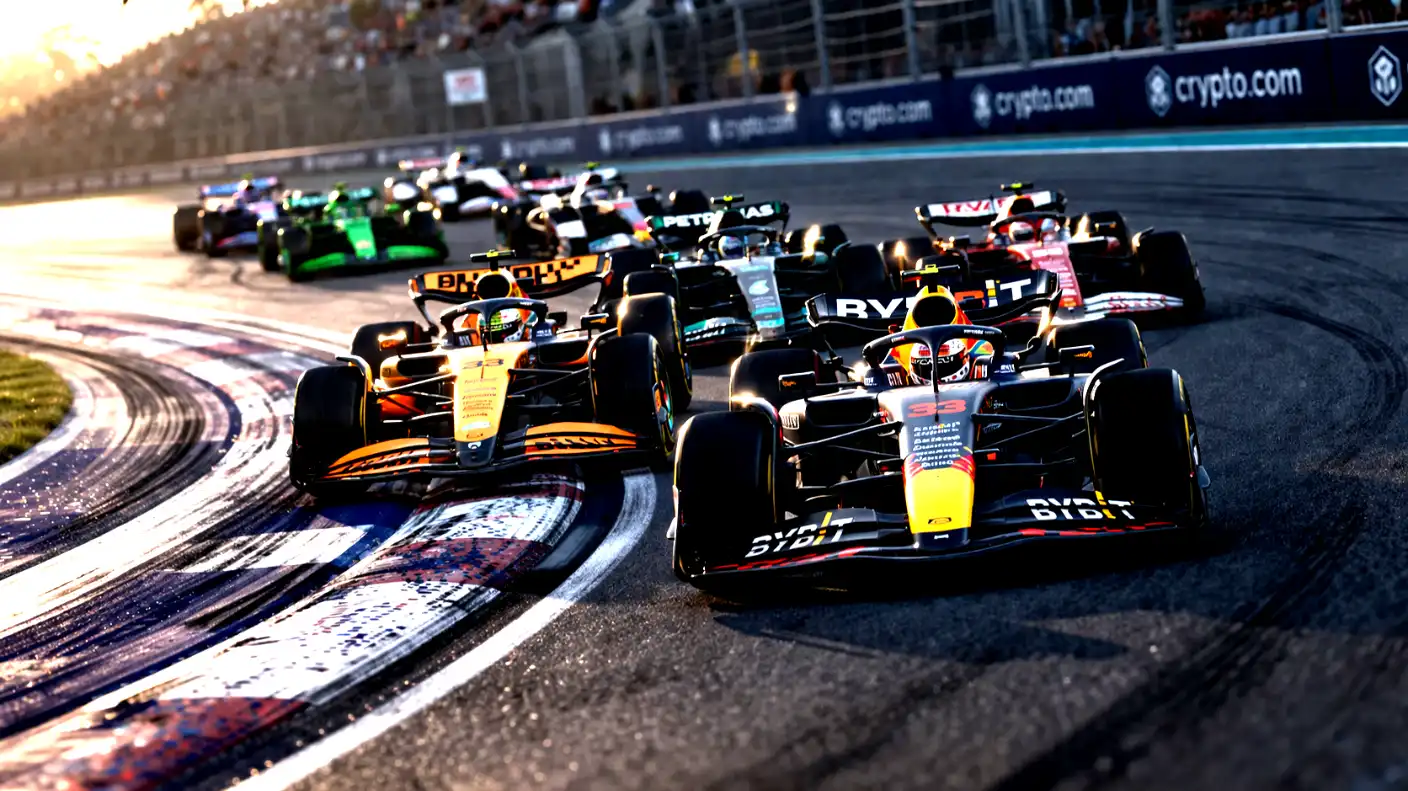
Formula 1 kicks off a massive transformation this year. The 2026 racing season introduces some of the biggest rule changes the sport has ever seen. Racing executives tore up the old rulebook and wrote a completely new one for the engines. These massive changes convinced giant car companies like Audi and Ford to join the grid. Over 500 million fans around the world watch this sport, and they are about to see a completely different type of racing.
The biggest changes happen right behind the driver. The new engines still use a V6 turbo design, but they rely much more on electric power. Engineers increased the electric battery output by nearly 300 percent. Now, the electric motor produces exactly 50 percent of the total horsepower. The sport also ditched regular gas completely. The cars now burn 100 percent sustainable fuel. Formula 1 bosses want to achieve a zero-carbon footprint by the year 2030, and this new fuel takes a huge step toward that ambitious goal.
These green technology rules caught the attention of major auto brands. Audi officially enters the sport this year after buying the Sauber racing team. The German company spent over $600 million to take full control of the Swiss racing outfit. Audi executives hired top engineers and built a brand new engine factory in Germany just for this project. They want to prove their electric technology works under the most extreme conditions on the planet.
Ford also makes a huge comeback to Formula 1 in 2026. The American car giant left the sport exactly 22 years ago, but the new rules brought them back to the track. Ford signed a massive partnership deal with Red Bull Racing. Red Bull currently builds its own engines, but Ford provides the electric battery technology and software. Ford executives know that winning races on Sunday helps sell electric cars on Monday. They plan to use the racing data to improve the batteries in their everyday consumer vehicles.
Adding Audi and Ford brings the total number of engine suppliers up to six. Honda and Renault also remain in the fight, creating incredible competition for established teams like Ferrari and Mercedes. Building a new engine from scratch costs a lot of money, but the sport protects teams with strict financial rules. The governing body enforces a strict $135 million budget cap for every team on the grid. This spending limit stops rich teams from buying their way to the championship and gives smaller teams a real chance to fight for wins.
The physical cars look and handle differently this year, too. Engineers managed to shrink the cars to make them more agile on tight city tracks. The new designs cut exactly 30 kilograms of weight from the chassis. The cars also feature new aerodynamic wings that help drivers follow each other closely without sliding around. Drivers complained for years that heavy cars ruined the racing action. These lighter, smaller machines fix those old problems and allow drivers to pull off thrilling overtakes at speeds over 200 miles per hour.
The 2026 season represents a massive gamble for Formula 1. The sport risks upsetting older fans who love loud, gas-guzzling engines. However, the move toward sustainable technology guarantees the sport will survive for decades to come. Ticket prices already reflect the high demand, with average grandstand seats selling for $450 a weekend. With new cars, green fuel, and legendary brands like Audi and Ford fighting for the trophy, the grid looks stronger than ever. Fans simply cannot wait for the red lights to go out at the first race.















