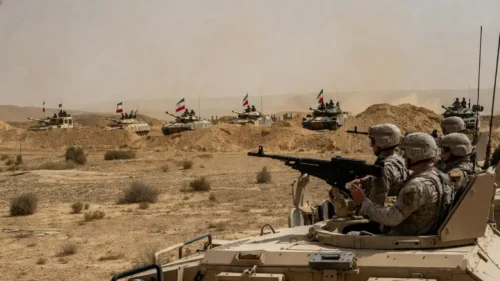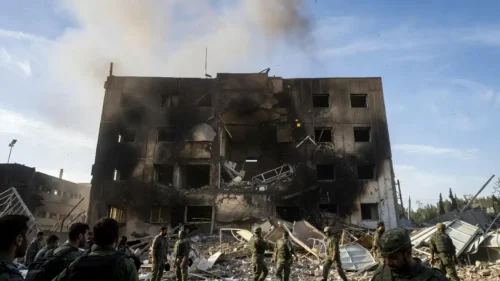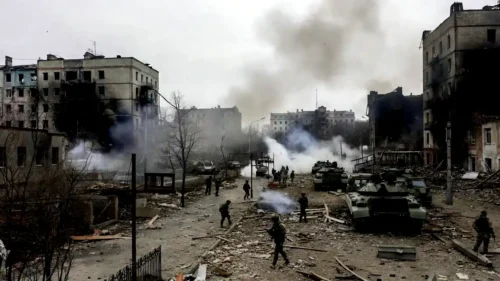

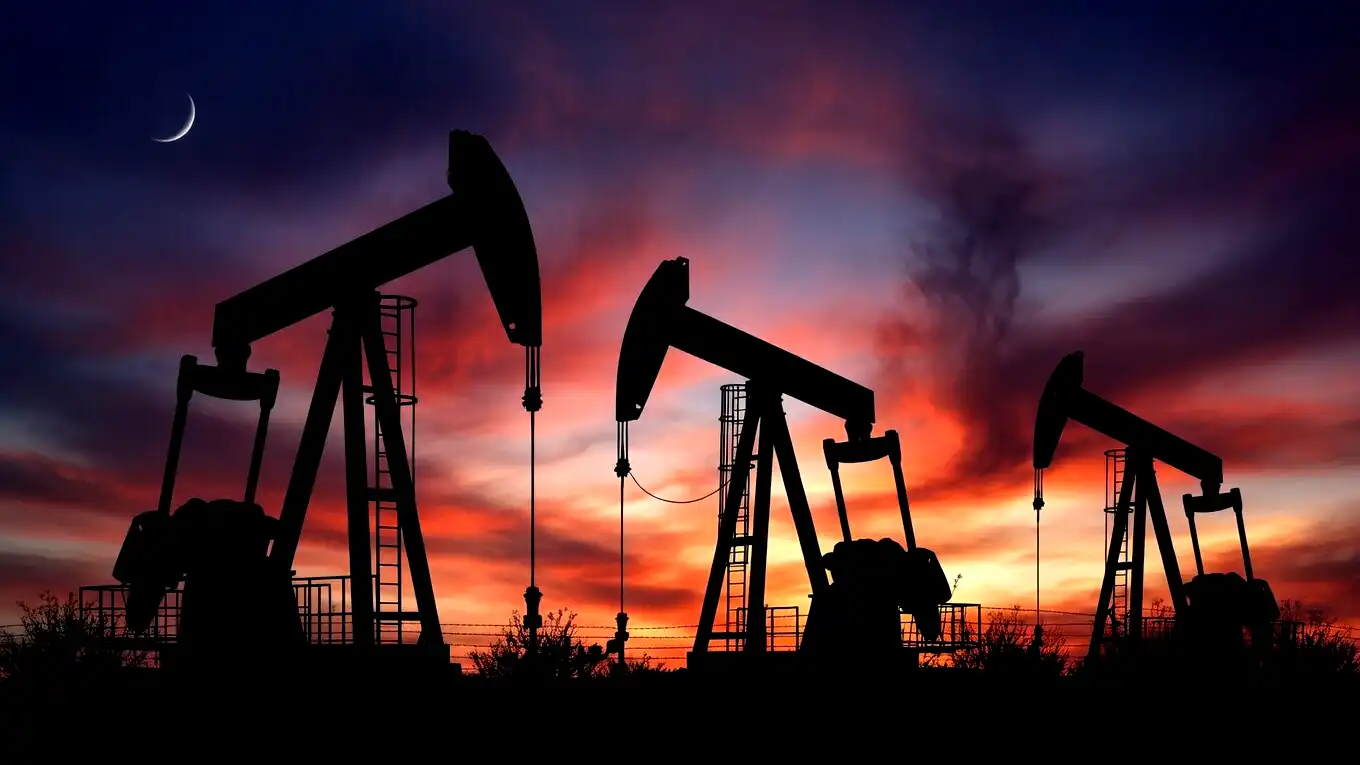
Oil prices jumped again after a highly chaotic trading session. The ongoing war in the Middle East continues to block massive shipments of crude oil from passing through the Strait of Hormuz. International Brent crude quickly climbed back above $100 a barrel today. Just one day earlier, prices had crashed by 11% when US President Donald Trump announced a sudden five-day delay on his threat to bomb Iranian energy sites. Trump claimed his administration was negotiating a peace deal with Tehran, but Iranian officials immediately denied that those talks existed. Meanwhile, the US West Texas Intermediate crude benchmark advanced around 3% as the fighting between the US-Israeli alliance and Iran raged on.
The market calmed down slightly after Chinese Foreign Minister Wang Yi publicly urged all sides to start peace talks immediately. However, neighboring Gulf Arab countries are currently weighing their military options. Insiders report these nations might actually join the US-Israeli war effort against Iran. They will only enter the fight if Tehran attacks their vital power grids and water plants. Right now, Iran shows no signs of backing down. The Iranian government even began imposing high transit fees on commercial vessels attempting to transit the Strait of Hormuz. For many shipping companies, these surprise fees add over $5,000 to their daily operational costs, proving that Tehran firmly controls the crucial waterway.
Financial experts warn that political statements carry little weight while the physical ships remain stuck. Analysts from RBC Capital Markets noted that the powerful Islamic Revolutionary Guard Corps controls the strait and shows absolutely zero mood to settle the conflict. The numbers paint a grim picture for consumers. Brent crude has skyrocketed nearly 40% just this month. Because the war completely choked off the main transit route, Middle Eastern producers had to cut millions of barrels from their daily output.
The crisis hits refined petroleum products like diesel and jet fuel even harder than raw crude oil. The sudden shortage is squeezing everyday consumers and panicking governments around the world. In South America, the Chilean government plans to raise local fuel prices by nearly half. Over in Asia, Japan ordered an emergency review of its entire oil supply chain. Japanese officials also reached out to market traders to discuss a possible direct intervention in crude oil futures, hoping to prevent a sudden 2.4% daily spike in inflation.
Other countries are taking drastic steps to survive the energy crunch. Thailand aggressively raised its diesel prices at the pump. China’s largest oil refiner announced it will stop exports and prioritize local fuel supplies to keep the country running. The situation looks incredibly dire in the Philippines, where government officials warned that a severe jet fuel shortage creates a distinct possibility they will have to ground commercial airplanes entirely. Speaking at a major energy conference in Houston, Shell Chief Executive Officer Wael Sawan predicted that this massive physical supply disruption will inevitably spread from Asia directly into Europe by next month.
The volatile market directly reflects the unpredictable messaging coming from the White House. Just this past weekend, Trump threatened to bomb Iran’s energy infrastructure if the country did not fully open the Strait of Hormuz within 48 hours. Diplomats familiar with the situation say Trump paused the military strikes specifically to manage the surging global oil prices. Trump admitted this connection on Monday, promising voters that oil prices will drop like a rock as soon as he finishes a peace deal.
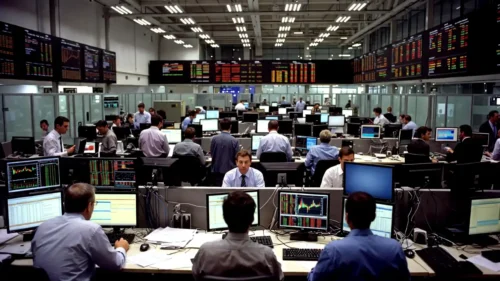
These constant shifts in political messaging leave market investors completely exhausted. Traders have to sort through a nonstop stream of contradictory headlines every single day. This confusion heavily dampens trading volumes. In fact, four of the six largest price swings in the history of Brent futures have occurred since this conflict started. Goldman Sachs experts warn that if the shock lasts much longer, the extreme supply tightness will ravage the global economy. Eventually, the high prices will simply destroy consumer demand as people run out of money to buy fuel.