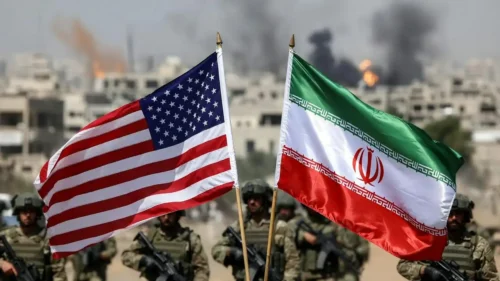

The Middle East has crossed the Rubicon. As of March 2026, the world is witnessing the devastating realization of its most profound geopolitical nightmare: a full-scale, multifaceted war engulfing the United States, Israel, the Islamic Republic of Iran, and increasingly, the Kingdom of Saudi Arabia. For decades, military strategists and diplomatic scholars debated the theoretical thresholds that would ignite a direct conflict between Washington and Tehran. The prevailing assumption was always that the United States, acting as the global hegemon, would unilaterally dictate the timing and scope of any such engagement. However, the current crisis reveals a far more complex and troubling reality regarding the mechanics of modern alliances. The United States has not boldly led the charge into this devastating new theater of war; rather, it has been systematically maneuvered, leveraged, and ultimately forced into the conflict by the uncompromising strategic imperatives of its closest regional partners, primarily Israel and, paradoxically, Saudi Arabia.
The intricate web of security guarantees, proxy provocations, and the sudden, explosive initiation of hostilities by allied nations has completely stripped Washington of its strategic autonomy. The ongoing war, officially ignited on February 28, 2026, was not the result of a calculated American grand strategy, but rather the inevitable consequence of a regional security architecture designed to mandate American intervention when allied survival is perceived to be at stake. As we dissect the catastrophic events of early 2026, a stark narrative emerges. We are witnessing the terrifying power of regional actors to forcefully dictate the foreign policy and military deployments of a global superpower. Through a combination of aggressive preemptive military action by Israel and the inescapable geographic and diplomatic vulnerabilities of Saudi Arabia, the United States has been dragged into a devastating Middle Eastern quagmire that will inevitably reshape the global order for generations to come.
The Catalyst: The February 28 Escalation
The delicate illusion of deterrence in the Middle East was permanently shattered in the final days of February 2026. The outbreak of open warfare fundamentally altered the balance of power and instantly dissolved any remaining hopes for a negotiated, diplomatic settlement regarding Iran’s regional ambitions.
Israel’s Pre-emptive Calculus and the Decapitation Strike
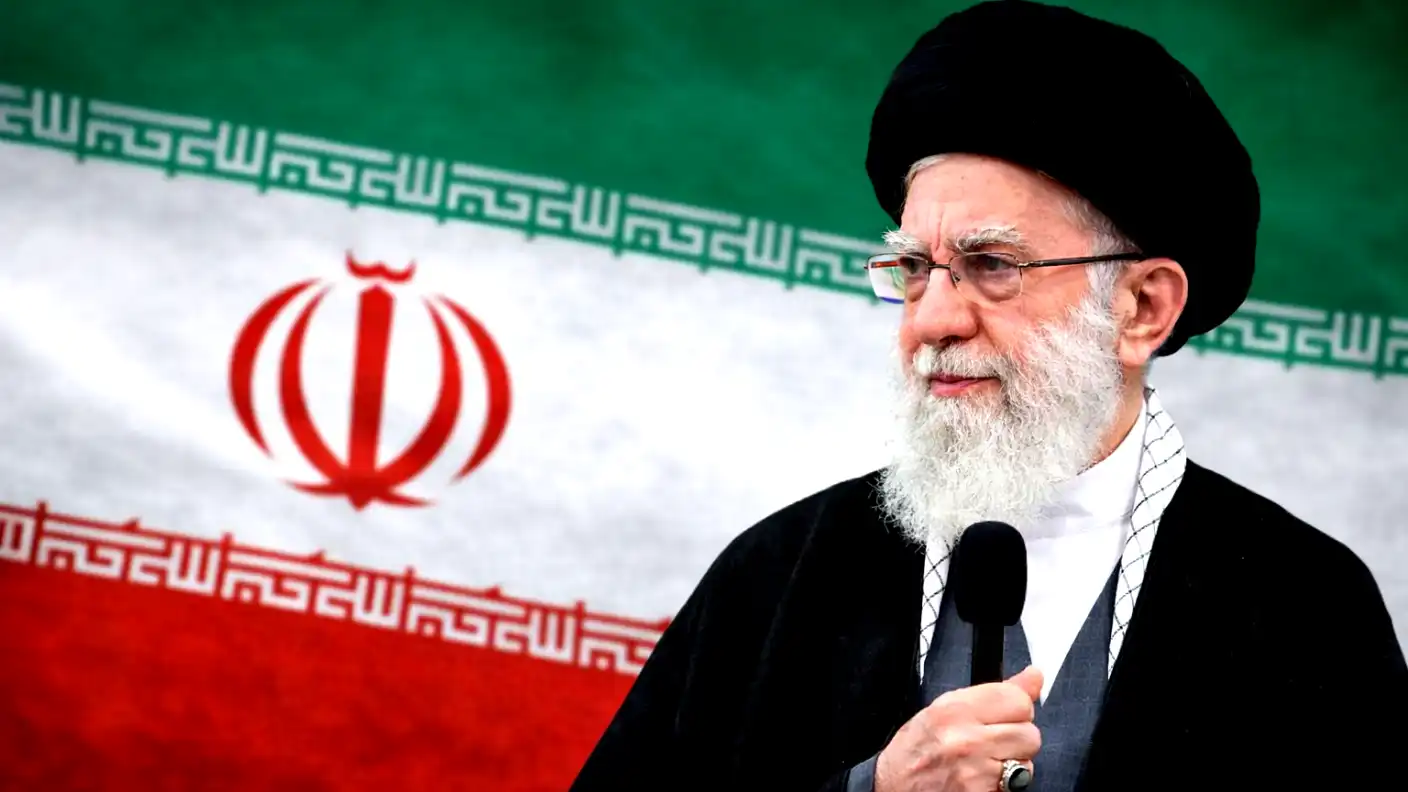
The current conflict was officially initiated on February 28, 2026, when Israel, acting in close but highly controversial coordination with United States Central Command, launched an unprecedented and overwhelming wave of preemptive military strikes deep into Iranian territory. This was not a limited, surgical operation designed merely to send a diplomatic message or degrade isolated nuclear facilities; it was a massive, regime-threatening decapitation strike. The bombardment aggressively targeted Iran’s heavily fortified underground missile infrastructure, massive oil depots located in the heart of Tehran, and most shockingly, the uppermost echelons of the Iranian leadership. The successful assassination of the country’s Supreme Leader during the initial wave of bombings sent unprecedented shockwaves across the globe, instantly elevating the crisis from a regional dispute to an existential, no-holds-barred war of survival for the Islamic Republic.
Israeli Defence Minister Israel Katz rapidly mobilized the nation’s domestic and international public relations apparatus to justify the staggering scale of the offensive. Katz described the massive initial operation strictly as a necessary “pre-emptive strike” explicitly intended to permanently “remove threats” to the existence of the State of Israel. From the Israeli perspective, the intelligence community had allegedly identified an imminent, catastrophic threat emanating from Iranian missile forces, necessitating immediate and overwhelmingly disproportionate kinetic action. By executing the decapitation strike, Israel effectively forced the hand of the United States. Given the ironclad, historically unprecedented nature of the U.S.-Israel security relationship, Washington had no viable political or military choice but to immediately transition its forces in the region from a defensive posture to active combat support, providing vital mid-air refueling, advanced satellite intelligence, and electronic warfare suppression to ensure the survival of Israeli strike packages.
Expanding the Frontlines to Lebanon
The initiation of hostilities against the Iranian mainland immediately triggered the activation of Iran’s vast, highly coordinated “Axis of Resistance.” Foremost among these regional proxy forces is Hezbollah, situated squarely on Israel’s volatile northern border in Lebanon.
The military coordination between the allied forces has focused on crippling the adversary’s capacity to wage prolonged asymmetric warfare. Planners have systematically identified and engaged targets that represent the core of the Iranian military apparatus.
- Command and Control Centers: Bunkers housing the Islamic Revolutionary Guard Corps (IRGC) leadership were systematically dismantled using advanced, deep-penetrating munitions.
- Strategic Energy Reserves: Massive oil depots situated within and around Tehran were deliberately targeted to instantly paralyze the Iranian domestic economy and military supply chains.
- Ballistic Missile Silos: Preemptive strikes targeted known launch sites across the Zagros Mountains to mitigate the inevitable retaliatory barrages directed at Tel Aviv and Jerusalem.
Recognizing the immediate, existential threat posed by Hezbollah’s massive arsenal of precision-guided munitions, the Israeli military apparatus has rapidly escalated its rhetoric regarding the northern front. Israel’s official stance currently maintains that absolutely all military options remain “on the table.” This explicitly includes the high probability of devastating, full-scale ground operations deep into sovereign Lebanese territory to neutralize deeply entrenched Iranian proxy forces. This terrifying expansion of the battlefield further entrenches the United States in the conflict. Washington is now forced to rapidly surge massive quantities of critical munitions, including Iron Dome interceptors and Patriot missiles, to the Levant to prevent the total overwhelm of Israeli population centers, thereby solidifying America’s role as a primary, indispensable combatant in a war it did not initially choose to start.
The Saudi Paradox: The Reluctant Belligerent
While Israel’s role in forcing the United States into the conflict was characterized by aggressive, unilateral military initiation, Saudi Arabia’s path to war was defined by a desperate, ultimately failed attempt to escape the very geopolitical gravity it had helped create.
Years of Diplomatic Neutrality
Contrary to the popular, oversimplified narrative of Gulf states eagerly “forcing” or begging the United States to initiate a catastrophic war with Tehran, Saudi Arabia and other key Gulf Cooperation Council (GCC) states actually spent the preceding years frantically attempting to broker a lasting diplomatic solution. Recognizing the immense vulnerability of their own massive, highly concentrated energy infrastructure to Iranian asymmetric warfare, Riyadh initially issued severe, high-level warnings against any American or Israeli military campaigns. Crown Prince Mohammed bin Salman’s ambitious “Vision 2030” economic diversification plan fundamentally required absolute regional stability; a regional war was viewed as the ultimate threat to the Kingdom’s economic future.
Before the Israeli-initiated strikes began on February 28, Saudi Arabia boldly and publicly stated it would absolutely not allow the United States military to use its sovereign territory or airspace to launch offensive airstrikes against Iran. In a stark, unprecedented declaration of diplomatic independence from Washington, Riyadh explicitly proclaimed, “our ground will not be your battlefield.” This desperate policy of strict neutrality was intended to shield the Kingdom from the inevitable Iranian wrath. Saudi leadership fundamentally understood that in the event of an American-Iranian war, the glass towers of Riyadh and the massive desalination plants of the Eastern Province would instantly become the most accessible and devastating targets for the IRGC’s vast drone and missile forces.
The Inevitable Gravity of Retaliation
Despite Riyadh’s frantic diplomatic maneuvering and strict declarations of non-involvement, the brutal geographic and strategic realities of the Middle East rendered their attempted neutrality completely impossible. When Israel and the U.S. launched their massive assault, Iran’s strategic calculus demanded immediate, spectacular retaliation to project strength and deter further decapitation strikes.
The diplomatic maneuvering leading up to the conflict reveals a complex web of contradictory national interests. Observers can identify several distinct phases of the failed negotiation process that preceded the violence.
- The De-escalation Phase (2023-2025): Saudi Arabia actively engaged in Chinese-brokered diplomatic normalization with Iran, exchanging ambassadors and attempting to cool proxy conflicts in Yemen.
- The Denial of Airspace: Riyadh officially communicated to Washington that U.S. bases on Saudi soil could only be used for strict defensive purposes, severely complicating Pentagon strike logistics.
- The Forced Entry: Following the February 28 decapitation strike, Iran disregarded Saudi neutrality, viewing any nation hosting U.S. military personnel as a legitimate, highly valuable target.
Saudi Arabia was violently pulled into the heart of the conflict when Iran decided to systematically retaliate against the U.S.-Israeli assault by launching massive, coordinated swarm attacks. Utilizing advanced loitering munitions and hypersonic ballistic missiles, the IRGC directly targeted Riyadh and the Kingdom’s vital eastern regions, effectively forcing Saudi Arabia to actively defend its airspace alongside American forces. The turning point for Saudi diplomatic rhetoric occurred following a brazen, highly destructive Iranian drone attack explicitly targeting the sprawling U.S. embassy complex within Riyadh. Forced into a corner by Iranian aggression and the absolute necessity of American air defense umbrellas, Saudi officials aggressively shifted their tone. They publicly and vehemently condemned the “continued threats” posed by the desperate Iranian regime to global and regional stability, effectively abandoning their neutral stance and entering the conflict as a defensive, targeted party fully reliant on the U.S. military.
The Unspoken Alliance: Forging Ties Under Fire
One of the most profound and permanent geopolitical transformations resulting from the March 2026 conflict is the rapid, forced restructuring of diplomatic alliances across the Middle East. The sheer necessity of basic survival has accelerated historical trends at an unprecedented, dizzying pace.
The Enemy of My Enemy
For decades, the concept of a formal, open military alliance between the Kingdom of Saudi Arabia and the State of Israel was considered politically impossible, heavily constrained by the enduring complexities of the Palestinian question and deep-seated religious divides. However, the existential threat posed by a fully mobilized, enraged Iranian military apparatus has fundamentally rewritten the rules of Middle Eastern diplomacy overnight. As Iranian missiles rain down on both Tel Aviv and Riyadh simultaneously, the two nations find themselves sharing a remarkably identical threat vector. The necessity of integrated, region-wide early warning radar systems and coordinated air and missile defense networks has forcefully pushed the Gulf states into an unprecedented, albeit initially unofficial, tactical alliance with the Israeli Defense Forces.
Gulf states like Saudi Arabia now find themselves operating on the absolute verge of a formal, historic alliance with Israel—a country with which they still officially have no formal diplomatic ties. American military commanders at CENTCOM are actively serving as the critical, real-time intermediary, instantly passing vital telemetry data from advanced Israeli long-range radar installations directly to Saudi Patriot missile batteries to intercept incoming Iranian salvos. This forced integration of defense architectures is achieving what decades of delicate State Department diplomacy could not: the complete binding of Israeli and Saudi security interests. By structurally linking their survival against a common enemy, both nations have inadvertently ensured that the United States cannot possibly abandon one without severely compromising the survival of the other, further cementing Washington’s total, inescapable entrapment in the ongoing regional war.
The Architecture of the Defensive Shield
The operational reality of defending against massive, multi-directional drone and missile swarms requires an unprecedented level of real-time intelligence sharing. The technological integration forced by this conflict has fundamentally altered the military landscape.
The geopolitical ramifications of this forced alliance will reshape the diplomatic architecture of the Middle East for generations. Historians will likely view this period as the definitive end of the post-Cold War regional order.
- Integrated Air Defense (IAD): The U.S. has successfully woven together Israeli Arrow-3 interceptor data with Saudi THAAD batteries, creating a singular, unified defensive shield across the Arabian Peninsula.
- Intelligence Fusion Centers: Covert, joint operational command centers have been rapidly established, where American, Israeli, and Gulf military intelligence officers coordinate real-time responses to IRGC movements.
- The Death of the Arab Boycott: The immediate, existential necessity of Israeli defensive technology has effectively ended any remaining practical enforcement of the historic economic and military boycotts against Israel by participating Gulf states.
The Economic Shockwaves of the Middle East War
The consequences of the March 2026 conflict are not confined to the geographic borders of the Middle East. The initiation of full-scale warfare in the heart of the world’s most critical energy-producing region has unleashed unprecedented, catastrophic economic shockwaves across the entire globe, fundamentally threatening the stability of the international financial system.
The Global Oil Crisis and the Strait of Hormuz
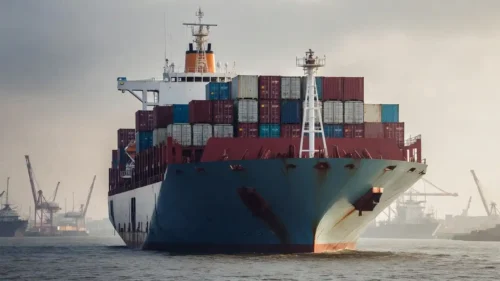
The immediate, most devastating impact of the U.S.-Israeli strikes and the subsequent Iranian retaliation has been the violent destabilization of global energy markets. When Israeli bunker-busters annihilated the massive oil depots situated in Tehran on February 28, it signaled to the global markets that energy infrastructure was no longer considered off-limits in this conflict. In desperate retaliation, the Iranian military immediately escalated their asymmetric naval operations, heavily mining the critical Strait of Hormuz and launching relentless, precision anti-ship missile strikes against international commercial tankers desperately attempting to flee the Persian Gulf. Approximately 20 percent of the world’s total crude oil supply historically passes through this narrow maritime chokepoint, and its sudden closure has triggered an apocalyptic spike in global energy prices.
Within days of the initial conflict, the price of Brent crude completely shattered historic records, sending advanced economies into immediate, deep panic. The United States, despite its vast domestic shale reserves, has not been immune to the global pricing contagion, experiencing crippling surges in domestic gasoline prices that are violently destabilizing the domestic political landscape. Furthermore, the massive disruption has forced energy-starved manufacturing powerhouses, particularly in Europe and East Asia, to violently curtail industrial production. The sheer economic gravity of this energy crisis has effectively forced the United States military to divert massive naval resources away from the critical Indo-Pacific theater and back into the Persian Gulf, desperately attempting to forcefully reopen the sea lanes and protect what remains of the battered Saudi and Emirati oil export infrastructure.
Supply Chain Fragmentation and Market Panic
The sudden eruption of war has completely severed numerous critical logistical arteries that sustain the highly optimized modern global economy. The economic fallout extends far beyond the immediate price of crude oil at the pump.
The devastating economic shockwaves are already disrupting global supply chains and causing unprecedented market volatility. Financial analysts are closely monitoring specific sectors that are most vulnerable to the ongoing regional instability.
- Aviation and Air Freight: The total closure of Middle Eastern airspace to commercial traffic has forced international airlines and cargo carriers to completely reroute global logistics networks, adding immense time and astronomical fuel costs to global supply chains.
- Insurance Market Collapse: Maritime insurance premiums for any vessel operating within a thousand miles of the Arabian Peninsula have skyrocketed to entirely unsustainable levels, effectively halting the movement of basic consumer goods and crucial agricultural commodities through the region.
- Capital Flight: Global investors, terrified by the prospect of a prolonged, devastating regional war involving the United States, have initiated massive sell-offs in emerging markets, seeking desperate refuge in traditional safe-haven assets like gold and U.S. Treasury bonds.
The Iranian Perspective: “Imposed War” and the Doctrine of Retaliation
To fully understand the terrifying, escalatory dynamics of the March 2026 conflict, it is absolutely crucial to analyze the strategic doctrine and legal justifications aggressively promoted by the leadership of the Islamic Republic of Iran.
The Claim of Self-Defense
Following the devastating, highly unprecedented decapitation strike that claimed the life of their Supreme Leader, the surviving echelons of the Iranian government immediately transitioned onto a war footing. From the official perspective of Tehran, the massive Israeli-U.S. assault on February 28 was an unprovoked, illegal act of supreme international aggression designed explicitly to annihilate their sovereign state. Consequently, Iran passionately and repeatedly claims that its subsequent, massive retaliatory drone and missile attacks on U.S. military bases and allied regional targets constitute a purely “legal act of self-defence” as outlined under Article 51 of the United Nations Charter.
The Iranian state media apparatus has fiercely rallied the domestic population, continuously framing the ongoing conflict as an unjust, brutal war maliciously “imposed” upon them by the imperialist ambitions of the United States and the existential malice of the “Zionist entity.” This deeply entrenched narrative of victimization and righteous, holy defense is absolutely critical for the regime’s domestic survival, allowing the deeply unpopular government to violently suppress internal political dissent and forcefully mobilize massive segments of the population for a total, uncompromising war effort. By framing the conflict in strict, uncompromising terms of national survival against foreign annihilation, Iran has completely eliminated any internal political space for diplomatic compromise or strategic surrender, effectively guaranteeing a prolonged, exceptionally bloody war of attrition that will severely bleed American military resources for years to come.
Targeting U.S. Interests in the Gulf
Operating under this fierce doctrine of total self-defense, the Iranian military strategy has heavily focused on maximizing the severe political and human cost for the United States. Recognizing they cannot win a conventional, symmetrical war against American air superiority, Iran has fully embraced extreme asymmetric warfare.
The strategic targeting calculus of the IRGC is designed to exploit the inherent vulnerabilities of forward-deployed American forces. The Iranian military apparatus utilizes its vast missile arsenal to systematically apply unbearable pressure on Washington’s strategic presence.
- Overwhelming Base Defenses: Iran has launched massive, highly coordinated swarms of cheap, expendable suicide drones specifically designed to rapidly deplete the highly expensive, deeply limited stockpiles of U.S. Patriot and THAAD interceptor missiles stationed at massive Gulf bases.
- Targeting Diplomatic Centers: By actively and brazenly striking the heavily fortified U.S. embassy complex in Riyadh, Iran is deliberately attempting to shatter the illusion of absolute American safety and aggressively force a humiliating, chaotic diplomatic evacuation reminiscent of historical geopolitical failures.
- Disrupting Regional Alliances: The relentless bombardment of allied nations like Saudi Arabia is a calculated, brutal attempt to punish them severely for their reliance on the American security umbrella, attempting to violently fracture the U.S.-led coalition through sheer, unbearable terror.
Historical Context: The Long Road to 2026
The catastrophic war currently raging in March 2026 is not an isolated, sudden historical accident. It is the grim, inevitable culmination of decades of deeply flawed foreign policy decisions, shattered diplomatic agreements, and the steady, relentless militarization of the Middle East by multiple successive American administrations.
The Collapse of the Diplomatic Framework
The roots of the current crisis can be directly traced back to the highly controversial collapse of the Joint Comprehensive Plan of Action (JCPOA), colloquially known as the Iran Nuclear Deal. When the United States unilaterally withdrew from the painstakingly negotiated agreement years prior, it fundamentally shattered the fragile diplomatic framework that had successfully paused Iran’s nuclear enrichment activities. The subsequent implementation of a brutal “maximum pressure” campaign of devastating economic sanctions completely failed to force Tehran into submission or alter its aggressive regional behavior. Instead, it severely empowered the deeply entrenched, hardline factions within the Islamic Revolutionary Guard Corps, providing them with the ultimate justification to vastly expand their lethal ballistic missile programs and aggressively accelerate their enrichment of highly fissile nuclear material to near weapons-grade levels.
As Iran steadily inched closer to the theoretical threshold of nuclear breakout capability, the deeply anxious state of Israel became increasingly frantic. Successive Israeli governments repeatedly and publicly warned that they would never, under any circumstances, allow the Islamic Republic to acquire a functional nuclear weapon, explicitly promising unilateral preemptive military action if the United States refused to definitively solve the problem. The total absence of a viable, functioning diplomatic off-ramp left only the terrifying prospect of a military solution. By completely abandoning the difficult, unglamorous work of sustained diplomacy, the United States inadvertently set the stage for exactly the type of catastrophic, forced military intervention that Israeli Defence Minister Israel Katz unleashed on February 28.
The Consequences of the Abraham Accords
While frequently heralded as a monumental, historic breakthrough for Middle Eastern peace, the highly celebrated Abraham Accords also played a deeply significant, unintended role in accelerating the path to the current 2026 war.
The rapid realignment of regional power dynamics created intense new security dilemmas that ultimately destabilized the entire region. The diplomatic shifts fundamentally altered the strategic calculations of the Islamic Republic.
- Regional Encirclement: The formal normalization of diplomatic and military relations between Israel and several key Gulf Arab states severely exacerbated Iran’s deep-seated geopolitical paranoia, convincing Tehran that it was being aggressively, militarily encircled by a hostile, unified U.S.-backed coalition.
- The Shift to Aggressive Deterrence: Feeling increasingly cornered and isolated by the rapidly coalescing Israeli-Gulf alliance, Iran proactively adopted a vastly more aggressive, forward-leaning posture, massively expanding its funding and equipping of the Axis of Resistance to project lethal power beyond its besieged borders.
- The Entrapment of the U.S.: By aggressively fostering and heavily arming this new, highly integrated anti-Iran coalition, the United States inherently assumed the massive, unavoidable burden of physically defending all of its new partners, effectively guaranteeing that any regional spark would instantly ignite a massive, U.S.-involved conflagration.
Current Conflict Status and the Future Order
As the devastating conflict grinds through March 2026, the strategic landscape is defined by extreme volatility, massive destruction, and the terrifying potential for further, uncontrollable escalation. The table below outlines the current, active status of the primary participants in this catastrophic regional war.
| Participant | Recent Military Action | Current Strategic Status |
| Israel | Executed preemptive decapitation strikes; actively bombing massive oil depots in Tehran and leadership sites; preparing ground operations in Lebanon. | Active Primary Combatant: Fighting a deeply entrenched, multi-front war for absolute survival. |
| United States | Conducting massive joint airstrikes with Israel; deploying vital interceptors; surging naval assets to reopen the heavily mined Strait of Hormuz. | Active Primary Combatant: Deeply forced into the conflict, managing severe global economic fallout. |
| Saudi Arabia | Heavily targeted by Iranian hypersonic missiles and drone swarms; aggressively condemned the Iranian regime; actively integrating air defenses with Israel. | Defensive/Targeted Party: Attempted strict neutrality, violently forced into a tactical alliance with Israel. |
| Iran | Survived decapitation strike; fiercely launched massive swarms of drones and ballistic missiles at U.S. bases in Gulf states and the U.S. embassy in Riyadh. | Active Primary Combatant: Claiming strict legal self-defense; fighting a total, uncompromising war of regional survival. |
The Potential for Uncontrollable Escalation
The most terrifying aspect of the current 2026 conflict is the complete absence of any viable, internationally recognized diplomatic mechanism to halt the violence. The United Nations Security Council remains entirely paralyzed by deep, bitter divisions between the Western powers and nations like Russia and China, who are quietly but heavily benefiting from the massive, sudden drain on American military readiness and global strategic focus.
With all major diplomatic channels completely severed and the rhetoric on all sides reaching highly apocalyptic, uncompromising levels, the severe risk of the conflict spilling completely out of control grows exponentially by the hour. The United States military is terrifyingly stretched to its absolute operational limits, desperately attempting to protect Israel, physically defend the vulnerable Gulf states, keep the vital Strait of Hormuz open to commercial shipping, and actively degrade the massive Iranian war machine simultaneously. If the regime in Tehran begins to genuinely believe its absolute collapse is imminent, military analysts severely warn that they may resort to unthinkable, catastrophic measures, potentially including the complete destruction of the remaining Saudi oil infrastructure, the unleashing of massive radiological dirty bombs, or the complete, permanent closure of the Persian Gulf, which would instantly plunge the entire globe into a depression not seen since the 1930s.
Conclusion
The catastrophic geopolitical crisis of March 2026 serves as a brutal, unforgiving masterclass in the terrifying dangers of deeply entrenched alliances, the absolute failure of coercive diplomacy, and the severe limitations of American imperial power. The title “How Saudi and Israel Force USA to Iran war” is not merely provocative rhetoric; it is a highly accurate, deeply troubling description of the systemic, inescapable mechanics of the current Middle Eastern security architecture. The United States did not freely choose to embroil itself in a devastating, multi-trillion dollar conflict that threatens the very stability of the global economy. Instead, it was systematically cornered.
Through Israel’s highly aggressive, unilateral calculus to launch a massive preemptive decapitation strike, and Saudi Arabia’s inescapable geographic vulnerability that practically demanded massive American defensive intervention against Iranian retaliation, the superpower found its hand forced. Washington’s foreign policy has been completely hijacked by the deeply localized, desperate survival imperatives of its regional partners. As the bombs continue to rain down on Tehran, Riyadh, and Tel Aviv, the absolute tragedy of the 2026 Middle East War is that the United States, despite possessing the most incredibly powerful military apparatus in the history of human civilization, ultimately completely lacked the strategic power to say no.