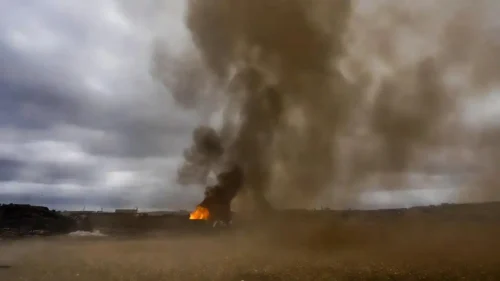

The war between the US-Israeli alliance and Iran took a terrifying turn this Saturday. Iranian missiles slammed into the Israeli cities of Dimona and Arad, wounding more than 100 people. Dimona is a very sensitive location because it houses Israel’s main nuclear research center. This dramatic attack happened during the 4th week of a conflict that originally began on February 28. Since that day, the violence has only grown more intense. Iranian state media described the missiles as a direct response to an earlier strike on Iran’s Natanz nuclear facility. This tit-for-tat violence shows that both sides are now targeting the most sensitive sites possible, bringing the world closer to a major disaster.
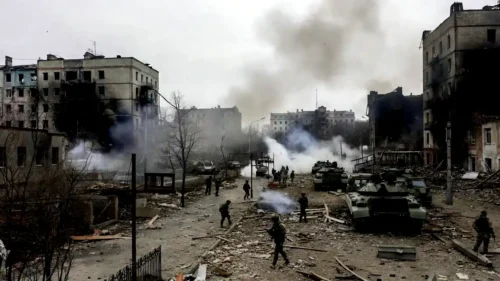
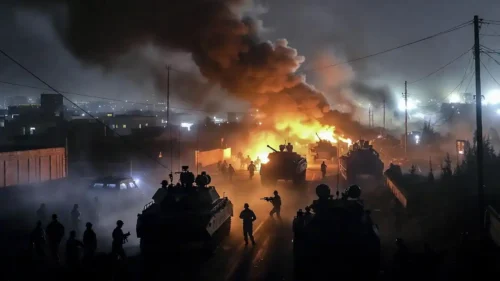
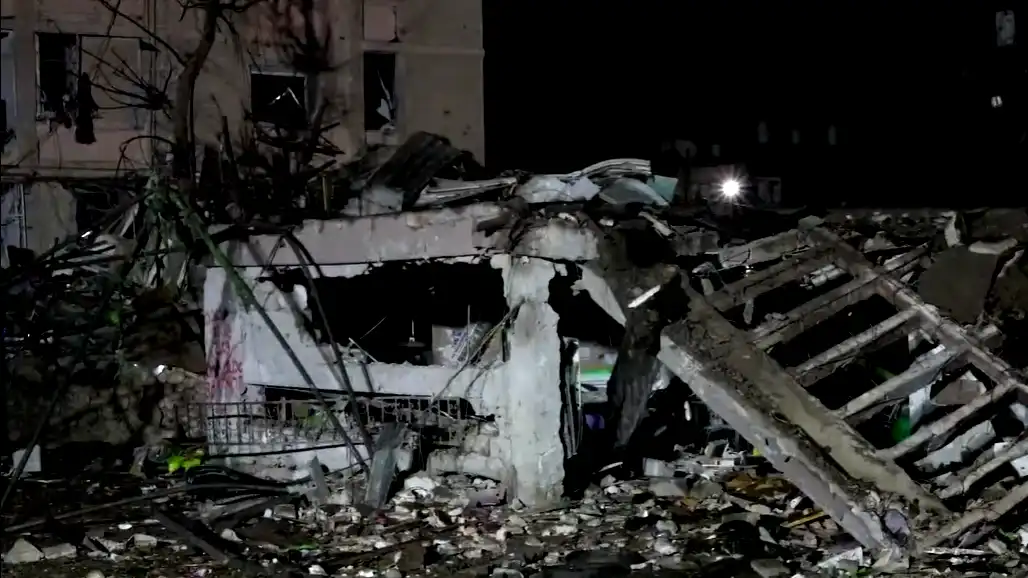
The human cost of Saturday’s strikes was high and immediate. In the city of Arad, emergency workers treated 88 wounded people. Out of those victims, 10 are currently in serious condition. The city center suffered massive damage, with heavy rubble covering the main streets. In Dimona, 39 people were hurt in the blasts. Paramedics rushed a 10-year-old boy to the hospital in critical condition after shrapnel hit him during the explosion. Several apartment buildings in Dimona were destroyed, leaving many families with nowhere to go. While these numbers are smaller than the 1,500 people killed in Iran since the war started—including over 200 children—they represent a major psychological blow to the Israeli public.
Prime Minister Benjamin Netanyahu called this a difficult evening for the entire country. He promised that Israel would continue to attack Iran until it achieved a total victory. Surprisingly, the Israeli military admitted that its advanced air defense systems failed to stop the incoming missiles. These were not high-tech or unfamiliar weapons, yet the interceptors missed their targets. Two ballistic missiles, each carrying warheads weighing hundreds of kilograms, hit the ground directly. This failure raises serious questions about how safe Israeli cities really are during this conflict. If even the area around a nuclear facility can be hit, it shows that no place is truly off-limits in this war.
Everyone was holding their breath to see if the Shimon Peres Negev Nuclear Research Center was actually damaged. The International Atomic Energy Agency, led by Rafael Grossi, quickly assessed the situation. They reported finding no signs of damage to the nuclear reactors themselves. More importantly, they did not detect any dangerous radiation leaks in the surrounding area. Grossi urged both sides to show maximum military restraint, especially when fighting near nuclear sites. Even though the reactor stayed safe this time, the fact that missiles landed so close has terrified the international community. A direct hit on a facility like Dimona could cause a radioactive disaster that would affect the entire Middle East for many decades.
Before the Iranian missiles arrived, Israel made its own aggressive move. The military announced it struck a research building at Malek Ashtar University in Tehran. They claimed the site helped Iran develop components for nuclear weapons and long-range missiles. Israel has maintained for years that it will never allow the Iranian regime to acquire a nuclear bomb. Meanwhile, Iran accused the US and Israel of hitting the Natanz enrichment complex that same morning. Although an unnamed Israeli official denied doing it, Iran used the event to justify its retaliatory attack on Dimona. This cycle of revenge makes it almost impossible for diplomats to stop the daily fighting.
This new “eye-for-an-eye” approach marks a major shift in how Iran is fighting this war. Experts believe Tehran wants to prove that its threats are real and credible. By striking near Dimona, they are trying to re-establish deterrence against the alliance. They want to show that if their nuclear sites are touched, Israel’s most guarded sites will be next on the list. This strategy aims to force a new security arrangement in the region rather than just a quick ceasefire. Since Israel built the Dimona facility back in 1958, it has been the heart of their national defense. Now that it has been targeted, the rules of the war have changed completely.
As the fighting intensifies, the global economy continues to feel the heavy pain of the conflict. Beyond the physical damage from the missiles, the broader war has caused a 2.4% drop in several major stock markets. Financial analysts also worry about a massive $5,000 increase in average annual energy costs for many households if the war continues through the year. Schools near the Ramat Negev area have already cancelled classes, and families are hiding in underground shelters. Both sides seem determined to keep hitting back harder, and the risk of a total regional meltdown grows with every passing hour.