

The global economy is an intricate, interconnected web where a disruption in one corner of the world inevitably sends shockwaves across continents. In the contemporary financial landscape, few nations illustrate this hyper-connectivity as vividly as South Korea. As a premier global manufacturing powerhouse and a leading exporter of high-tech goods, South Korea acts as a crucial bellwether for the health of international supply chains. However, South Korea’s commodity price volatility is accelerating amid global uncertainty, creating a complex economic environment that extends far beyond the Korean Peninsula. Because the nation relies heavily on imported raw materials to fuel its massive industrial engine, any fluctuation in global commodity prices directly impacts the cost and availability of consumer electronics, automobiles, and green technologies worldwide.
Understanding the dynamics of South Korea’s commodity challenges requires a deep dive into the structural vulnerabilities of its economy and the broader macroeconomic forces at play. From shifting geopolitical alliances to the unpredictability of global currency markets, the hurdles facing South Korean manufacturers offer a comprehensive lens on the current state of global trade. This article explores the root causes of this accelerating volatility, its ripple effects across the global marketplace, and the strategic maneuvers being deployed to mitigate these mounting risks.
The Anatomy of South Korea’s Commodity Dependence
To grasp the magnitude of the current volatility, one must first understand the fundamental structure of the South Korean economy. Despite its outsized influence on global technology and manufacturing, South Korea possesses very few natural resources of its own. The nation is almost entirely dependent on imports to meet its energy needs and to source the raw materials necessary for its vast industrial output.
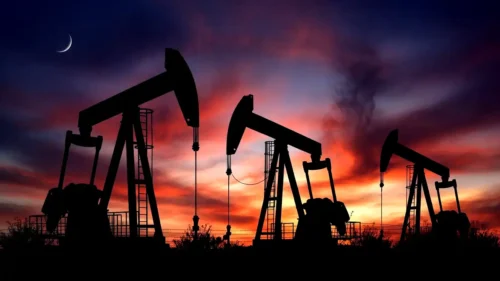
This inherent lack of domestic resources places South Korea at the mercy of global commodity markets. When global supply chains function smoothly, the system is highly efficient; South Korea imports raw goods, refines them, manufactures high-value products, and exports them to eager global consumers. However, when uncertainty strikes, this dependency becomes an Achilles’ heel. The nation is exceptionally vulnerable to price spikes in crucial commodities, particularly in the energy sector, where crude oil, liquefied natural gas (LNG), and coal are vital to keeping the lights on and the factories humming. Furthermore, the transition toward a high-tech, green economy has only deepened this reliance, shifting the dependency from traditional fossil fuels to critical minerals required for modern innovation.
The Shift Toward Critical Minerals and Advanced Tech
The modern manufacturing paradigm has shifted, and with it, the types of commodities that South Korea desperately needs to secure. While oil and gas remain fundamental, the lifeblood of South Korea’s future economic growth lies in rare earth elements and specialized metals.
The global rush toward electrification and digitalization has exponentially increased the demand for specific raw materials. South Korean conglomerates—often referred to as chaebols—are global leaders in semiconductor fabrication, electric vehicle (EV) battery production, and consumer electronics. Consequently, the pricing and availability of the following commodities have become critical pressure points:
- Lithium and Cobalt: Essential for the production of high-capacity EV batteries, the prices of these metals have seen wild swings due to surging global demand and concentrated mining operations.
- Nickel and Manganese: These elements dictate the efficiency and range of modern energy storage systems, making them highly sought after by South Korean battery manufacturers.
- Neon and Palladium: Crucial for the delicate lasers and processes used in advanced semiconductor manufacturing, any disruption in these specialized gases and metals can halt the production of microchips used worldwide.
Geopolitical Tensions and Supply Chain Fractures
A range of complex geopolitical tensions currently drives global uncertainty, and these international frictions are the primary catalysts for the accelerating commodity volatility affecting South Korea. When diplomatic relations deteriorate or armed conflicts erupt in resource-rich regions, the traditional flow of global trade is immediately compromised.
South Korea’s geographical and diplomatic positioning make it highly sensitive to these geopolitical shifts. Supply chain bottlenecks, trade embargoes, and economic sanctions force South Korean manufacturers to constantly reroute their supply lines and pay premium prices for essential goods. When major energy exporters or critical mineral refiners are isolated from global markets due to geopolitical conflicts, a sudden supply constraint sends commodity prices soaring. Because South Korea cannot simply fall back on domestic reserves, it is forced to absorb these premium costs, which places immense pressure on corporate profit margins and on the national trade deficit.
The Currency Conundrum and Import Costs
Another massive layer of complexity in the commodity volatility equation is the fluctuating value of global currencies. Because commodities like crude oil and industrial metals are predominantly priced in United States dollars (USD), the exchange rate between the dollar and the South Korean Won (KRW) plays a definitive role in the actual cost of imports.
During periods of intense global uncertainty, international investors typically flock to the US dollar as a safe-haven asset, driving up its value relative to other currencies. When the Won depreciates against a strong dollar, South Korea effectively faces a double-edged sword. Not only are global commodity prices experiencing volatile spikes, but a weakened local currency also means that South Korean importers must spend significantly more Won to purchase the same volume of raw materials. This currency-induced inflation exacerbates volatility, deeply eroding the purchasing power of the nation’s industrial sector and accelerating domestic inflation.
Ripple Effects on the Global Consumer
The struggles facing South Korean importers do not remain confined to East Asia; they cascade rapidly throughout the global economy. Because South Korea occupies such a pivotal node in the international supply chain, the accelerating commodity volatility it experiences directly translates into higher costs and delayed shipments for consumers and businesses around the world.
When South Korean manufacturers pay exorbitant prices for energy and critical minerals, those costs must eventually be passed down the line. This dynamic impacts the global market in several distinct ways:
- Consumer Electronics: Rising costs of semiconductor materials are driving higher retail prices for smartphones, laptops, and home appliances globally.
- Automotive Industry: As South Korean battery makers face volatile lithium and nickel prices, the global transition to electric vehicles becomes more expensive, potentially slowing the adoption of green transport.
- Global Shipping and Logistics: South Korea is a titan in the shipbuilding industry. Volatile steel and energy prices increase the cost of manufacturing new cargo vessels, which in turn keeps global freight rates elevated.
Strategic Interventions and Corporate Resilience
Faced with this accelerating volatility, both the South Korean government and its corporate titans are not standing idly by. Recognizing that global uncertainty is becoming a permanent feature of the macroeconomic landscape, South Korea is actively rewriting its resource procurement playbooks. The goal is to build structural resilience and insulate the domestic economy from the wildest swings of the international commodity markets.
One of the primary strategies being deployed is the aggressive diversification of supply chains. South Korean conglomerates are moving away from relying on single nations for critical minerals and are actively investing in mining operations across South America, Southeast Asia, and Australia. Furthermore, the concept of “friend-shoring”—aligning supply chains with geopolitically allied nations—is gaining massive traction. The South Korean government is also heavily expanding its strategic national reserves of critical minerals and energy resources, ensuring that the nation has a buffer to weather sudden supply shocks without immediately halting industrial production.
The Long-Term Push Towards a Circular Economy
In the long run, the ultimate defense against commodity volatility is reducing the absolute reliance on raw, virgin materials. South Korea is aggressively pioneering the development of a highly efficient circular economy. By investing billions into recycling technologies, the nation hopes to reclaim critical commodities from end-of-life products and reintroduce them into the manufacturing cycle.
The recycling of EV batteries is becoming a massive industry within South Korea. By extracting viable lithium, cobalt, and nickel from discarded batteries, South Korean firms can create a localized, secondary supply of critical minerals that is entirely immune to global geopolitical strife and maritime shipping disruptions. Additionally, the nation is accelerating its transition toward renewable energy sources and green hydrogen, aiming to systematically decouple its industrial grid from the volatile global fossil fuel market.
Conclusion
The reality of accelerating volatility in South Korean commodities amid global uncertainty is a profound indicator of the fragility of modern international trade. As a nation fundamentally reliant on the smooth importation of raw materials, South Korea serves as the ultimate barometer for global supply chain health. The geopolitical tensions, currency fluctuations, and surging demand for advanced technological minerals have created a perfect storm of volatility. However, through aggressive supply chain diversification, strategic stockpiling, and the pioneering of a circular green economy, South Korea is actively forging a path toward industrial resilience. For the rest of the world, watching how South Korea navigates this turbulence is crucial, as the nation’s ability to secure its resources ultimately dictates the pace, price, and availability of the global technological future.