
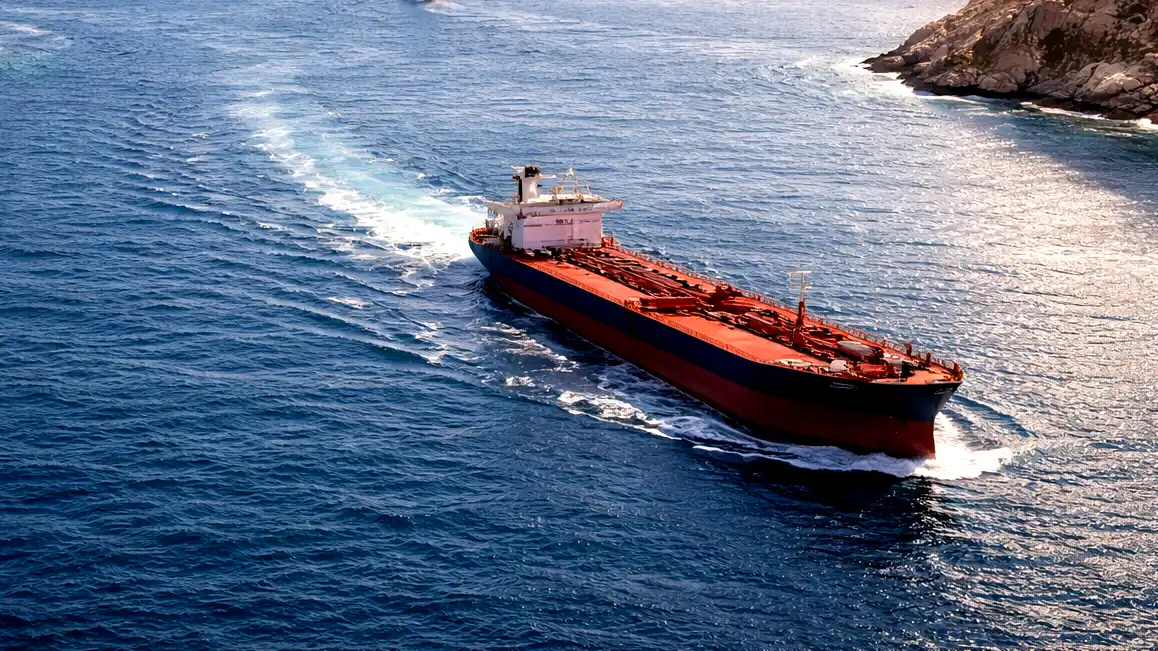
The ongoing war between the United States, Israel, and Iran essentially closed the Strait of Hormuz. This heavy blockade chokes off a massive portion of the energy that powers the global economy. Shipping experts warn that even if the waterway magically reopens tomorrow, the worldwide supply chain crisis will last for many months. The real logistical nightmare begins only after the armies stop dropping bombs.
Nils Haupt, a director at the shipping giant Hapag-Lloyd, explains that clearing the current traffic jam requires a massive effort. Right now, the International Maritime Organization reports that roughly 2,000 commercial ships sit completely stranded in the region. About 400 of these vessels wait nervously in the nearby Gulf of Oman, hoping the strait opens soon. Other desperate captains diverted their ships to the Suez Canal or forced their crews to take the long, expensive journey around the southern tip of Africa.
The physical damage to local ports and oil facilities makes the recovery process much harder. Svein Ringbakken, a shipping insurance executive, notes that military attacks damaged more than 40 energy assets across the Middle East. Major oil and gas companies in Qatar, Kuwait, and Bahrain halted production entirely because they had run out of storage space. Ringbakken says clearing the massive backlog of delayed oil, gas, and everyday goods will take several months of nonstop work.
The financial toll grows heavier every single day. Iran blocked the waterway to retaliate against American and Israeli military strikes that started on February 28. This blockade cut off 20 percent of the crude oil and liquid natural gas the world uses daily. The closure also stopped the export of vital fertilizers and raw plastics. Shipping companies face crippling new bills, with hull and cargo insurance premiums jumping a staggering 300 percent. Many companies now pay an extra $5,000 just to ensure a standard shipping container, while these sudden shipping delays caused overall global trade to shrink by 2.4% last month.
Business leaders worry deeply about the long-term safety of their crews and cargo. The International Maritime Organization confirmed at least 18 violent attacks on commercial vessels since the war started. In one tragic incident on March 11, two unmanned drone boats rammed a Safesea oil tanker and killed a hardworking crew member. SV Anchan, chairman of Safesea, points out that these new drone dangers have permanently changed the risk environment on the water. He says shipowners and insurers will demand guaranteed security before they send large fleets back into the region.
Iran currently controls exactly who enters and leaves the vital waterway. Maritime data show that Tehran allows only a handful of ships from friendly nations to pass safely through its territorial waters. One shipping company reportedly paid Iran a massive $2 million transit fee just to secure a safe passage for its cargo. Iranian lawmakers also just passed a new law to make these expensive transit fees permanent. Oscar Seikaly, CEO of NSI Insurance Group, says that war risk coverage will only return to normal prices if leaders find a truly permanent peace agreement that guarantees full security.
Industry experts predict this crisis will permanently change global shipping routes forever. Nick Marro, a global trade analyst, compares this situation to the Red Sea attacks in late 2023. He expects logistics companies to abandon the Strait of Hormuz and find alternative trade routes, just like manufacturers moved their supply chains away from China during the recent pandemic. Ultimately, countries and big businesses realize they can no longer rely on such a volatile combat zone to transport the energy that keeps the modern world running.