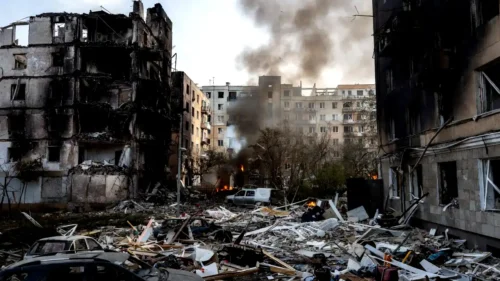

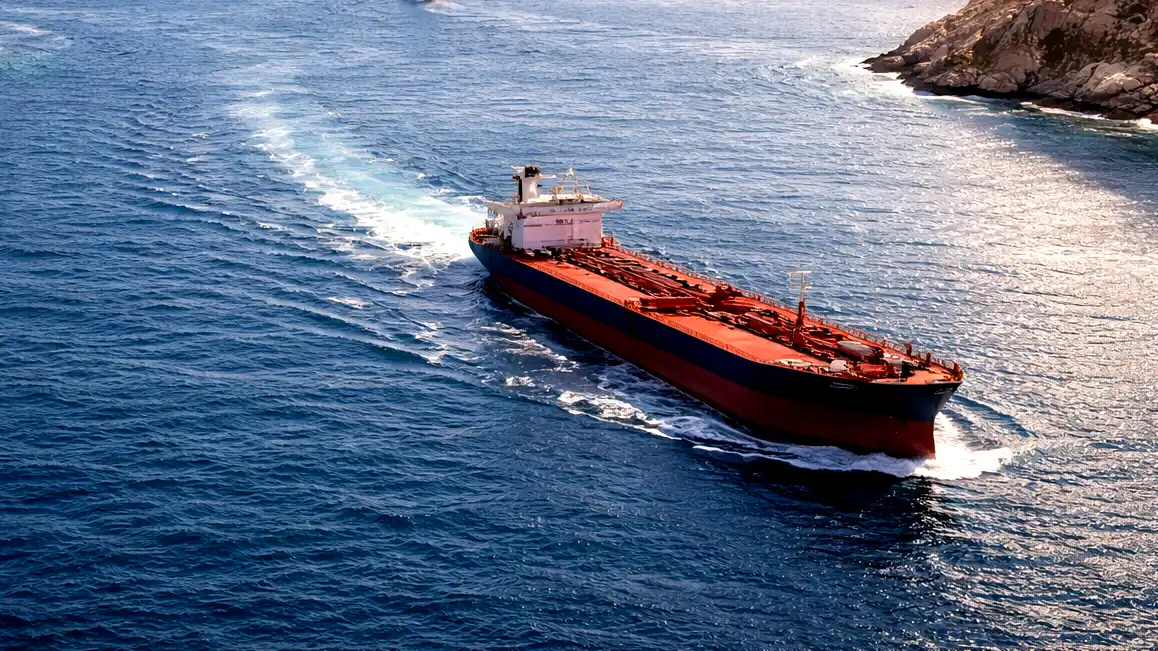
The global economy operates on a finely tuned, highly sensitive network of energy supply chains that can be severely disrupted by geopolitical instability. When tensions escalate in key energy-producing regions, the ripple effects are felt instantly across international markets, triggering widespread economic anxiety. Currently, an escalating conflict involving Iran has sent shockwaves through the global energy sector, precipitating a severe global energy crisis. As oil and gas prices surge to alarming levels, nations around the world are scrambling to secure their energy lifelines. In Europe, the situation has become so acute that officials are actively urging energy austerity, pleading with both citizens and industries to reduce their consumption to manage the unprecedented shock drastically. This crisis highlights the enduring fragility of a global economy that remains deeply dependent on fossil fuels and vulnerable to the unpredictability of Middle Eastern geopolitics.
Understanding the magnitude of this energy crisis requires a comprehensive look at the intersection of international relations, commodity markets, and domestic economic policies. The sudden spike in energy costs is not merely a localized issue; it is a global phenomenon that threatens to derail economic growth, exacerbate inflation, and alter the trajectory of the transition to renewable energy. From the busy trading floors of global financial capitals to the dining tables of everyday consumers, the surging cost of power and fuel is reshaping daily life. As governments enact emergency measures to prevent blackouts and economic stagnation, the world is once again reminded of the critical need for energy security. To fully grasp how this situation unfolded and where it is heading, we must examine the roots of the conflict, the mechanics of the price surges, the European austerity response, and the broader global implications.
The current state of the global energy market is a direct result of long-standing geopolitical tensions that have reached a boiling point. The Middle East remains the undisputed beating heart of global fossil fuel production, and any disruption there has immediate, worldwide consequences.
The Roots of the Current Global Energy Crisis
To understand the sudden and dramatic rise in oil and gas prices, one must first analyze the geopolitical epicenter of the crisis. The Middle East, with its vast hydrocarbon reserves, has always been a region where political instability translates directly into economic volatility. The current conflict involving Iran serves as a powerful catalyst, igniting fears of prolonged supply disruptions and retaliatory strikes on critical energy infrastructure. Because energy markets operate largely on future expectations, the mere threat of a supply bottleneck is often enough to send prices skyrocketing, even before a single drop of oil is physically removed from the market.
The strategic geographic positioning of the nations involved compounds this environment of fear and uncertainty. The conflict does not just threaten production facilities; it threatens the very arteries through which global energy flows.
Geopolitical Turmoil and the Iranian Catalyst
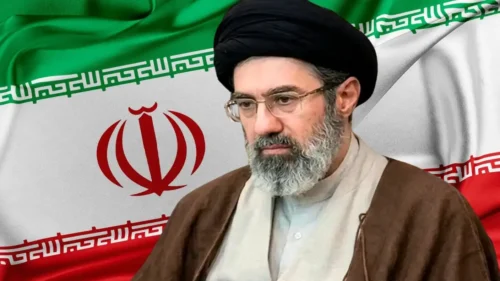
Iran occupies a highly strategic position in the global energy landscape, not only as a major producer of crude oil and natural gas but also as a formidable geopolitical force in the region. The escalation of conflict involving Iran introduces multiple layers of risk to global energy markets. Investors and market analysts constantly monitor the situation, fearing that sanctions, military engagements, or proxy conflicts could severely curtail the region’s output. When geopolitical rhetoric translates into kinetic military action, the risk premium attached to every barrel of oil surges. The conflict forces shipping companies, insurers, and energy traders to recalculate their risk models, resulting in an immediate and steep increase in the cost of energy commodities globally.
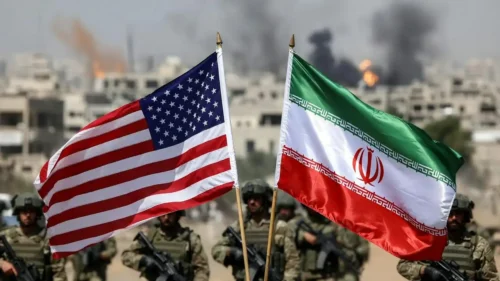
Furthermore, the geopolitical alliances surrounding the conflict complicate the global response. As superpowers take differing stances on the conflict, the international community struggles to present a unified front to stabilize energy markets. This diplomatic gridlock ensures that the volatility in the energy sector remains high, as markets react erratically to every political statement, military maneuver, and diplomatic breakdown.
The threat extends far beyond Iran’s domestic production capabilities. The region’s geography poses a terrifying vulnerability to the global economy.
Vulnerabilities in the Global Supply Chain
The most pressing concern for global energy markets in the event of an Iran-centric conflict is the security of the Strait of Hormuz. This narrow waterway is arguably the world’s most critical energy chokepoint, serving as the primary transit route for a large share of the globe’s seaborne crude oil and liquefied natural gas (LNG). Any military escalation that threatens to close or restrict access to the Strait of Hormuz immediately triggers panic buying across international markets. If tankers are unable to navigate this passage safely, the sudden drop in global supply cannot be easily replaced by other oil-producing nations in the short term.
Additionally, the interconnected nature of global supply chains means that a disruption in the Middle East forces vessels to take longer, more expensive alternative routes. This increases freight costs, drives up insurance premiums, and delays delivery schedules, all of which ultimately result in higher prices for the end consumer. The fragility of this supply chain underscores a systemic weakness in global energy security that the current crisis has brutally exposed.
As these geopolitical fears materialize, the financial markets are the first to register the impact. The reaction across commodity exchanges has been swift, aggressive, and highly destabilizing.
The Shockwave in Oil and Gas Markets
The global energy market is a complex ecosystem where supply, demand, and speculative trading intersect. The outbreak of conflict involving Iran was a massive external shock to this system, instantly invalidating prior price forecasts and economic models. Traders, fearing a worst-case scenario of prolonged supply outages, rushed to secure future contracts, driving prices up at a blistering pace. This shockwave is not limited to a single commodity; it has severely impacted both the crude oil and natural gas sectors, creating a double-edged sword for importing nations that rely on both fuels to keep their economies functioning.
The surge in prices affects every tier of the global economy, from manufacturing and transportation costs to the prices of basic consumer goods. Analyzing the specific dynamics of the oil and gas markets reveals the depth of the current crisis.
Surging Crude Oil Prices
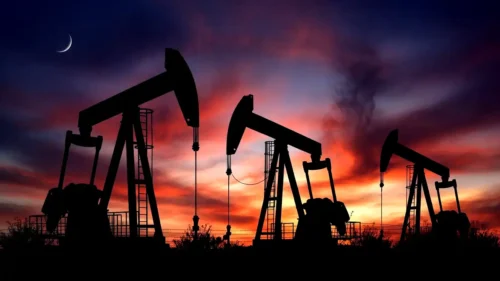
Crude oil is the lifeblood of the modern industrial economy, and its price is a foundational component of global inflation. As the conflict escalated, international benchmarks such as Brent Crude and West Texas Intermediate (WTI) experienced severe price spikes. The fear of a supply deficit, coupled with the realization that spare production capacity among other global producers might be insufficient to cover a major shortfall in the Middle East, created a perfect storm for an oil price rally. This surge in crude oil prices translates directly into higher fuel prices at the pump for consumers, increased logistical costs for global shipping, and rising operational expenses for airlines and freight companies.
The economic burden of these surging oil prices is regressive, meaning it disproportionately affects lower-income households and developing nations. As transportation costs rise, the prices of everyday goods—including food and other necessities—increase, triggering a broader inflationary environment that central banks struggle to contain without pushing their economies into recession.
While oil dominates the transportation sector, another critical commodity is causing widespread panic in the electricity and heating sectors.
The Natural Gas Squeeze
Parallel to the oil shock, the global natural gas market is experiencing a severe squeeze. Liquefied Natural Gas (LNG) has become a critical transitional fuel for many nations, particularly those seeking to move away from coal. The Middle East is a vital supplier of LNG, and the conflict has raised serious doubts about the reliability of future shipments. Because natural gas is widely used for electricity generation and residential heating, a spike in its price has an immediate and visceral impact on citizens’ daily lives.
For regions heavily dependent on imported LNG, the competition to secure limited cargoes has become fierce. This bidding war drives prices to astronomical heights, forcing utility companies to pass the exorbitant costs onto consumers. The natural gas squeeze also has dire implications for industrial sectors, particularly chemical and fertilizer manufacturing, which rely on natural gas as a primary feedstock. As these industries face unsustainable operational costs, the threat of factory shutdowns and supply shortages becomes a grim reality.
Nowhere is the impact of this energy crisis felt more acutely than in Europe. Facing severe supply constraints, European leaders have been forced to take drastic and unprecedented measures.
Europe’s Response: The Call for Energy Austerity
Europe finds itself in a uniquely precarious position during this global energy crisis. Having spent years attempting to diversify its energy mix and transition to greener alternatives, the continent remains highly sensitive to shocks in the global fossil fuel market. The escalation of the conflict in Iran has severely threatened Europe’s energy security, prompting officials to issue stark warnings about the months ahead. Recognizing that they cannot simply buy their way out of a global supply deficit, European governments have universally pivoted to a strategy of demand destruction. The concept of “energy austerity” has transitioned from a theoretical worst-case scenario into a daily reality, as leaders urge citizens and corporations alike to alter their consumption habits to mitigate the shock.
This call for austerity is not merely a request for environmental conservation; it is framed as a matter of urgent national security and economic survival. The measures being implemented represent a dramatic shift in the European way of life.
Rationing and Demand Reduction Strategies
European officials have rolled out comprehensive energy austerity campaigns aimed at rapidly reducing aggregate demand. These strategies involve a mix of voluntary public appeals and mandatory governmental regulations. At the residential level, citizens are urged to lower their thermostats during winter, limit air conditioning use during summer, and minimize hot water consumption. Public awareness campaigns highlight how collective, minor changes in household behavior can prevent the need for rolling blackouts.
In the public sector, municipalities are taking highly visible steps to demonstrate austerity. These measures include:
- Dimming or completely turning off streetlights and illuminated public monuments during late-night hours.
- Mandating strict temperature limits in government buildings, public swimming pools, and state-funded institutions.
- Reducing the frequency and operational hours of public transportation services to conserve fuel and electricity.
- Launching aggressive public relations campaigns to educate citizens on energy-saving practices and the geopolitical necessity of conservation.
While residential and public conservation efforts are vital, the most significant reductions in energy demand must come from the private sector, often at a severe economic cost.
The Economic Toll on European Industries
The push for energy austerity has placed an immense burden on Europe’s industrial base. Energy-intensive sectors, such as steel manufacturing, glassmaking, smelting, and chemical production, are facing an existential crisis. The soaring cost of natural gas and electricity has made operating at full capacity financially ruinous for many of these enterprises. Consequently, European officials are negotiating with large industrial consumers to voluntarily scale back production during peak-energy-demand hours, a practice known as load shedding.
While this helps stabilize the energy grid, the economic toll is devastating. Factories are being forced to idle production lines, furlough workers, and delay expansion plans. This industrial slowdown threatens to trigger a deep economic recession across the continent, weakening the euro and reducing Europe’s competitive edge in the global market. The energy crisis has forced a painful realization: maintaining energy security through austerity inherently entails sacrificing some industrial output and economic prosperity.
While Europe is at the epicenter of the austerity movement, the shockwaves of the energy crisis are not contained within its borders. The surge in prices is a global phenomenon with cascading effects.
Ripple Effects Across the Globe
The interconnected nature of the modern global economy ensures that an energy crisis triggered by a conflict in the Middle East has profound ripple effects across every continent. While European nations have the financial reserves to compete in a bidding war for scarce energy resources, albeit at great economic pain, other regions are facing far more dire consequences. The global surge in oil and gas prices acts as a massive, regressive tax on the world economy, draining capital from productive investments and redistributing it to energy-producing nations. This dynamic creates stark winners and losers, exacerbating global inequality and threatening to destabilize vulnerable regions.
Understanding the global scope of this crisis requires analyzing how different economic blocs are reacting to and suffering from the sudden energy price shock.
Impact on Developing Nations
Developing nations and emerging markets are bearing the heaviest, most disproportionate burden of the global energy crisis. Many of these countries are net importers of energy, and because oil and gas are predominantly traded in US dollars, they face a dual crisis. The geopolitical uncertainty has strengthened the dollar, meaning developing nations must use their depreciating local currencies to buy increasingly expensive, dollar-denominated fuel. This dynamic drains their foreign exchange reserves and pushes them toward debt crises and sovereign defaults.
Furthermore, the high cost of energy directly threatens food security in the developing world. Modern agriculture is highly energy-intensive, relying on fuel for machinery and transportation, and heavily dependent on natural gas for the production of nitrogen-based fertilizers. As fertilizer prices skyrocket alongside natural gas, agricultural yields threaten to drop, raising the terrifying prospect of widespread food shortages and humanitarian crises in the world’s most vulnerable regions.
The crisis also forces a strategic recalibration among the world’s largest economic superpowers, who must navigate the volatility while protecting their massive domestic markets.
The US and Asian Markets Reaction
In the United States, the response to the global energy shock involves a complex balancing act between domestic production and consumer protection. While the US is a major producer of oil and gas, its markets are still intrinsically linked to global pricing. To mitigate the shock to domestic consumers and prevent runaway inflation at the fuel pump, the US government has frequently debated the release of crude oil from the Strategic Petroleum Reserve (SPR). Furthermore, diplomatic efforts are intensified to pressure non-involved oil-producing nations to increase their output, though these efforts often meet with mixed results due to competing national interests.
In Asia, industrial powerhouses like China, Japan, and South Korea—all of which are massive importers of energy—are highly exposed to the crisis. These nations are aggressively competing with Europe to secure LNG cargoes, driving global prices even higher. To manage the shock, Asian governments are accelerating their investments in alternative supply chains, securing long-term contracts with producers outside the Middle East, and temporarily reviving dormant coal-fired power plants to ensure grid stability, despite the negative environmental consequences.
The severity of this fossil fuel crisis has sparked an intense global debate about the future of energy production. For many policymakers, the crisis serves as an undeniable catalyst for change.
Accelerating the Renewable Energy Transition
If there is a silver lining to the bleak landscape of the global energy crisis, it is the renewed and urgent focus on the transition to renewable energy. Historically, the shift toward solar, wind, and alternative energy sources was driven primarily by environmental concerns and the need to combat climate change. However, the current crisis, exacerbated by the Iran conflict, has fundamentally reframed the narrative. The transition to renewable energy is no longer viewed solely as an ecological imperative; it is now universally recognized as the ultimate strategy for achieving national security and economic sovereignty.
Nations are realizing that as long as their economies depend on imported fossil fuels, they will remain hostages to geopolitical conflicts halfway across the globe. This realization has triggered an unprecedented acceleration in green energy investments.
Green Energy as a Security Imperative
The logic driving this accelerated transition is straightforward: the wind and the sun cannot be embargoed, sanctioned, or disrupted by geopolitical warfare. By rapidly expanding domestic renewable energy capacity, nations can decouple their economic health from the volatility of Middle Eastern conflicts. European nations, currently suffering the most acute austerity measures, are drastically fast-tracking the permitting and construction processes for massive offshore wind farms and expansive solar arrays.
In addition to wind and solar, there is a resurgent interest in nuclear energy as a reliable, zero-emission baseload power source. Countries that had previously planned to phase out nuclear power are now extending the lifespans of their reactors to ensure a stable domestic energy supply. The development of green hydrogen, produced using renewable electricity, is also receiving massive government subsidies as a long-term replacement for natural gas in heavy industries.
Despite the intense political will to transition, the path to a fully renewable energy grid is fraught with monumental logistical and structural challenges.
Challenges in Rapid Decarbonization
While the desire to accelerate the renewable energy transition is strong, executing it in the midst of a global economic crisis presents severe difficulties. Building a green energy infrastructure requires massive capital investments precisely at a time when inflation and high interest rates are making borrowing prohibitively expensive. Furthermore, renewable energy sources are intermittent, requiring robust battery storage systems and completely modernized, highly flexible smart grids—infrastructure that takes years, if not decades, to build at scale.
Another critical challenge is the shift in supply chain vulnerabilities. While transitioning away from fossil fuels reduces reliance on the Middle East, it drastically increases reliance on the global supply chain for critical minerals such as lithium, cobalt, and rare earth elements, which are essential for manufacturing solar panels, wind turbines, and batteries. If the processing and refinement of these minerals remain concentrated in a few specific geopolitical regions, the world risks trading an oil dependency for a critical mineral dependency, merely shifting the geographic focal point of future energy crises.
To survive the immediate shock and build a resilient future, governments, corporations, and individuals must adopt comprehensive and pragmatic strategies.
Strategies for Navigating the Energy Price Surge
As the global energy crisis continues to unfold, waiting for geopolitical tensions to subside is not a viable strategy. Nations and economic blocs must implement proactive, multifaceted approaches to navigate the current price surge and protect their citizens from the harshest economic impacts. These strategies must balance the immediate need for affordable energy with the long-term goal of transitioning to a sustainable, sovereign energy grid. Managing this crisis requires a combination of diplomatic maneuvering, financial engineering, and societal cooperation.
To effectively mitigate the impacts of the energy crisis and ensure long-term stability, governments and institutions are focusing on the following strategic imperatives:
- Diversification of Energy Suppliers: Governments are aggressively seeking new, reliable partners outside of conflict zones to supply oil and LNG, signing long-term contracts to guarantee baseline security and reduce exposure to spot-market volatility.
- Investment in Energy Efficiency: Massive public funding is being directed toward retrofitting residential buildings and industrial facilities to radically improve insulation, upgrade HVAC systems, and reduce overall energy consumption without sacrificing productivity.
- Strategic Price Caps and Subsidies: To protect the most vulnerable populations from energy poverty, governments are implementing targeted financial subsidies, tax reliefs, and temporary price caps on utility bills, absorbing a portion of the market shock at the state level.
- Accelerating Domestic Production: Where environmentally and politically feasible, nations are temporarily increasing domestic extraction of fossil fuels to bridge the gap until renewable infrastructure can fully support the energy grid.
- International Energy Coordination: Allied nations are establishing unified purchasing blocs to leverage collective bargaining power against energy suppliers, preventing bidding wars that artificially inflate global LNG and oil prices.
Conclusion
The global energy crisis, intensely aggravated by the ongoing conflict involving Iran, serves as a stark and unforgiving reminder of the vulnerabilities inherent in the modern global economy. The sudden and violent surge in oil and gas prices has disrupted supply chains, fueled crippling inflation, and placed immense strain on both developed and developing nations. The sight of European officials actively urging energy austerity is a profound historical moment, symbolizing the abrupt transition from an era of assumed energy abundance to one of strict scarcity and strategic rationing.
As the world grapples with the immediate economic fallout, this crisis must act as a definitive catalyst for structural change. The geopolitical volatility of the Middle East will likely remain a persistent threat to global fossil fuel supplies. Therefore, the only viable, long-term solution to this recurring nightmare is a massive, unyielding commitment to the renewable energy transition. By viewing green energy not just as an environmental goal but as the ultimate pillar of national security and economic sovereignty, the global community can eventually break free from the cycle of fossil-fuel crises. Until that transition is complete, nations must employ intelligent diplomacy, robust energy efficiency measures, and resilient economic policies to navigate the turbulent waters of a world where energy security is never guaranteed.