
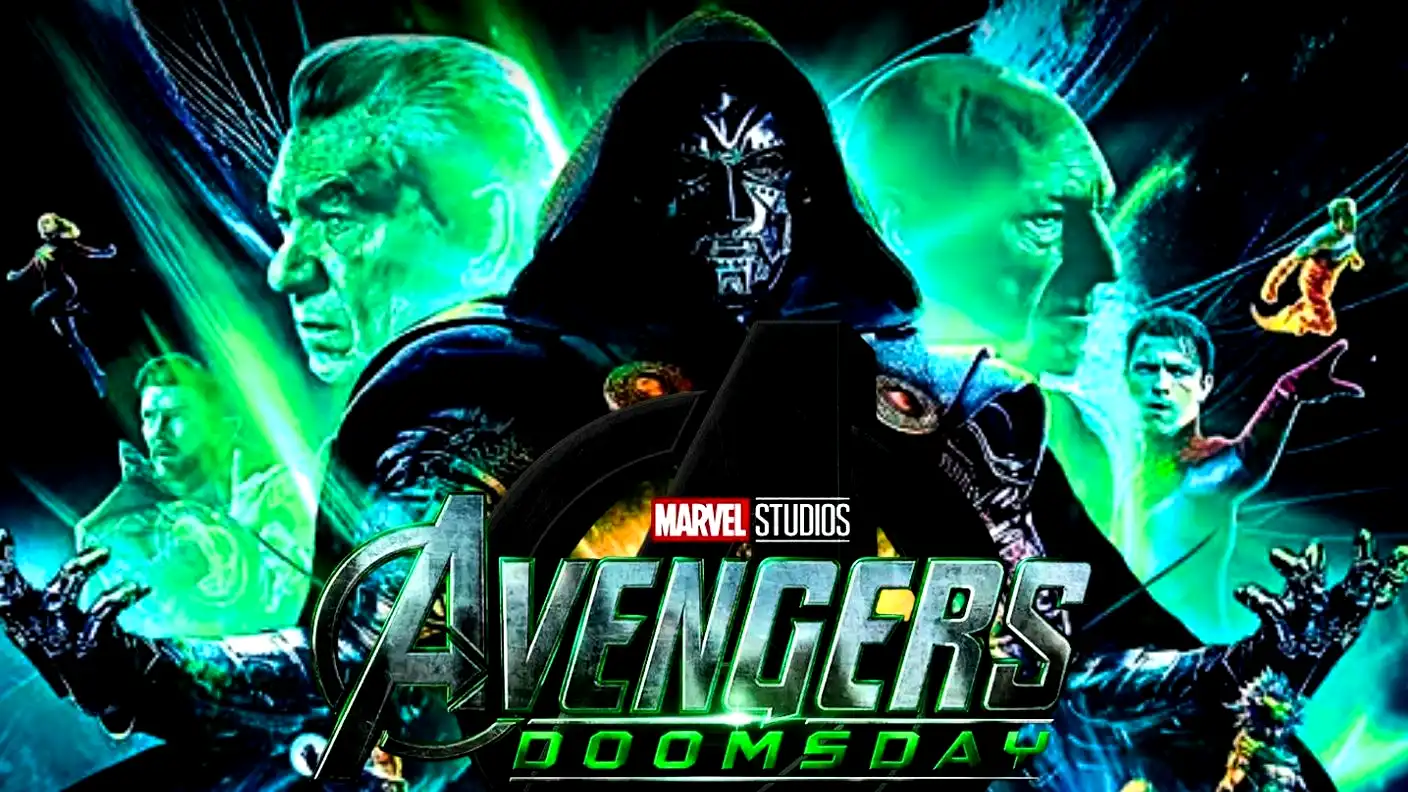
The Marvel Cinematic Universe (MCU) has spent over a decade meticulously building a tapestry of interconnected stories, heroes, and villains. Yet, nothing in this expansive history has generated the same level of global intrigue and seismic anticipation as the arrival of Avengers: Doomsday. As the fifth installment in the legendary Avengers franchise and a centerpiece of the current Multiverse Saga, this film represents a convergence of timelines, legacies, and iconic characters that were once thought impossible to unite on the big screen. By blending the core Avengers with the long-awaited integration of the Fantastic Four and the legendary X-Men, this cinematic event is set to redefine the scale of modern blockbuster storytelling.
This article explores the production magnitude, the revolutionary casting shifts, and the strategic narrative importance of Avengers: Doomsday. As global audiences prepare for a multiversal war, the industry is closely watching how this project will synthesize decades of superhero cinema into a cohesive, explosive experience. It is not merely a movie release; it is a cultural milestone that promises to shift the tectonic plates of the superhero genre.
The Return of the Architects: Why the Russo Brothers Matter
A project of this complexity and scale requires a specific brand of directorial mastery. When it was announced that Anthony and Joe Russo would return to the helm for Avengers: Doomsday, it signaled to the global fanbase that Marvel Studios was aiming for the same high-stakes, emotionally resonant storytelling that defined the climax of the Infinity Saga. The Russo brothers have a proven track record of handling massive ensemble casts while maintaining a grounded, character-focused narrative, a skill set that is essential for this particular story.
The return of this directing duo brings a sense of structural familiarity and narrative ambition that is vital for Phase Six. Having already navigated the intricate logistics of two of the highest-grossing films in history, the Russos understand the delicate balance between spectacle and character development. Their involvement ensures that Avengers: Doomsday will not just be a sequence of action set pieces, but a deeply impactful chapter that explores the psychological toll of a multiverse-spanning conflict.
A Legacy Reimagined: The Robert Downey Jr. Transformation
Perhaps the most discussed creative decision in the history of the MCU is the casting of Robert Downey Jr. as Victor von Doom, also known as Doctor Doom. This choice represents a bold narrative pivot, moving away from previous villain-centric plans and establishing Doom as the central antagonist. For a global audience, seeing the actor who once defined the heroic core of the Avengers return in such a dark, complex, and transformative role offers narrative irony and thematic weight unparalleled in modern franchise filmmaking.
Doctor Doom is not just another villain; he is one of the most formidable, intellectual, and morally ambiguous figures in comic book history. His presence changes the stakes from a physical struggle to an ideological and cosmic war. Robert Downey Jr.’s return as the primary antagonist sets the stage for a conflict that will test the Avengers in ways they have never been tested before, pitting them against a man who embodies the intelligence and ambition that they once counted on to save the world.
The Great Convergence: Uniting the Avengers, Fantastic Four, and X-Men
Avengers: Doomsday functions as the ultimate crossover event, serving as the bridge that finally connects the three primary pillars of the Marvel comic book universe. For years, fans have speculated about how these distinct teams would occupy the same space, and this film provides the definitive answer. The narrative forces a collision of ideologies, powers, and histories, creating a dynamic that is unique to the MCU.
The ensemble cast reads like a “who’s who” of cinematic icons, ensuring that there is a massive point of interest for every type of viewer:
- The Avengers Legacy: The return of core pillars like Chris Evans, Chris Hemsworth, and Anthony Mackie provides the emotional anchor for the film, grounding the multiversal chaos in the personal history that audiences have followed for years.
- The Fantastic Four Integration: Introducing Pedro Pascal, Vanessa Kirby, Joseph Quinn, and Ebon Moss-Bachrach as the Fantastic Four into the Avengers fold introduces a new scientific and familial dynamic essential for combating a threat as calculated as Doctor Doom.
- The X-Men Reunion: The inclusion of Patrick Stewart, Ian McKellen, and Kelsey Grammer creates a bridge to the rich history of the 20th Century Fox X-Men series, signaling that the multiverse will treat these legacies with the gravity they deserve.
The Narrative Architecture: A Prelude to Secret Wars
Every film in the MCU is designed to propel the narrative toward a greater goal, but Avengers: Doomsday occupies a particularly critical position. It is explicitly described as a “multiversal war,” a conflict that will push the boundaries of reality and force the heroes to make impossible choices. This film is the direct precursor to Avengers: Secret Wars, meaning its conclusion will have profound and lasting implications for the entire multiverse.
The story focuses on the mounting threat of Doctor Doom, whose machinations are poised to unravel the multiverse’s stability. As the Avengers, the Fantastic Four, and the X-Men are drawn into this conflict, they must navigate the fraying edges of time and space. The story’s structure is designed to leave the audience in suspense, as the stakes will inevitably be raised for the final confrontation in the sequel.
Production Rigor and the Quest for Cinematic Perfection
The logistics behind Avengers: Doomsday have been Herculean. With a production timeline spanning over a year and including extensive principal photography, the film is a testament to the scale of modern tentpole production. The meticulous attention to detail during filming, followed by the strategic use of additional photography, ensures that every beat of the multiversal narrative is polished to perfection.
The production status of the film highlights several aspects that distinguish it from standard sequels:
- Principal Photography: The lengthy filming period allowed the ensemble cast to integrate their performances, ensuring the chemistry between these distinct teams feels earned rather than forced.
- Reshoots as Refinement: The strategic approach to additional photography is not a sign of production trouble, but rather a deliberate choice to ensure that the interconnected multiversal elements remain consistent with the broader scope of Phase Six.
- Multiversal Logistics: Filming a project that bridges multiple timelines and realities required unprecedented coordination in both practical sets and groundbreaking visual effects, making the filming process itself an exercise in world-building.
The Global Impact of the Multiverse Saga
The success of Avengers: Doomsday is vital not just for Marvel Studios but for the trajectory of cinema as a global medium. By exploring the multiverse, the film invites audiences to consider themes of identity, legacy, and choice on a cosmic scale. It challenges the concept of a single reality and, in doing so, allows the filmmakers to explore iconic characters in entirely new ways.
This film is a global event that encourages communal viewing experiences. From the highly anticipated cameo reveals to the long-awaited team-up sequences, the film is built to dominate the cultural conversation. It signifies a maturation of the superhero genre, moving from individual hero journeys to a complex, epic tragedy that rewards the loyal fanbase while offering a high-octane entrance for newer viewers drawn in by the star-studded ensemble.
Conclusion
Avengers: Doomsday is far more than a blockbuster release; it is the culmination of a massive creative and financial investment in the power of storytelling. By uniting the Avengers, the Fantastic Four, and the X-Men under the shadow of a truly monumental antagonist, Marvel Studios is crafting an experience that reflects the complexity of the current media landscape. As the clock ticks down toward the release date, the anticipation continues to mount, setting the stage for what is expected to be a career-defining moment for the Russo brothers and a transformative experience for the global audience. The multiverse is expanding, the war has begun, and the world is ready to witness the doom—and the salvation—that awaits.