
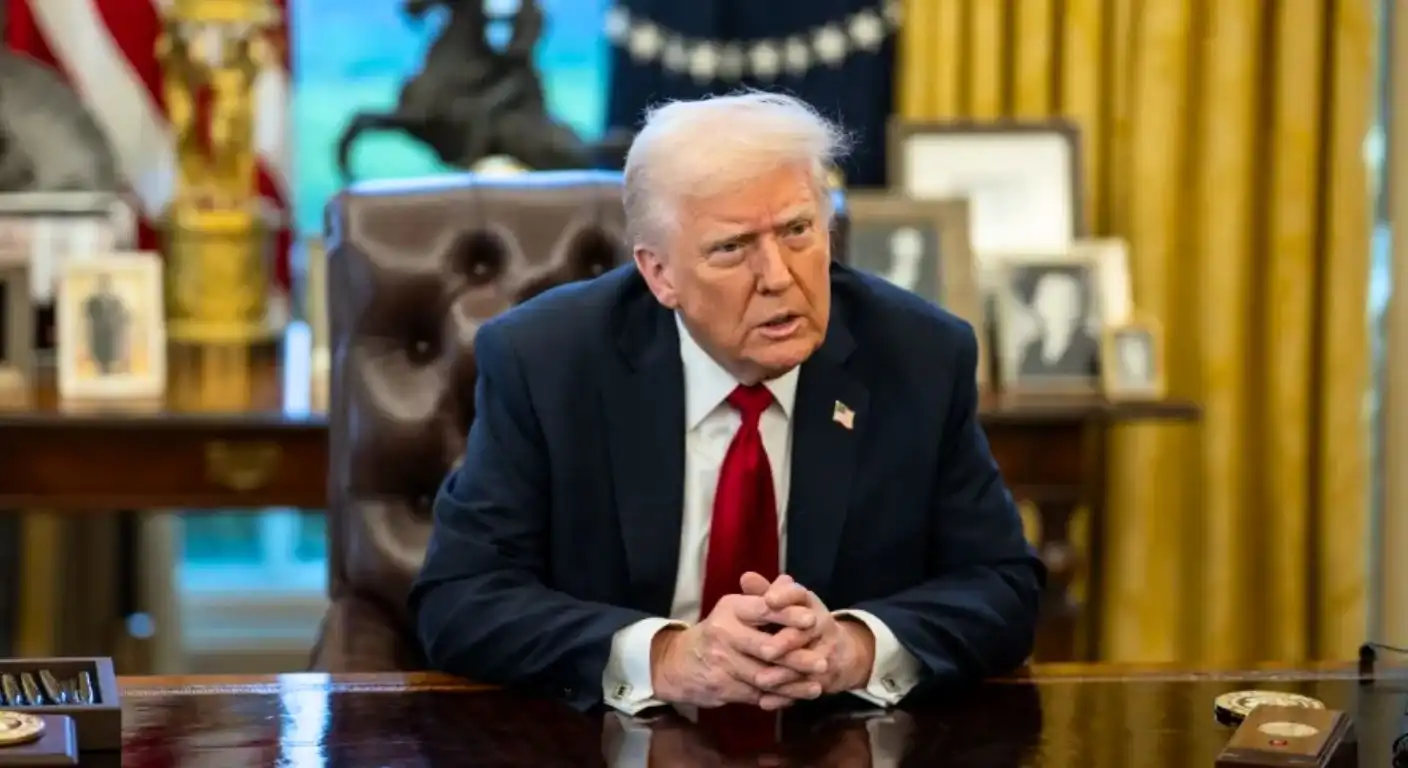
President Donald Trump wants Arab countries to open their wallets and pay for the massive costs of the ongoing war with Iran. White House Press Secretary Karoline Leavitt shared this surprising strategy with reporters during a press briefing on Monday. She hinted that the president will soon make a very public demand asking wealthy Middle Eastern allies to foot the heavy bill for the American military campaign.
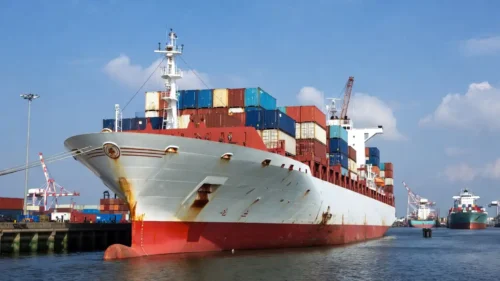
The conflict is already causing severe financial pain around the world. The sudden closure of the Strait of Hormuz caused global shipping costs to skyrocket overnight. Logistics companies now pay an extra $5,000 just to safely move a single cargo container through the dangerous regional waters. At the same time, global energy prices jumped by exactly 2.4% in just a few short days. Because the United States military is spending billions of dollars to secure the region, Trump believes local Arab leaders should step up and cover those heavy expenses.
When reporters asked if these Arab nations would actually agree to help pay for the war, Leavitt chose her words carefully. She refused to get ahead of the president’s official announcements but confirmed the payment plan remains a major focus inside the Oval Office. She told the press room that Trump is quite interested in calling on these countries to do their part, adding that the public will hear much more from him about this specific idea very soon.
Leavitt also provided an unexpected update on the current peace negotiations with the Iranian government. Despite the loud explosions and angry speeches dominating the daily news, she claimed that secret diplomatic talks are actually progressing quite well. She pointed out a massive difference between what leaders in Tehran scream into the television cameras and what they quietly whisper to American officials behind closed doors.
According to the press secretary, Iranian diplomats privately agreed to several key points proposed by Washington. She dismissed the angry public posturing from the Iranian regime as completely false reporting meant to distract their local citizens. However, Leavitt firmly warned that the American government will not blindly trust Iran. She promised that the White House will strictly test every single private promise and hold Tehran absolutely accountable for its secret agreements.
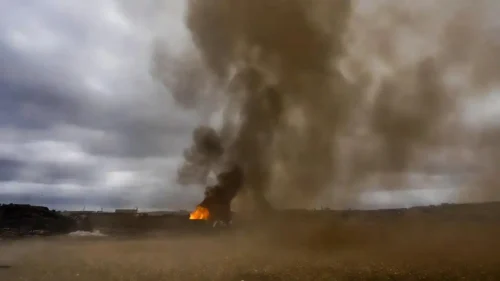
These supposed secret breakthroughs happen alongside extreme public threats. Earlier on Monday, Trump issued a terrifying ultimatum to the Iranian leadership. He warned that the United States military would completely obliterate Iranian energy plants and oil wells if Tehran refuses to open the Strait of Hormuz immediately. This narrow waterway serves as a critical chokepoint for the global economy, and the American president demands that oil starts flowing freely again.
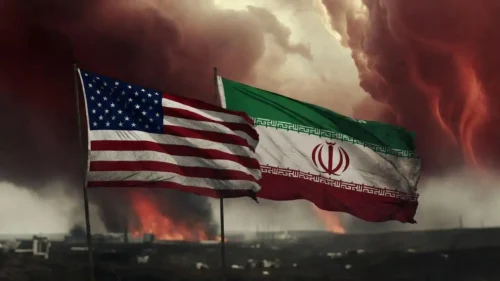
Iran responded to these heavy American threats with violence rather than diplomacy. Iranian officials publicly rejected the American peace proposals, officially describing the terms as completely unrealistic. To prove their defiance, the Iranian military fired fresh waves of deadly missiles directly at Israel. This brutal attack directly contradicts the highly optimistic picture of smooth negotiations painted by the White House.
The entire Middle East now sits on a dangerous knife-edge. Citizens wait nervously to see if the wealthy Arab nations will actually hand over billions of dollars to fund the American war machine. Meanwhile, military commanders keep their fingers on the trigger as they watch the Strait of Hormuz. If the secret talks fail to produce real results soon, Trump looks fully prepared to turn his devastating threats against the Iranian oil fields into a harsh reality.