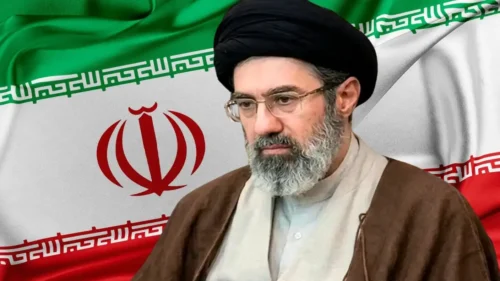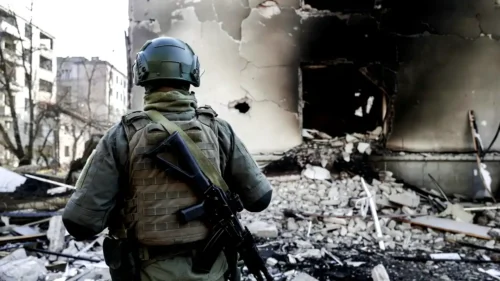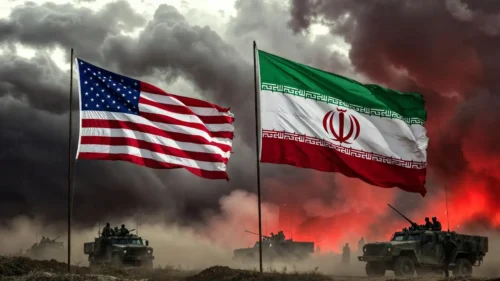

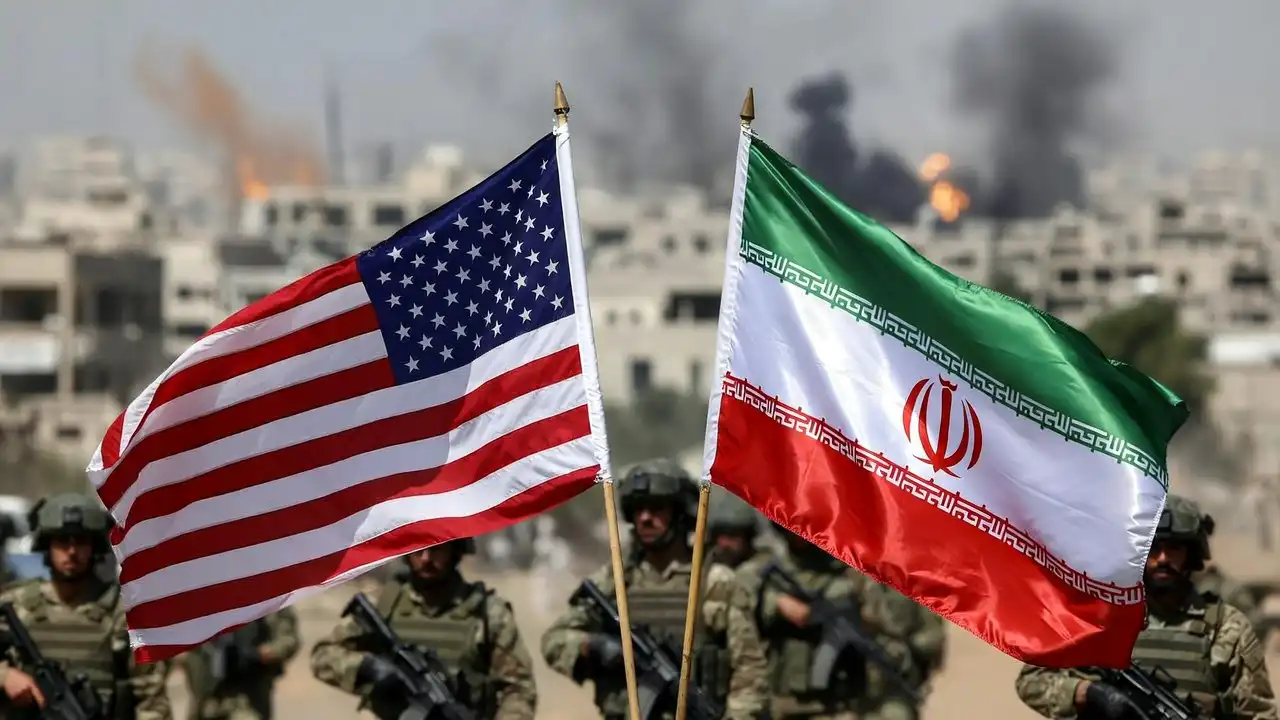
The United States and Iran just agreed to a 14-day ceasefire to halt their brutal war. While Pakistan officially brokered the peace deal late Tuesday night, Turkish media reports show that Turkey’s intelligence agency played a massive hidden role. The fighting began in late February and quickly threw the Middle East into absolute chaos. The violence shut down vital shipping lanes, delaying over 1 million barrels of crude oil every single day and hurting the global economy.
According to the state news channel TRT, the Turkish National Intelligence Organization stepped up when other diplomats failed. The agency, known as MIT, was one of the few groups able to speak directly with both Western countries and the Iranian government. Turkish spies even maintained a direct phone line with the Islamic Revolutionary Guard Corps. This rare access allowed Turkey to pass urgent messages back and forth across enemy lines.
The Turkish spies worked around the clock to keep communication channels open between the warring nations. They focused heavily on preventing deadly misunderstandings that could easily spark a wider regional war. MIT agents presented clear proposals to help both sides step back from the edge. They also coordinated their quiet efforts with multiple other intelligence services across the globe to ensure everyone heard the same message.
Although Pakistan took the public credit for leading the mediation, officials in Tehran openly admitted that Turkey provided essential help. Before the first bombs dropped in late February, Turkey actually tried to host direct peace talks between Washington and Tehran. Those early efforts failed, but Turkey never stopped trying to fix the problem. A diplomat stationed in Turkey recently confirmed that Ankara played a vital supporting role during the intense negotiations over the past few weeks.
This temporary peace deal brings massive relief to the global energy market. The war caused severe disruptions, making gasoline incredibly expensive for everyday drivers. Global shipping companies lost millions of dollars as they routed cargo ships away from the danger zones. Following the ceasefire announcement, global stock markets immediately jumped 1.5%, while oil futures dropped by nearly $5 per barrel. Investors clearly love the idea of a stable Middle East.
Turkish President Tayyip Erdogan officially welcomed the truce on Wednesday morning. Turkey sits in a very unique geopolitical position right now. The country serves as a loyal NATO ally to the United States, yet it shares a long 334-mile border directly with Iran. Erdogan knows a full-scale war right next door would flood his country with refugees and ruin the local economy. He strongly urged both sides to fully implement the ceasefire rules immediately.
Erdogan also issued a stern warning to everyone involved in the conflict. He told the warring nations to avoid any sneaky provocations or acts of sabotage during this fragile 14-day window. The Turkish leader wants the generals to keep their fingers off the triggers so the diplomats can do their jobs. MIT officials declined to comment on the news reports, choosing to stay quiet and focus on their ongoing secret work.
The entire world now watches the Middle East closely to see whether this brief pause in the fighting will last. If the ceasefire holds, mediators from Pakistan and Turkey plan to push for a permanent peace treaty. If either side fires a missile, the war will resume worse than before. For now, the guns remain silent, giving innocent civilians and global markets a much-needed chance to breathe.