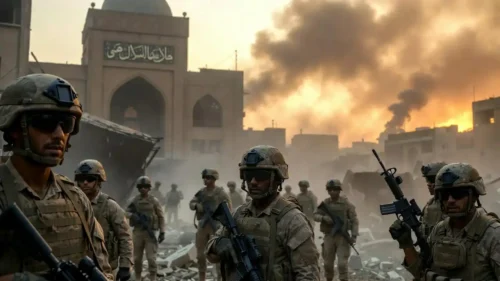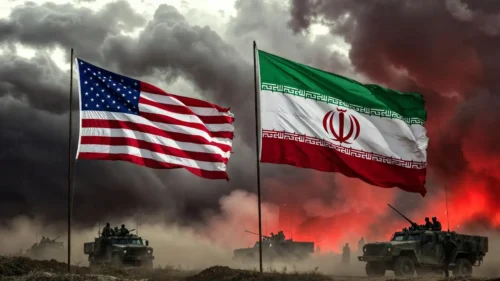

The United States and Israel are launching their heaviest military attacks yet against Iran. Defense Secretary Pete Hegseth stated the armed forces will not rest until they completely and decisively defeat the enemy. He emphasized that commanders will dictate the exact timeline for this mission. This aggressive Pentagon stance contradicts President Donald Trump, who recently suggested the war might end sooner than expected.
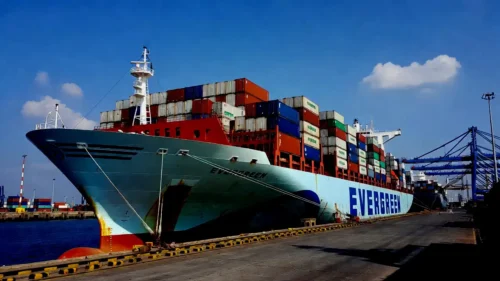
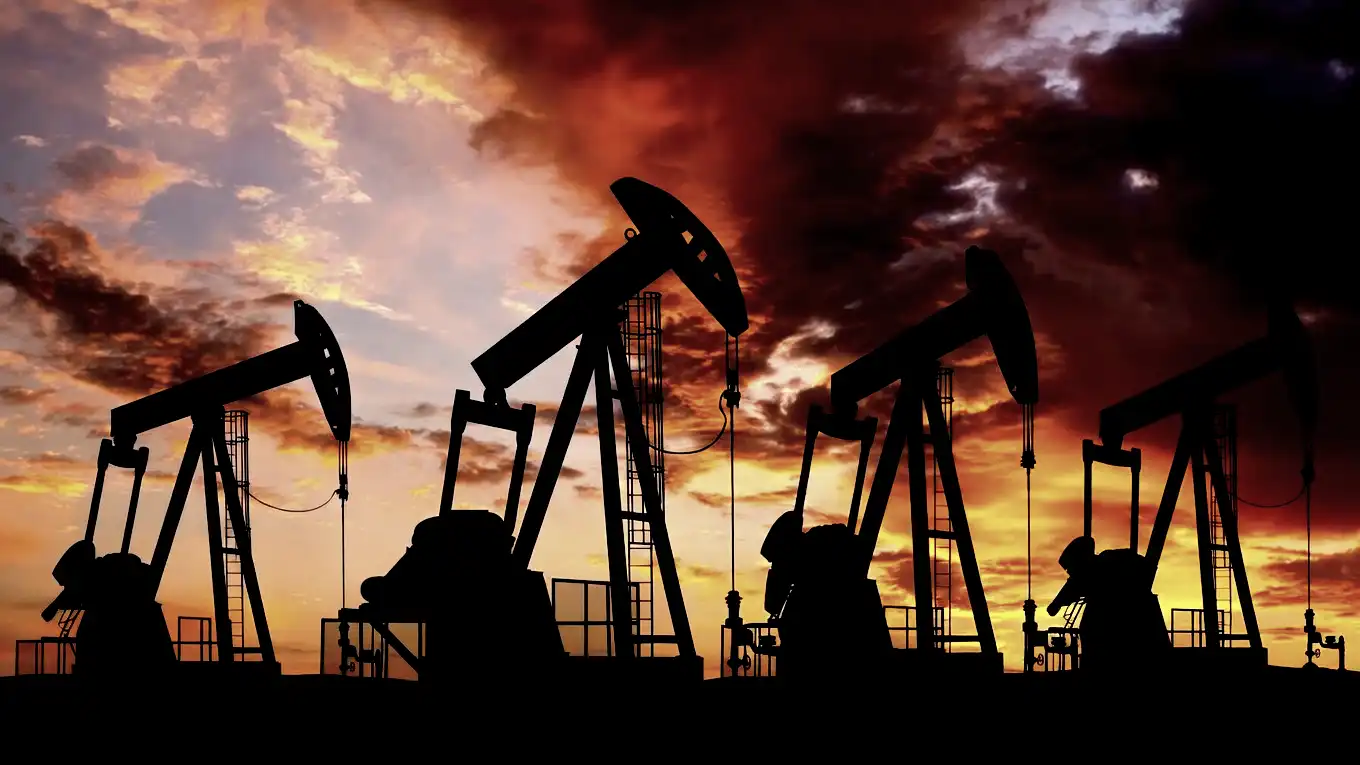
The rapidly spreading conflict has pushed Middle Eastern energy markets into a deep crisis. The vital Strait of Hormuz remains mostly closed to commercial shipping traffic. Major oil producers like Saudi Arabia, Iraq, and Kuwait slashed their daily production. In the United Arab Emirates, a drone strike hit the massive Ruwais oil refinery, sparked a fire, and forced managers to halt operations entirely.
To fight soaring energy costs, Trump announced the US Navy will escort oil tankers safely through the region’s dangerous waters. He also hinted he might lift certain sanctions on Russian oil after talking with Vladimir Putin. Trump desperately wants to lower global gas prices because expensive fuel and foreign wars could severely hurt the Republican Party during the upcoming November midterm elections. Recent polls show most Americans strongly oppose the war.
The intense violence has caused massive casualties across the region. Official reports show more than 1,300 Iranians have died since the brutal fighting began. The widespread war has also killed seven American troops, two Israeli soldiers, several Gulf citizens, and nearly five hundred people in Lebanon. Despite the danger, some Gulf airlines are slowly starting to resume flights to rescue thousands of stranded passengers.
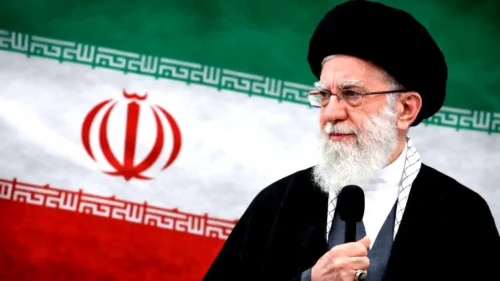
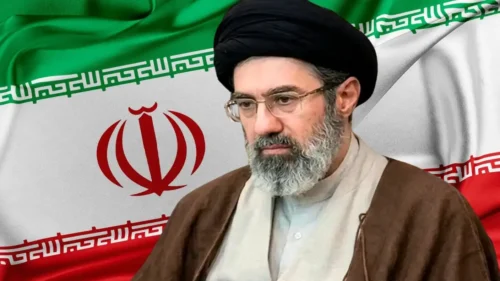
Inside Iran, officials recently chose Mojtaba Khamenei as the new supreme leader after allied missile strikes killed his father in late February. The new ruler holds deep connections with the powerful Islamic Revolutionary Guard Corps. Meanwhile, Iranian President Masoud Pezeshkian offered a compromise. He told Turkish leaders that Tehran will reduce its attacks only if neighboring countries stop letting foreign militaries use their local airspace to launch dangerous strikes.