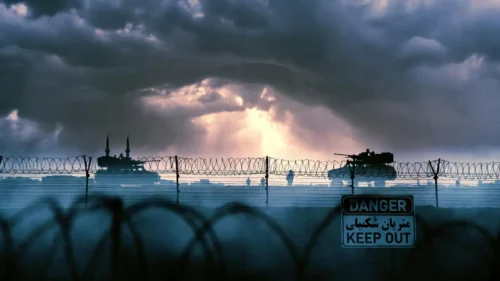

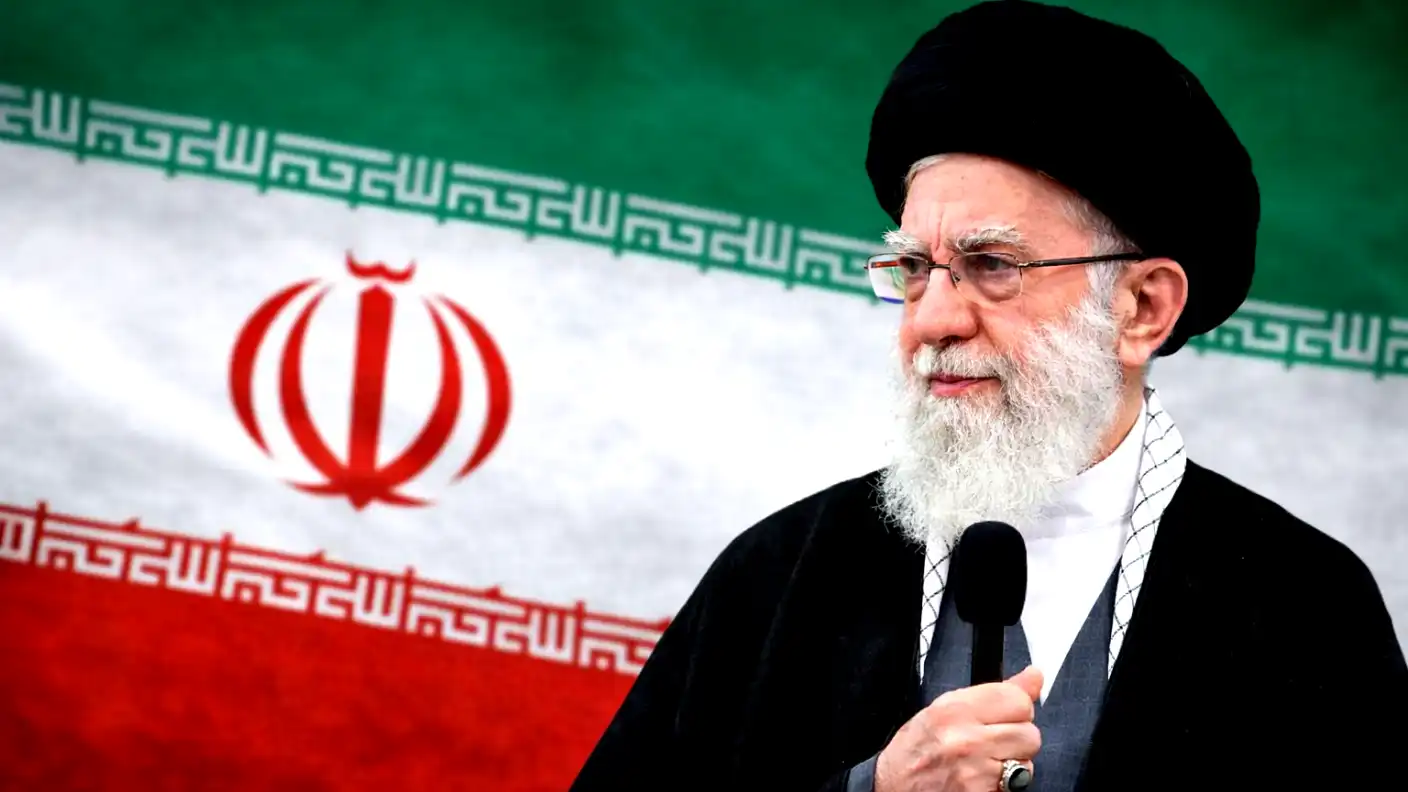
The United States and Israel launched a massive joint military operation against Iran early Saturday, targeting the nation’s nuclear program and leadership. President Trump announced on Truth Social that the strike successfully killed Iran’s Supreme Leader, Ayatollah Ali Khamenei, a claim the Iranian government later confirmed. The attack marks a dramatic escalation in the Middle East, pushing the region toward full-scale war and sending shockwaves through global energy markets.
Oil markets reacted instantly to the chaos. Futures on Brent crude jumped nearly 3% on Friday, and analysts warn prices could surge by another $10 to $20 per barrel when trading resumes Sunday night. Jorge León of Rystad Energy noted that Iran now holds the strategic initiative, and its response will dictate immediate market trends.
Saturday’s airstrikes pounded Tehran and other major cities following the collapse of diplomatic talks. In immediate retaliation, Iran fired missiles at US military assets and infrastructure across the Gulf. Reports confirm strikes on Saudi Arabia’s capital Riyadh, as well as airports in Dubai and Kuwait. Iranian missiles also targeted US bases in Qatar, Bahrain, and the UAE.
President Trump described the operation as a bid to annihilate Iran’s nuclear capabilities and naval power. In a stern warning, he told Iranian armed forces to choose between surrender or “certain death” and urged citizens to overthrow the remaining regime elements.
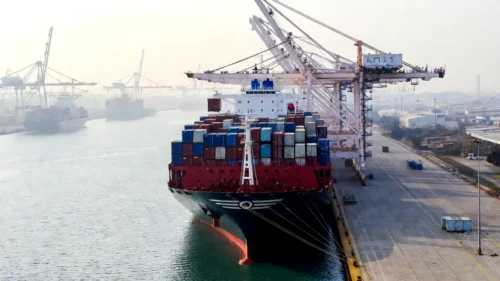
The conflict has placed the critical Strait of Hormuz in immediate danger. Iran’s Islamic Revolutionary Guard Corps radioed vessels, warning that no ship is allowed to pass. Major oil companies suspended shipments through the waterway minutes after the attacks began, fearing mines or direct strikes on tankers.
OPEC+ moved quickly to stabilize the market, raising its production quota by 220,000 barrels per day on Sunday. However, experts believe this slight increase will do little to calm fears as geopolitical risks reach new heights. With Iran normally supplying around 4% of the world’s oil, any prolonged disruption in the Gulf poses a severe threat to the global economy.