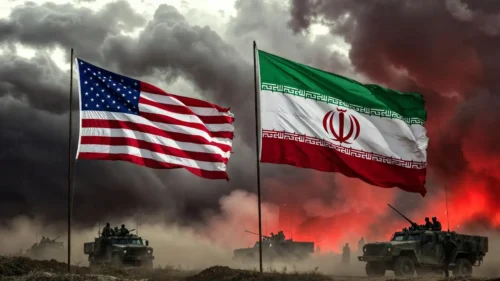

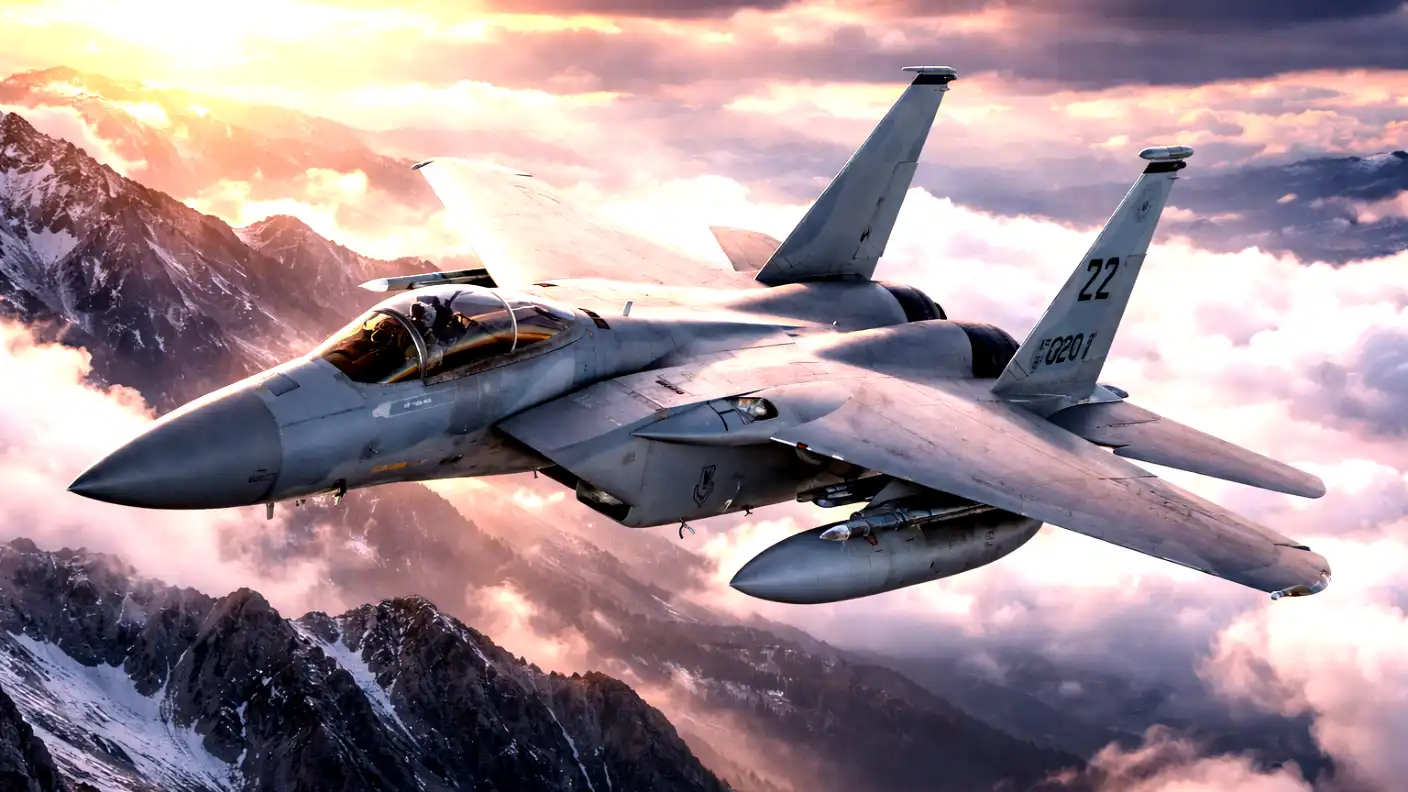
Iranian air defenses shot down a United States fighter jet over central Iran, according to state media reports. An unnamed American official confirmed the crash to Reuters shortly after the news broke across regional networks. The United States military immediately launched a search and rescue operation to locate the missing pilot in the hostile territory. Military helicopters and special operations teams face immense danger as they navigate enemy airspace to find their downed personnel. This dramatic event marks a major escalation in a rapidly expanding regional war.
The downed jet comes just hours after American forces destroyed a major bridge inside Iran. The bridge served as a crucial transport route for both military convoys and civilian supply trucks. Following the bridge attack, United States President Donald Trump openly pledged to launch more strikes against Iranian civilian facilities and power plants. His administration continues to push a hardline military strategy despite international warnings that attacking civilian infrastructure constitutes a war crime. Financial markets reacted nervously to these aggressive threats, causing regional trade indexes to drop by 2.4% in early morning trading.
Iranian President Masoud Pezeshkian quickly condemned the American president’s statements. He called Trump’s threat a clear admission of intent to commit a massive war crime. He demanded that the United Nations step in and hold American leadership accountable for these public threats. Human rights groups echo this sentiment, warning that power grid strikes will leave millions of innocent people without electricity, heat, or basic medical care. The verbal sparring between the two leaders only deepens the crisis and pushes the region closer to total devastation.
Meanwhile, the conflict continues spilling over into neighboring Gulf nations. Kuwait announced that unknown attackers targeted a critical water desalination plant and a major oil refinery within its borders. Authorities assess that the damage to the oil refinery alone could easily exceed $3.2 billion. Kuwait supplies a massive portion of global energy, and any disruption to its refineries sends panic through the global oil market. Tehran firmly denies targeting the Kuwaiti water plant, though Iranian officials proudly admit they fired a new wave of ballistic missiles directly at Israel.
Inside Iran, some political figures are actively seeking an exit strategy. Former Iranian Foreign Minister Javad Zarif publicly urged the government to declare a strategic victory and end the fighting immediately. Zarif outlined a detailed blueprint for how Tehran could negotiate a settlement with Trump. He argued that Iran could secure acceptable terms now rather than risk further destruction of its cities and military assets. Zarif believes that continuing the war only hurts the Iranian people and destroys decades of economic progress.
The human cost of this war continues to reach devastating levels. Since the current wave of American and Israeli attacks began on February 28, strikes have killed at least 2,076 people across Iran. Local hospitals report they have treated more than 26,500 wounded civilians and soldiers. Doctors work around the clock in overflowing trauma wards, struggling to find enough medicine and surgical supplies to treat the horrific injuries.
Diplomats face an uphill battle as they scramble to broker a lasting ceasefire. The downing of the American jet, combined with the destructive attacks on Kuwaiti energy infrastructure, complicates any potential peace talks. Both sides continue to trade heavy fire and aggressive public threats. The world watches anxiously as the situation deteriorates day by day. Unless international mediators can force a pause in the fighting, the civilian death toll will only continue to climb in the coming weeks.