
Modern conflicts are rarely simple. We often imagine war as two sides clearly defined by a front line, but the reality on the ground in Ukraine remains messy, chaotic, and incredibly hard to read. Recently, the Russian government announced that its forces captured new territory in eastern Ukraine. However, independent observers and frontline reports paint a much different, more complicated picture. This gap between official claims and ground-level reality highlights a major challenge of modern warfare: the battle for information is now just as fierce as the battle for land.
On top of these conflicting reports from the front, a disturbing new trend has emerged in the shadows. News outlets and security agencies have uncovered evidence that recruiters are using the messaging app Telegram to target Ukrainian teenagers, convincing them to commit acts of sabotage against their own communities. This combination of front-line confusion and digital manipulation shows that the war has reached deep into the lives of everyday people. It reminds us that we must approach every piece of information with extreme caution and look for the truth beneath the headlines.
The Gap Between Official Claims and Frontline Truth
Governments involved in a war almost always want to control the narrative. They want their own people and the world to see them as winning. When Moscow releases a statement claiming a breakthrough or the seizure of a village, we have to recognize the intent behind those words. Russia needs to show progress to its public and its commanders, so it often frames small tactical movements as major strategic victories.
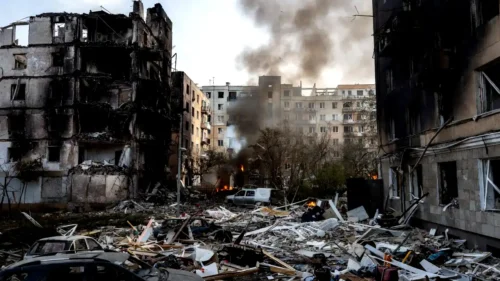
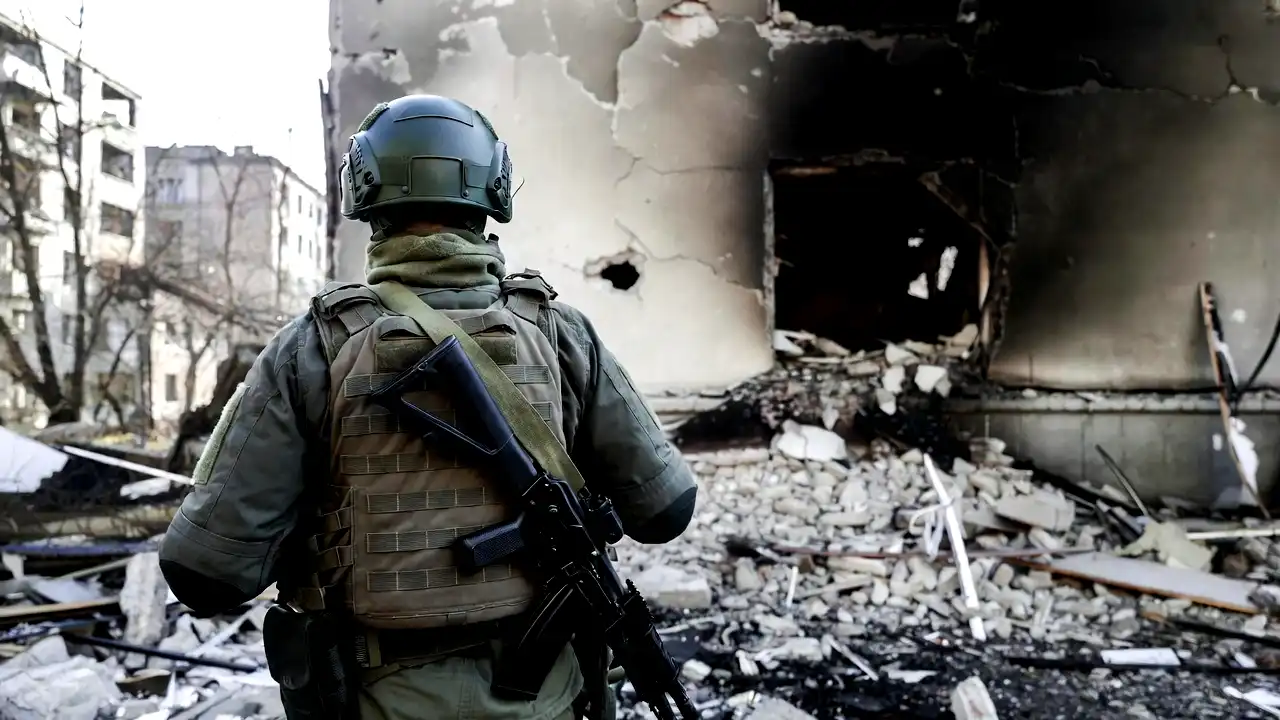
Independent reports, however, offer a vital reality check. These sources—which include satellite imagery, local civilian accounts, and analysis from military experts—frequently show that territory is not “seized” in the traditional sense, but rather “contested.” In this war, a village might change hands three times in a week. Artillery barrages often turn a patch of land into a no-man’s-land where neither side can safely plant a flag. When we read that territory is “seized,” we should understand it often means the area is now a graveyard of destroyed equipment, not a secure, functioning base for the victors.
The Digital Trap: How Telegram Becomes a Weapon
The most chilling development in this conflict involves the use of the app Telegram. It is a popular tool for private communication, but it has become a hunting ground for intelligence agencies and shadowy recruiters. They are finding vulnerable, impressionable teenagers and using promises of quick money or excitement to turn them against their own neighbors.
These recruiters are experts at manipulation. They don’t just ask a child to commit a crime; they build a fake sense of purpose. They often target teens who feel lonely or disconnected. The process usually looks like this:
- The Approach: Recruiters find vulnerable teens in chat groups or social media circles.
- The Connection: They build trust through private messages, slowly isolating the teenager from their parents and friends.
- The Task: They start with small things, like taking photos of military vehicles, and then escalate to setting fires, damaging rail lines, or marking targets for artillery strikes.
- The Payment: They offer small amounts of cryptocurrency or digital money to make the teenager feel like they are doing a professional job.
The Psychological Toll on the Younger Generation
We have to ask ourselves how a teenager reaches a point where they are willing to blow up a rail line in their own backyard. This war is not just destroying buildings; it is tearing at the social fabric of an entire generation. These kids have grown up seeing destruction, hearing air raid sirens, and living in a state of constant fear. Their sense of right and wrong has become warped by the daily grind of survival.
When recruiters enter this environment, they find a fertile ground for their manipulation. Sabotage becomes a way for a teenager to feel “powerful” in a world where they have no control. They stop seeing the rail line as vital infrastructure for their community and start seeing it as a video game target. This loss of empathy is one of the most tragic and long-term costs of the conflict. It will take years, if not decades, to help these young people process what they have done and why they were willing to do it.
Why Information Literacy Is Our Best Defense
In an age where a lie travels around the world before the truth gets its boots on, information literacy has become a survival skill. We are bombarded with footage from the war, but much of it is edited or taken out of context to manipulate how we feel. When we see a video of a soldier claiming a village is captured, we need to ask who filmed it, when it was filmed, and why it was released at that exact moment.
The best way to stay informed is to diversify our sources. If we watch only one news channel or follow only one social media group, we will see only the version of the war they want us to see. We need to look for:
- Diverse Reporting: Compare official government statements with what independent journalists on the ground are seeing.
- Fact-Checking Tools: Use reputable organizations that track military movements through open-source intelligence, which is data gathered from public sources like satellites and social media.
- Healthy Skepticism: If a story feels designed to make you feel purely angry or purely triumphant, it is probably being manipulated.
The Global Stakes of the Conflict
The war in Ukraine is not just a regional dispute; it is testing the strength of the global order. When we see Russia claiming territory and a breakdown in the rules of how wars are fought—such as the recruitment of minors for sabotage—it affects the security of the entire world. It sets a dangerous precedent for other nations that might want to redraw borders by force.
The world is watching to see how the international community responds to these tactics. If we allow the capture of territory to be accepted without scrutiny, and if we allow the exploitation of children to become a normal part of how this war is waged, we are signaling that the laws governing international conduct have lost their meaning. This is why it is so important for the global community to keep the spotlight on Ukraine, not just on the front lines, but on the humanitarian and ethical crises unfolding in the shadows.
Looking for a Path Toward Truth and Stability
The conflict will eventually come to an end, but the damage done to truth and to the next generation will be much harder to fix. We need to support the journalists who are brave enough to report from the front lines and provide the objective context that the public needs. We also need to support the families and local communities in Ukraine that are trying to pull their teenagers away from the digital predators on Telegram.
The fog of war is thick, but it is not impenetrable. By refusing to blindly accept official narratives and staying aware of the dark tactics used to recruit our youth, we maintain our own clarity. We must remember that behind every map, every “seized” territory, and every act of digital sabotage, there are real human beings whose lives are being destroyed. Recognizing the complexity of this war is the first step toward understanding the world we live in today.