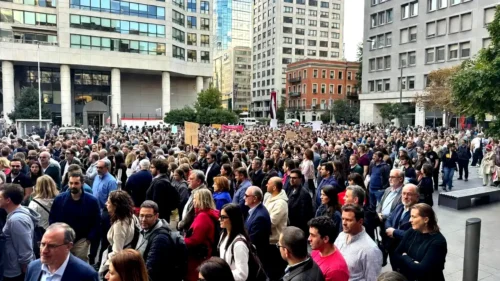

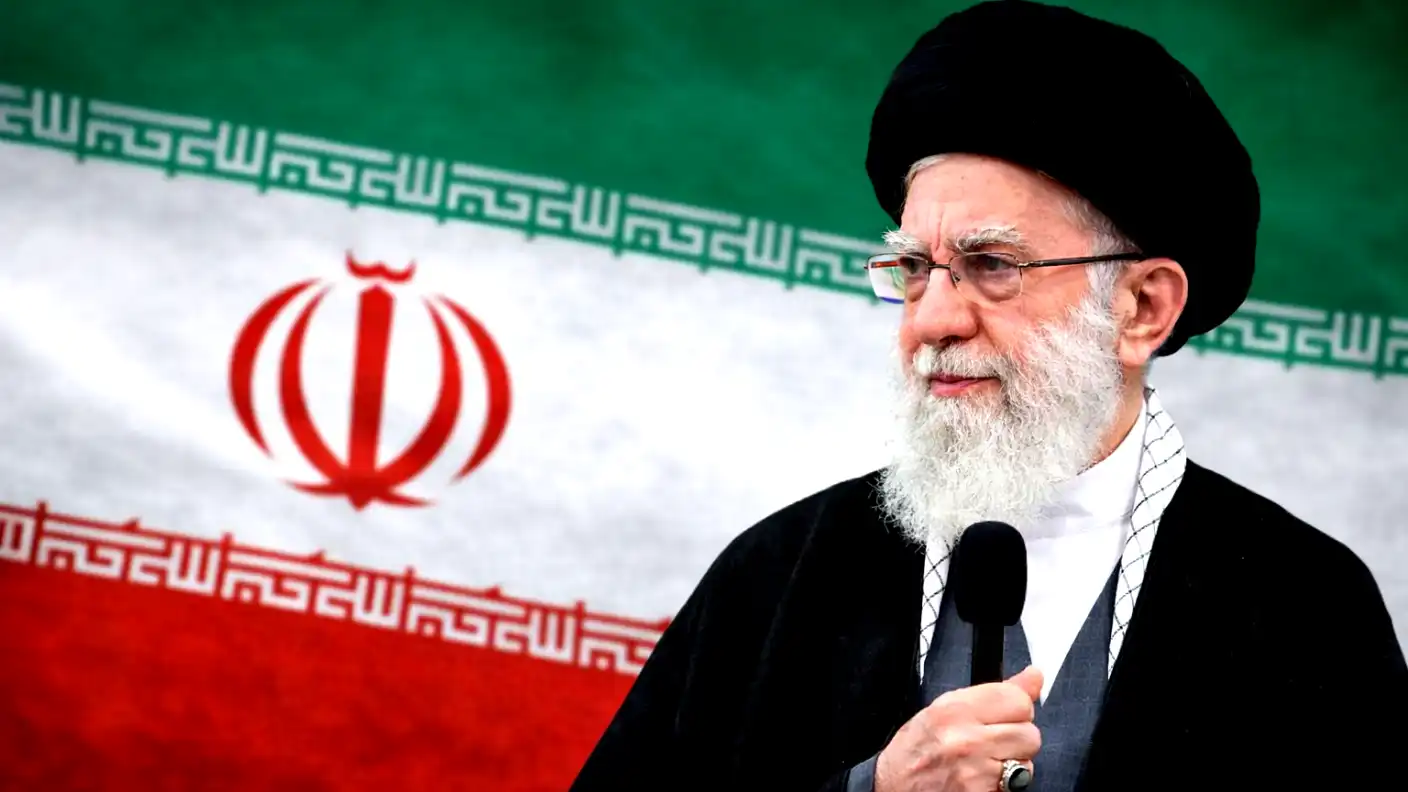
The Islamic Republic of Iran has launched a massive, week-long state funeral for its late Supreme Leader, Ayatollah Ali Khamenei, drawing tens of millions of mourners into the streets of the capital. On Saturday, a vast prayer complex in Tehran filled with sobbing crowds as the official ceremonies began with national anthems, religious eulogies, and Quranic readings. The high-profile event, which authorities expect will attract between 15 and 20 million people over the coming days, represents an unprecedented display of national mourning and geopolitical defiance. Shielded by a tentative, fragile ceasefire after months of devastating military conflict with the United States and Israel, the Iranian government is using the historic farewell to project an image of absolute survival and revolutionary resilience.
The historic burial is taking place more than four months after Khamenei’s death, a long and highly unusual delay that has fueled intense international speculation. The 86-year-old Supreme Leader, who ruled the country for over 36 years, was killed on February 28 during a massive, joint U.S.-Israeli airstrike that targeted his official compound in downtown Tehran at the very start of the war. Iranian officials explained that the volatile conditions of the active war made it far too dangerous to organize a mass public gathering earlier, forcing authorities to preserve the leader’s remains in high-tech cold storage as permitted under Shiite religious law. The implementation of the recent 60-day ceasefire has finally provided the stable security conditions needed to bring his body out of preservation.
The elaborate ceremonies began late on Thursday evening when authorities unveiled the leader’s casket to a tightly packed crowd of grieving supporters at the Imam Khomeini Grand Mosalla in Tehran. Television broadcasts showed the coffin draped in the national tricolor flag and topped with his black turban, signifying his direct lineage to the Prophet Muhammad. The casket was placed on a massive, black-clothed platform designed to resemble the Kaaba, the holy cube structure at the center of Islam’s most sacred site in Mecca. The platform also held the coffins of four other slain family members who died in the same February airstrike, including his eldest daughter, his son-in-law, and his 14-month-old granddaughter, Zahra Mohammadi Golpayegani.
Inside the vast courtyard of the Grand Mosalla, the atmosphere remained highly charged with grief and political fury. Thousands of black-clad mourners rhythmically beat their chests and heads in traditional Shiite mourning rituals, while billboards and banners emblazoned with the leader’s image lined every major street. Chants of “Death to America” and “Revenge, revenge!” echoed continuously through the complex, with video posts on state media showing crowds screaming vows to kill the perpetrators of the strike. Banners displaying a red clenched fist alongside the slogan “We must rise” dominated the capital, while organizers sprayed water on the crowds to cool them in the intense summer heat.
To emphasize the religious and political significance of the event, the Supreme Leader’s casket was draped in a sacred red flag bearing the white calligraphy “Ya Hussein.” The historic flag had been flown over the golden-domed shrine of Imam Hussein in Karbala, Iraq, and represents a powerful Shiite symbol of both the spilled blood of an unjustly killed leader and a direct call for holy vengeance. Mourners pressed forward in massive waves, throwing personal scarves and blankets onto the black platform so that attendants could brush them against the coffin to receive a sacred blessing before the body begins its long journey across the region’s great holy cities.
The week-long funeral has also transformed the capital into a major hub for international diplomacy, with high-profile delegations from across Asia and the Middle East arriving to pay their respects. Prominent world leaders, including Pakistani Prime Minister Shehbaz Sharif, along with senior diplomatic delegations from Turkey, China, and Saudi Arabia, walked past the casket to pay their final farewells. The presence of these foreign dignitaries demonstrates that despite Washington’s aggressive efforts to isolate the country economically and militarily, the theocratic regime maintains robust, high-performing diplomatic channels with major global powers.
The ceremonies featured a surprise public appearance by the country’s most powerful paramilitary commander, who had been in hiding for months. General Ahmad Vahidi, the commander-in-chief of the Islamic Revolutionary Guard Corps, broke cover on Thursday to sit alongside the Supreme Leader’s casket. Vahidi had not been seen in public since February 8, following his role in crushing domestic political protests and coordinating the country’s asymmetric warfare strategy during the 40-day war. His sudden emergence is a highly calculated display designed to show that the Guard’s leadership structure has survived the devastating Western airstrikes completely intact.
While civil leaders like President Masoud Pezeshkian, Foreign Minister Abbas Araghchi, and Parliament Speaker Mohammad Baqer Qalibaf paid their respects publicly, the events are being heavily scrutinized for any signs of the country’s new supreme leader. Ayatollah Mojtaba Khamenei, the son of the late leader, was officially named successor a week after his father’s assassination but has not been seen in any new images or appeared in public since reportedly being wounded in the same February airstrike. The lack of public appearances by the new leader has fueled intense rumors regarding his physical condition, raising concerns over a potential power vacuum if his transition of power stalls.
The massive scale of the funeral is taking place against a backdrop of gradual economic stabilization, as the tentative ceasefire continues to hold. Under the terms of the temporary agreement, the United States has waived its oil embargo, allowing tanker traffic to resume through the strategic Strait of Hormuz. This economic relaxation has allowed state energy firms to resume shipments, contributing to a minor 1.5% adjustment in global crude prices on Monday. Additionally, the government is preparing to receive $6 billion out of the $12 billion in blocked assets currently frozen in Qatari banks, providing a vital financial cushion as the country begins its postwar reconstruction.
Ultimately, the historic state funeral of Ayatollah Ali Khamenei represents a highly significant turning point for the future of the Islamic Republic. By mobilizing millions of citizens to mourn their slain leader after four months of war, the regime has successfully projected a powerful image of political resilience and social cohesion. While the unresolved questions surrounding the health of the new successor, Mojtaba Khamenei, and the threat of renewed conflict present ongoing challenges, the massive display of support shows that the clerical establishment remains firmly in control. As the funeral procession moves toward the Shiite centers of Qom, Najaf, and Karbala before his final burial in Mashhad, the country has made it clear that it will not stop defending its sovereignty.