

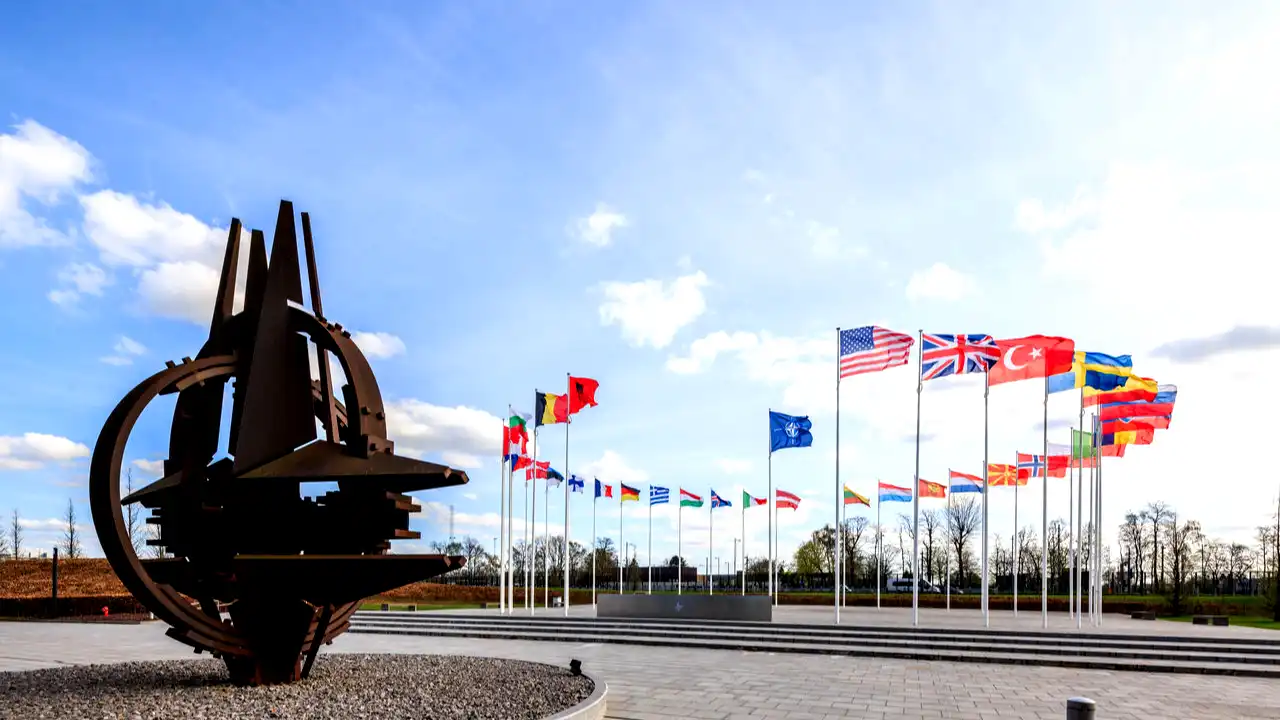
Plans for the next major gathering of the Western military alliance have been thrown into deep uncertainty as U.S. President Donald Trump continues to mount pressure on European allies over their defense budgets. According to draft documents prepared for next week’s high-stakes NATO summit in Ankara, Turkey, the alliance has quietly omitted any mention of holding its subsequent 2027 summit in Albania. This surprise omission represents a major concession to the Trump administration, which has repeatedly criticized smaller European allies for chronic military free-riding and failing to meet their financial commitments to the transatlantic security alliance.
The sudden removal of Albania from the draft summit declaration marks a sharp departure from the explicit commitments made during last year’s landmark summit in The Hague, Netherlands. In their joint 2025 statement, heads of state had formally declared that they looked forward to meeting in Turkey in 2026, followed by a subsequent meeting in Albania. However, diplomatic sources confirmed on Wednesday that the latest draft of the Ankara final statement contains only a vague sentence stating that the leaders look forward to their next meeting, completely omitting any mention of a specific date, year, or host nation.
This cautious editing of the official text is part of a highly coordinated, defensive strategy by European NATO members to avoid open clashes with the U.S. President during next week’s summit in Turkey. Diplomats acknowledge that hosting a high-profile summit in Tirana while Albania continues to lag in its military expenditures would almost certainly upset Trump, provoking highly damaging public rows and negative headlines that could undermine the alliance’s credibility. By leaving the location of the 2027 meeting completely blank, European leaders are attempting to deny the American President a convenient target for his anger.
The growing uncertainty over the Albania summit coincides with a separate, highly radical proposal currently being discussed behind closed doors by senior alliance planners. To minimize the risk of public diplomatic collisions with the White House, NATO is actively considering ending its long-standing practice of holding annual summits altogether, moving instead to a less frequent schedule of meetings. This major organizational change would allow European leaders to quietly implement their defense programs over several years, avoiding the threat of a tense, yearly encounter with a U.S. President who has consistently questioned the alliance’s relevance.
The intense scrutiny over national budgets stems directly from the ambitious defense spending targets established during last year’s summit in the Netherlands. In response to aggressive demands from Washington, all 32 member nations pledged to raise their total defense and security budgets to a massive 5% of their gross domestic product within a decade. Under this complex framework, allies committed to spending 3.5% of their GDP on core defense capabilities, such as troops, heavy weapons, and ammunition, representing a minor 1.5% adjustment to fund next-generation cybersecurity and critical infrastructure protections.
The drive to enforce these targets received a powerful, highly combative push last month during a defense ministers’ meeting in Brussels. U.S. Defense Secretary Pete Hegseth delivered a blunt ultimatum to European allies, declaring that the United States is launching a comprehensive, six-month review of all American troop deployments and military bases in Europe. Hegseth publicly criticized European partners as free-riders who have taken American taxpayer-funded security for granted, warning that future security cooperation must become a two-way street based on equitable burden-sharing.
While many larger European economies have rapidly scaled up their military budgets in recent months, Albania is among a small group of eastern allies that have struggled to meet even the previous, basic target of spending 2% of GDP on defense. While NATO Secretary General Mark Rutte has tactfully praised Tirana as a staunch and highly committed ally, the country’s low military spending has turned it into a primary target for the Trump administration’s budget hawks. Congressional planners have warned that hosting a major summit in a country that has failed to meet basic spending benchmarks would send the wrong signal, encouraging other allies to lag.
Faced with the threat of losing the summit and public humiliation, the Albanian government has scrambled to finalize a series of emergency fiscal measures to bring its defense budget in line with allied expectations. An official spokesperson for the Albanian government confirmed to reporters that Tirana is finalizing a specialized economic program to align its 2026 defense and security spending with the trajectory agreed upon at the Hague Summit. Once approved by parliament in the coming days, the new measures will raise Albania’s total security spending to 2.6% of its GDP, with 2.2% allocated to core military capabilities and 0.4% dedicated to broader security projects.
Despite these emergency fiscal efforts, Albanian officials are attempting to downplay the significance of their omission from the draft Ankara declaration. The government spokesperson in Tirana emphasized that drafts are simply working documents under active negotiation rather than final, binding decisions, noting that the text remains subject to change before next week’s meetings begin. However, diplomatic sources in Brussels remain highly skeptical, explaining that once a host nation is removed from a draft text to appease the United States, reinstating it during a high-stakes summit is incredibly difficult due to the risk of triggering an immediate presidential veto.
Ultimately, the complete removal of Albania from the draft summit declaration serves as a stark reminder of the immense influence that Donald Trump’s administration continues to wield over the Western alliance. By choosing to hold the location of the 2027 meeting hostage to enforce strict defense spending targets, Washington has successfully forced European capitals to prioritize fiscal compliance over diplomatic solidarity. While Albania’s emergency budget measures represent a brave attempt to save its hosting duties, the reality of the ongoing U.S. force reviews and the threat of annual summit cancellations show that the alliance is entering an era of intense, transactional relations. As global leaders prepare to gather in Turkey next week, the battle for the future of NATO has officially entered its most volatile chapter.















