

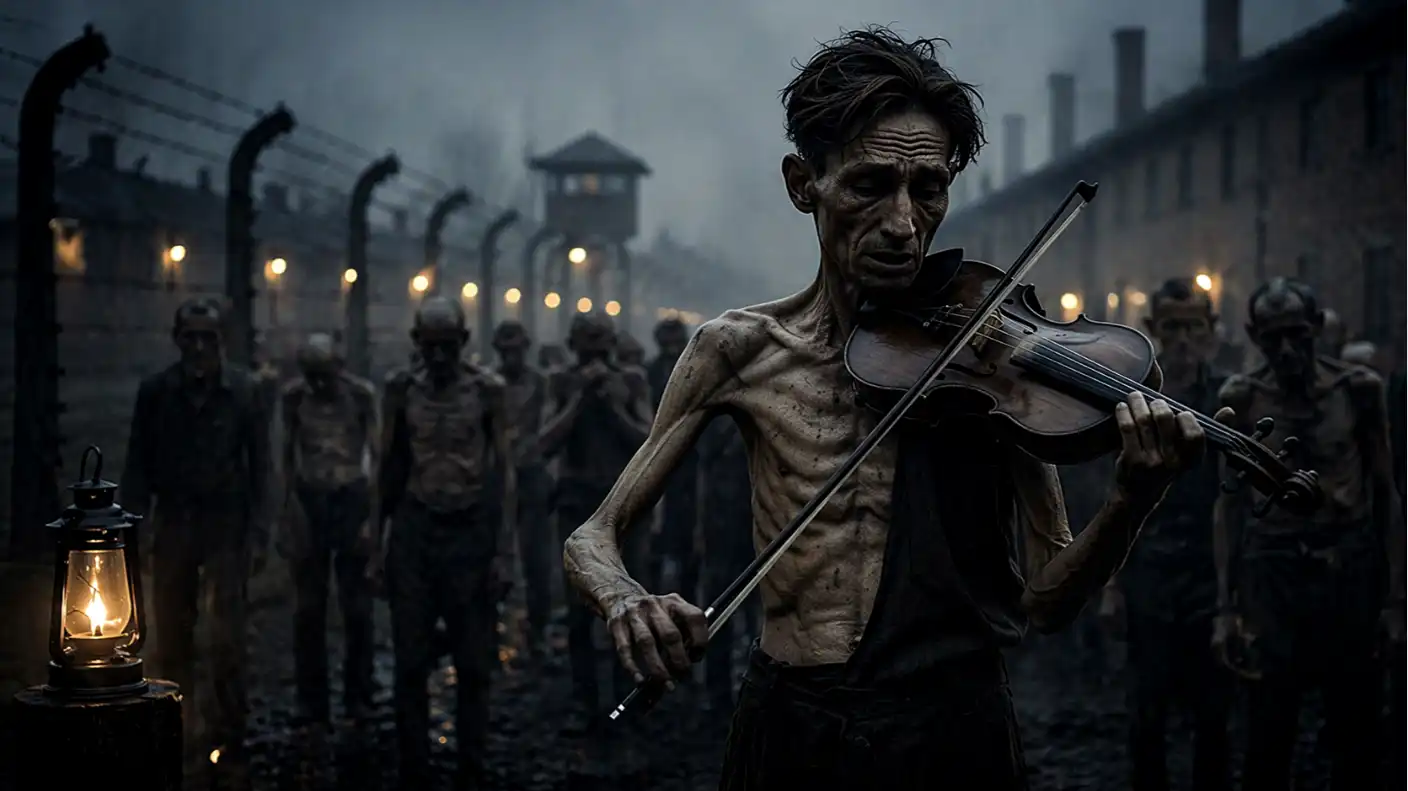
The internet once promised to bring the world closer together and make knowledge accessible to everyone. Today, that vision feels like a distant memory. Instead of libraries of truth, many social media platforms have become breeding grounds for lies, manipulation, and greed. A disturbing new trend has emerged that crosses a moral line many thought was unbreakable: spammers are using artificial intelligence to create fake, emotional images of the Holocaust. They use these images to trick people into clicking links, sharing content, and generating ad revenue. It is a disgusting way to make a quick buck, but it also does something much worse—it threatens our collective understanding of one of history’s darkest chapters.
We have reached a point where seeing is no longer believing. When technology makes it effortless to fabricate “evidence” of events that did or didn’t happen, the truth becomes a commodity people trade for profit. This issue is not just about a few bad actors trying to earn money from advertisements. It is about how we protect the memory of victims and prevent technology from erasing the past.
The Business of Lies: How Spammers Profit from Fake Tragedy
To understand why someone would create fake images of the Holocaust, you have to follow the money. Social media platforms reward engagement. When a post gets thousands of likes, shares, and comments, the platform’s algorithm pushes it to even more people. Spammers know this formula better than anyone. They create content that triggers a strong emotional response—sadness, anger, or empathy—because these emotions prompt people to stop scrolling and engage.
The process for these spammers is frighteningly simple:
- The AI Generator: They type a prompt into an AI tool, asking for a realistic-looking photo depicting suffering, war, or a historical concentration camp.
- The Emotional Hook: They post the resulting image with a caption that asks for “respect” or “awareness,” baiting people into liking or sharing it to show support.
- The Bait and Switch: Once the post gets traction, they edit it to include links to spam websites, junk products, or clickbait news stories that pay out for every visitor.
- The Algorithm Boost: The platform flags the post as popular and shows it to even more people, creating a cycle in which likes earn real money.
Why Fake Images of the Holocaust Are So Damaging
The Holocaust is a well-documented historical fact. We have thousands of authentic photographs, journals, and testimonies from people who lived through that horror. When people see authentic photos, they bear witness to the truth. When they see AI-generated fakes, they begin to lose their sense of what is real and what is manufactured.
The damage goes far beyond just one fake post. It creates a “pollution” of truth. If a young person sees a realistic AI-generated image and later learns it is fake, they might start to doubt the authenticity of real images, too. This is exactly what Holocaust deniers want. By flooding the zone with fake imagery, spammers make the actual history look like just another piece of “fake news” on the internet. It turns a tragedy into a subject for debate, which is an insult to the memory of everyone who died.
The Technical Deception: Can You Spot the AI?
AI image generators have improved at an incredible speed. Only a few years ago, AI struggled to draw hands or get textures right. Today, it can create pictures of crowds, barbed wire, and period clothing that look almost perfect to the naked eye. Most users scrolling through their phones in a hurry will never stop to check whether the shadows are off or the textures look like digital plastic.
However, if you know what to look for, the cracks in the technology start to show. AI still struggles with consistent logic in complex scenes. When you look closely at these fake Holocaust images, you might notice:
- Strange Faces: Look for people in the background who have blurred features or eyes that don’t look quite human.
- Impossible Text: AI often creates gibberish on signs or uniforms that looks like real language but doesn’t actually spell anything.
- Weird Details: Check for hands with too many fingers, clothes that blend into the skin, or objects that don’t make sense in the scene.
- Uniform Textures: Real historical photos have grain, dust, and specific photographic artifacts. AI images often look “too smooth” or perfectly polished in a way that old film cameras just couldn’t achieve.
The Responsibility of Platforms and Users
Social media companies love to talk about how they want to make the world a better place. They have teams of moderators and massive AI systems designed to catch spam and dangerous content. Yet, somehow, these fake Holocaust posts keep appearing in our feeds by the thousands. It feels like the platforms are failing to protect the truth because their business models rely on keeping people addicted to the feed, regardless of content quality.
We cannot rely on these companies to fix the problem on their own. As users, we have a responsibility to act as the first line of defense. We need to be skeptics. If a post looks too emotional, asks you to “share for awareness,” or comes from an account that looks generic and faceless, stop and think. Do not share it. When you share these posts, even with good intentions, you are helping the spammers make money.
Protecting History in a Digital Age
Memory is a fragile thing. If we allow it to be replaced by digital ghosts, we lose the lessons that history was supposed to teach us. We need a global conversation about how we label AI content and how we hold platforms accountable for the garbage that fills their feeds. We need better digital literacy in our schools so that the next generation learns how to check facts before they hit the “share” button.
We can take practical steps to preserve the truth:
- Reverse Image Searches: If you see a “historical” photo that seems new or strange, run it through a reverse image search tool. It will often tell you if the image appears on stock photo sites or AI art platforms.
- Check the Source: Look at who is posting the image. Is it a reputable museum, a historical archive, or a random page named “History Facts 101” that posts random memes alongside its “educational” content?
- Report the Spam: Do not just ignore the post. Use the platform’s reporting tools to flag it as “misinformation” or “spam.” It might not stop the account, but it adds up to a signal that platforms cannot ignore forever.
- Support Real Archives: Follow verified historical pages. When you share authentic photos from respected museums, you help drown out the fake, AI-generated noise.
The Long-Term Consequences of Digital Erasure
Imagine a world ten years from now where a student tries to look up the Holocaust and finds more AI-generated fakes than actual, historical documents. That future is not as far away as we think. The more we allow technology to blur the line between fact and fiction, the more power we hand to those who want to hide the truth.
This isn’t just about the Holocaust. The same technology is used to create fake images of current wars, political events, and natural disasters. Every time we let a lie stand, we make the world more confusing. The truth matters because history matters. We have a duty to the people who survived and to the millions who were lost to ensure their story is not rewritten by a computer algorithm designed to sell soap or supplements.
Moving Toward a Truth-First Internet
We don’t have to accept this reality. We can demand that platforms put “AI-generated” labels on every single image that is not human-made. We can demand that platforms stop paying out ad revenue to accounts that spread blatant misinformation. We can build a digital culture that values accuracy over engagement.
The internet is a tool, and like any tool, it can be used for good or evil. Right now, it is being used to cheapen our shared human history. It is up to us to turn the tide. By slowing down, thinking critically, and choosing to support real history over digital bait, we can protect the memory of what happened. We owe it to the past to make sure the future knows what is real.















