
The world watches with bated breath as the standoff between the United States and Iran reaches a fever pitch. For weeks, the rhetoric has grown sharper, military strikes have hit critical infrastructure, and the global economy has trembled due to the near-closure of the Strait of Hormuz. When tensions threaten the flow of 20 percent of the world’s oil and gas, the entire planet feels the consequences. However, amidst the threats of escalated bombings and crumbling power grids, a glint of diplomacy has emerged. Iran recently put forth a 10-point peace proposal, signaling a desire to shift from total war to negotiation. While the path remains incredibly steep, this move represents a crucial moment for global stability.
Diplomacy rarely follows a straight line, especially in a conflict where trust between the two main parties sits at an all-time low. The United States and its allies continue to push for specific, immediate concessions, while Iran insists on a more comprehensive, permanent resolution to the hostilities. By dissecting the key elements of Iran’s 10-point plan and the international reaction to it, we can better understand the massive hurdles standing in the way of a lasting 14-day ceasefire and, eventually, a sustainable peace.
The Pillars of Iran’s 10-Point Plan
While the specific details of the 10 clauses remain officially unpublished, the general outline reported through diplomatic channels provides a clear view of Tehran’s priorities. Iran is not just asking for a pause; it is demanding a structural change to the current regional dynamic. The proposal focuses on four main areas: regional security, freedom of movement, economic relief, and long-term stability.
By looking at the reported outline, we can see what Tehran believes is necessary to stop the fighting:
- An End to Regional Conflicts: Iran calls for a broad stop to the fighting that has spread from the Gulf to Lebanon, indicating a desire to de-escalate the multi-front nature of the current war.
- Strait of Hormuz Protocol: A major point is establishing a clear, mutually agreed-upon protocol to ensure safe passage for global shipping, addressing the international community’s primary economic concern.
- Sanctions Relief: The proposal calls for the lifting of sweeping sanctions, which Iran frames as a necessary step toward the economic reconstruction of damaged areas.
- Permanent Hostility Cessation: Iran rejects temporary truces, arguing that a short pause only serves to give the U.S. and Israel time to regroup, preferring a commitment to a lasting end to the conflict instead.
The White House Response: Measured Skepticism
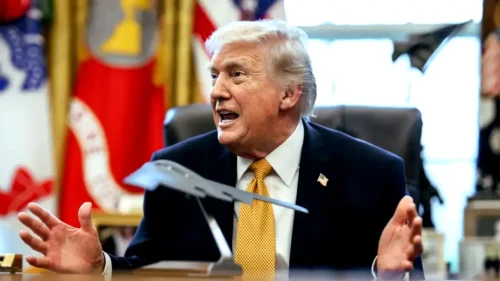
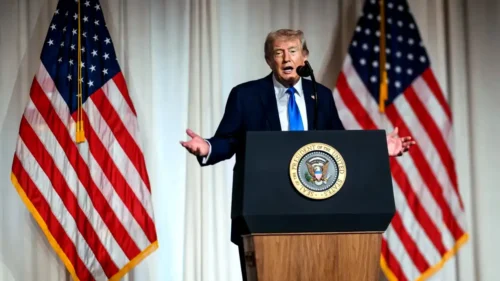
The White House’s response illustrates the immense gap between the two sides. President Donald Trump described the proposal as a “significant step,” acknowledging that Iran is finally engaging with a formal framework. Yet, in the same breath, he made it clear that the current offer falls short of American expectations. This back-and-forth is typical of high-stakes international crises where both sides use the media to exert pressure.
Trump’s response highlights the administration’s primary strategy: keep the pressure high while keeping the door to negotiation slightly ajar. By threatening further strikes on civilian infrastructure like power plants and bridges, the U.S. aims to force Iran’s hand. The administration views the proposal as “maximalist,” meaning they believe Iran is asking for too much while offering too little. The coming hours will decide whether this skeptical stance leads to a breakdown in communication or forces Iran to refine its offer into something more palatable to Washington.
The Difficulty of the 14-Day Ceasefire
A 14-day ceasefire, or any temporary truce, sounds like a simple solution on paper, but it is incredibly difficult to enforce in reality. For a ceasefire to work, both sides need to believe that the other will not take advantage of the quiet to move troops or launch sneaky attacks. Given the history of the last month, neither side trusts the other enough to let its guard down for even a single day.
The main obstacles to a successful short-term truce include:
- The Re-grouping Fear: As Tehran has pointed out, a two-week pause is a massive strategic advantage for any military hoping to re-arm, repair damaged equipment, or plan a major new offensive.
- Verification Challenges: Who monitors the ceasefire? Without a trusted third party on the ground to report violations, the smallest mistake could lead to a restart of hostilities.
- Public Perception: Neither government wants to look weak at home. A temporary truce can be framed by political opponents as a surrender, making it politically toxic for leaders who have promised victory.
Comparing Past Proposals: The “Maximalist” Deadlock
This is not the first time a peace plan has been rejected for being “maximalist.” Just last month, reports emerged that the U.S. had delivered a 15-point plan to Tehran through Pakistani mediators. That plan included a 30-day ceasefire, strict limits on Iran’s nuclear and missile programs, and the immediate opening of the Strait of Hormuz. In exchange, the U.S. promised to remove sanctions and support Iranian nuclear energy infrastructure.
Iran rejected that plan, calling it unreasonable and deceptive. The fact that both sides have now used the word “maximalist” shows just how far apart their starting positions are. The U.S. wants to remove Iran’s strategic assets—specifically its nuclear and missile capabilities—as a price for peace. Iran, meanwhile, sees these assets as the only thing preventing a full-scale invasion, so it refuses to dismantle them. This deadlock is the heart of the crisis: one side wants to disarm the other, while the other side fears that disarming is a suicide mission.
The Role of Mediators: Pakistan and the Sensitive Stage
Pakistan has emerged as a crucial bridge between the two powers. Because Pakistan maintains diplomatic ties with both Washington and Tehran, it has the unique ability to carry messages when direct lines of communication remain closed. Ambassador Reza Amiri Moghadam’s recent statements on X suggest that these back-channel efforts are entering a “critical, sensitive stage.”
The role of a mediator is incredibly delicate. They cannot force a deal; they can only facilitate the conversation. When Iran refuses to hold face-to-face talks with U.S. negotiators, intermediaries like Pakistan carry the heavy burden of interpreting intentions, clearing up misunderstandings, and lowering the temperature. The success of any peace deal depends largely on whether the mediator can convince the U.S. that Iran’s proposal is a serious offer and convince Iran that the U.S. is not merely using the talks to stall for time.
Why the World Cannot Afford Escalation
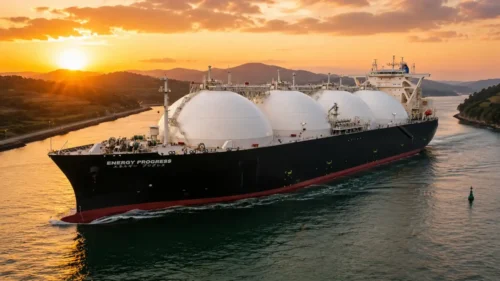
The cost of this war is not just measured in the military strikes hitting Natanz or the displaced millions in Lebanon; it is measured in the stability of the global economy. Twenty percent of the world’s oil and gas passes through the Strait of Hormuz. When that bottleneck closes, fuel prices skyrocket everywhere, from gasoline prices in America to the cost of shipping food across Africa.
The consequences of continued conflict are dire:
- Energy Instability: Any further escalation in the Gulf will cause oil markets to panic, leading to extreme price volatility that hurts everyone.
- Regional Instability: The conflict has already displaced over a million people, and it threatens to pull in neighboring countries, risking a broader regional war that nobody can control.
- Humanitarian Crisis: As seen in Lebanon, the civilian cost is mounting daily. Every day the war continues is another day where families lose their homes and hospitals struggle to operate under fire.
Moving Toward a Sustainable Resolution
Peace will not come through a 10-point plan alone. It will require the U.S. to accept that Iran is a regional power with specific security concerns, and it will require Iran to address international worries about its missile and nuclear programs. A permanent end to hostilities requires a deal in which both sides feel they have walked away with something, rather than one in which one side is humiliated by the other.
A stable path forward likely requires several things:
- Direct Communication: Back-channel diplomacy is great, but eventually, both sides need to sit at the same table if they want to build real trust.
- Phased De-escalation: Instead of demanding everything at once, both sides could agree to small, verifiable steps—like fully reopening the Strait in exchange for the lifting of specific, targeted sanctions.
- Third-Party Guarantees: A deal needs backing from the international community, perhaps through the UN or other neutral powers, to ensure both sides honor their commitments.
Final Thoughts: The Choice Between Hell and Diplomacy
The ultimatum set by President Trump—to open the Strait or face a “Power Plant Day”—is a brutal reminder of the stakes. Tehran has already threatened to retaliate if it is attacked. Both nations currently stand on the edge of a cliff. Iran’s 10-point proposal is an admission that the current situation is unsustainable, even for the regime in Tehran.
The upcoming days are the most important since the start of the conflict. Whether the two sides use this 10-point proposal as a foundation for negotiations or as a pretext to escalate violence will define the region for a long time. Diplomacy is almost always messy, frustrating, and slow. But in this case, it remains the only alternative to a war that could leave both nations—and the global economy—in ruins. The choice for both capitals is simple: continue down a path that leads to hell, or choose the difficult, imperfect work of finding common ground.