

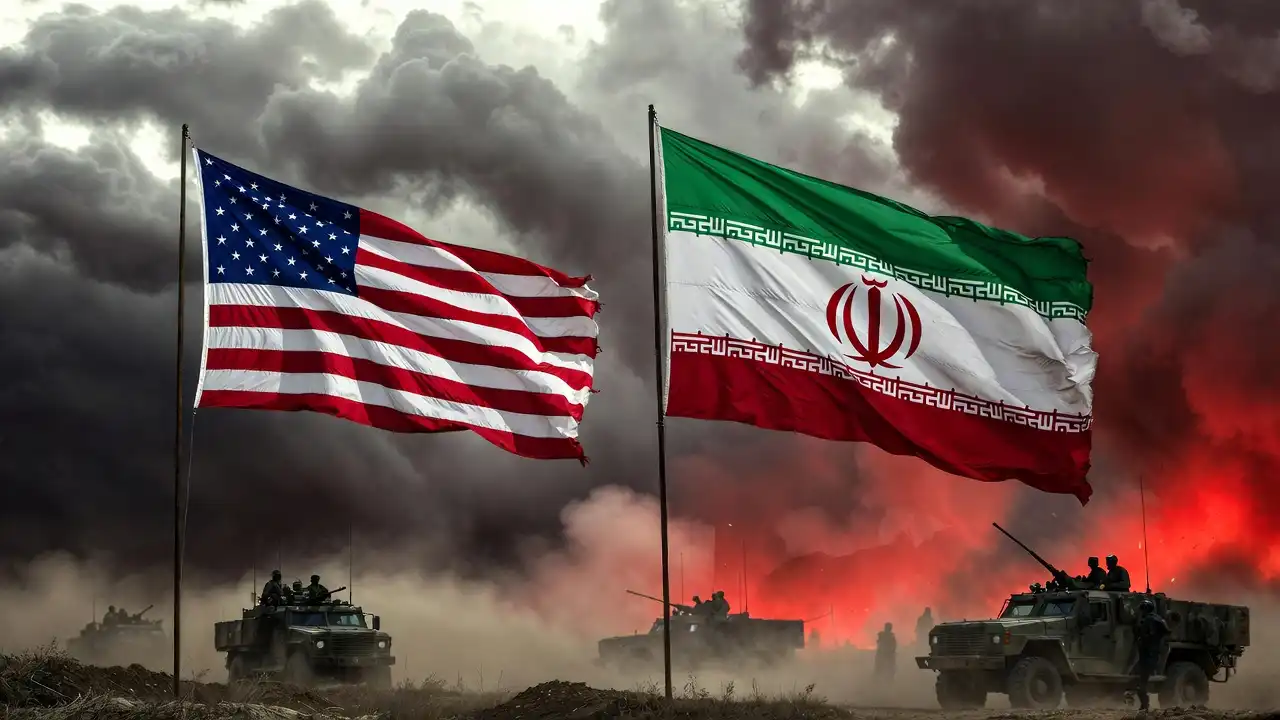
A second round of peace negotiations between the United States and Iran might happen very soon. A White House official confirmed on Tuesday that the Trump administration is actively discussing new meetings with Tehran. Leaders from both nations want to sit down at the table before their fragile 14-day ceasefire officially expires on April 21. While nobody has scheduled a firm date or time just yet, the desire to talk offers a small glimmer of hope for a region teetering on the edge of a massive war.
Diplomats expect the two sides to return to Pakistan to resume their talks. Earlier on Tuesday morning, officials from the Iranian embassy in Islamabad told reporters that the next round of talks could kick off later this week or early next week. This new attempt follows a highly frustrating weekend. Just a few days ago, negotiators left Islamabad completely empty-handed. The previous meetings collapsed because American and Iranian leaders could not agree on how to handle Iran’s nuclear ambitions. Instead of shaking hands, both sides angrily accused the other of changing the rules at the last minute.
Vice President JD Vance led the American delegation during that first failed attempt. He traveled alongside Special Envoys Steve Witkoff and Jared Kushner to push the American agenda. Following the collapse of the meetings, Vance placed the blame squarely on Tehran. He told Fox News on Monday that the American team put a lot of good offers on the table. Vance firmly believes the ball now sits entirely in the Iranian court, leaving Tehran to make the next diplomatic move.
Top Iranian officials paint a very different picture of the weekend meetings. They loudly suggest the United States bargained in bad faith. Iranian Foreign Minister Abbas Araghchi posted his frustrations online, claiming his team faced maximalist demands and a stubborn blockade from the Americans. Iranian parliamentary speaker Mohammad Bagher Ghalibaf echoed those sentiments, stating that the United States completely failed to earn Iran’s trust during the face-to-face sessions.
President Donald Trump responded to the scrapped talks with immediate military action. He announced a strict naval blockade in the Strait of Hormuz, a vital ocean trade route that normally handles a massive 20 percent of the world’s daily oil supply. United States Central Command quickly clarified the exact rules of this new blockade. American warships will now target any commercial vessels entering or departing Iranian coastal areas, specifically blocking all Iranian ports located on the Arabian Gulf and the Gulf of Oman.
This aggressive military move comes as shipping traffic through the narrow strait slows to a mere trickle. Shipping companies simply refuse to risk losing $100 million cargo vessels in a highly active conflict zone. Back on April 7, Trump proclaimed that he only agreed to the temporary ceasefire on the strict condition that Iran fully reopen the trade route. During a White House press briefing on Monday, the president expressed his deep anger over the closed waterway. He declared that America cannot let one single country blackmail or extort the entire world.
Despite the loud threats and mounting military tensions, financial markets remain surprisingly optimistic. The latest news reports and diplomatic signals keep hopes high that a real peace deal might actually materialize. When reporters broke the news about the upcoming second round of talks on Tuesday morning, global oil prices immediately dropped by nearly 2 percent. At the same time, the stock market rose as investors bet on a peaceful resolution. Both sides now face a ticking clock as they race to find common ground before the guns start firing again next week.















