

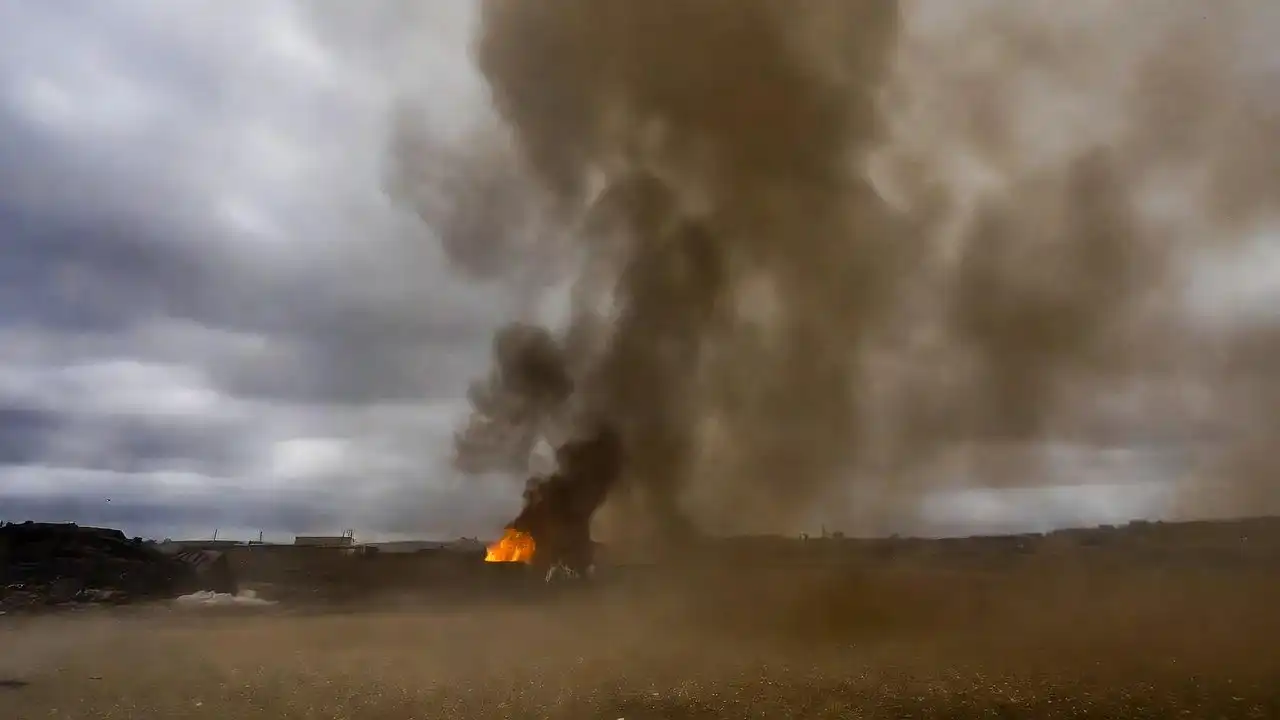
The ongoing war in Iran is hitting the German economy hard, even though the country has sent exactly 0 troops to fight in the conflict. German Finance Minister Lars Klingbeil recently confirmed that the violent overseas clashes are causing direct and painful financial damage back home. He spoke to reporters on Wednesday while attending the massive International Monetary Fund spring meetings in Washington. When journalists pressed him about the upcoming official government forecasts, Klingbeil refused to share specific details, explaining that his team is still preparing the final numbers for next week.
However, the finance minister did not hide the ugly truth about the current financial situation. He plainly stated that the German people can already see how this war harms their national economic growth. The International Monetary Fund backed up his gloomy assessment on Tuesday by officially slashing the growth forecasts for Germany. The global financial group now expects the German economy to grow by a sluggish 0.8% in 2026 and only 1.2% in 2027. These new, disappointing numbers represent a painful 0.3 percentage point drop from the previous estimates for both years.
Klingbeil strongly criticized the ongoing military actions in the Middle East during his interviews. He openly advocated for using smart diplomacy to stop the Iranian nuclear race instead of dropping bombs and launching missiles. The finance minister stated clearly that he is not convinced that spreading violent conflict across the region is the right way to solve these complex problems. He expressed strong hopes that diplomatic channels will eventually lead to a lasting, viable peace solution that will stop the bloodshed and stabilize global energy markets.
The crisis abroad is forcing German leaders to take drastic action at home. Klingbeil argued that pushing through major structural reforms is the only real answer to the multiple crises the country currently faces. He believes these big changes will finally make Germany fit to handle the unpredictable challenges of the future. To help everyday citizens survive the sudden spike in energy costs caused by the war, the German coalition government agreed on Monday to pass a massive relief package. This emergency financial aid will provide exactly 1.6 billion euros, or roughly $1.9 billion, to help ordinary consumers and struggling local businesses pay for their skyrocketing fuel bills.
Some critics worry that the government is spending too much time reacting to the overseas war rather than addressing problems at home. However, Klingbeil strongly disagreed with that idea. He explained that responding to the harsh consequences of the war in Iran and implementing long-term structural reforms are not mutually exclusive tasks. The government can easily do both things at the same time.
In fact, the finance minister sees the current crisis as the perfect motivation to change how the country operates. He argued that because Germany desperately wants to move away from relying on foreign energy dependencies, the nation must pursue a path of consistent, aggressive reform. Klingbeil wants to make the German economy significantly more resilient, much stronger, and entirely sovereign. By breaking free from unreliable foreign oil and gas, Germany hopes to protect its citizens from future global conflicts that usually send energy prices through the roof.















