

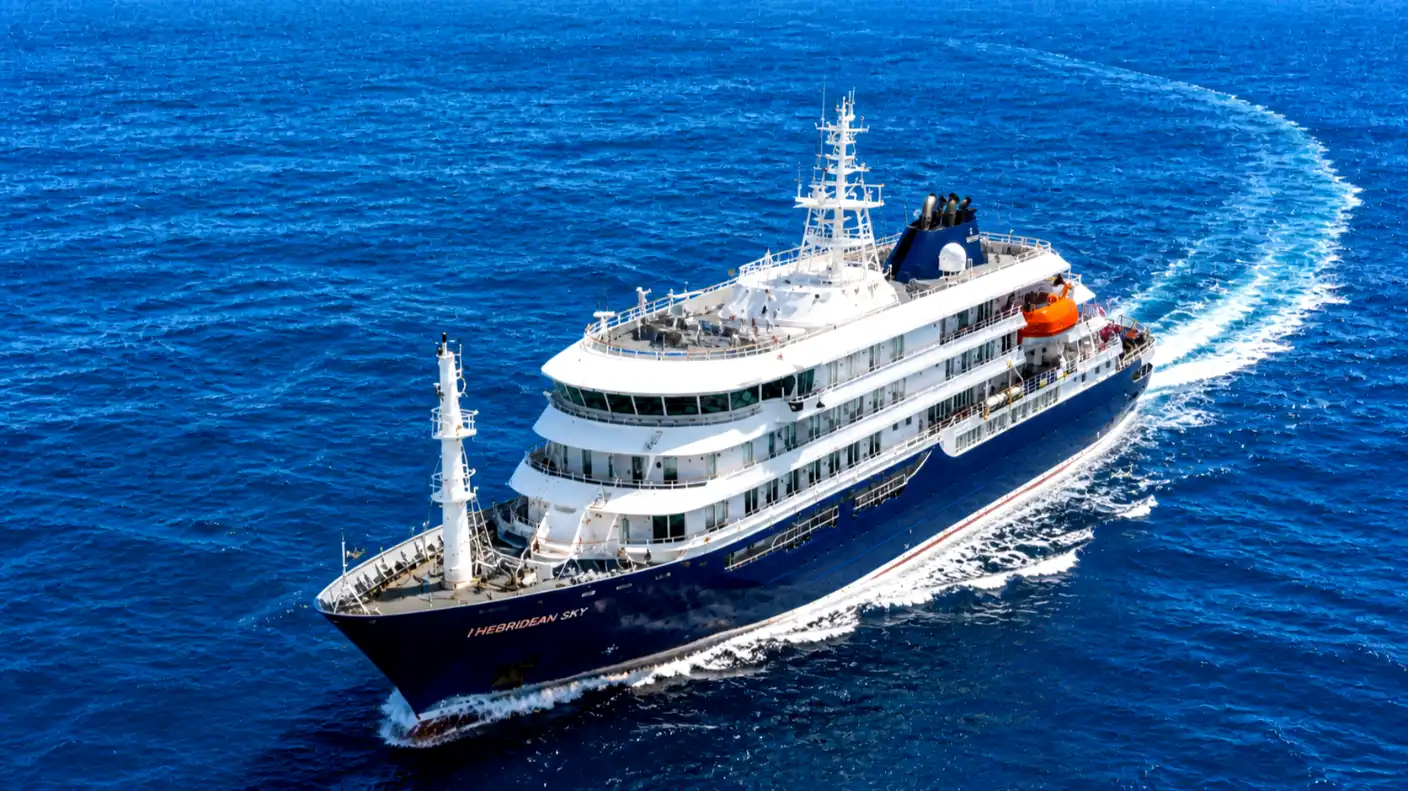
The Australian government announced on Thursday that it is extending the mandatory quarantine period for six passengers who recently returned from a virus-stricken luxury cruise ship. Health Minister Mark Butler confirmed that the six individuals, who have been in isolation since mid-May following a deadly hantavirus outbreak aboard the Dutch-flagged vessel MV Hondius, must now remain in quarantine for a total of 42 days. This major decision extends their isolation until June 23, protecting the public from a highly unpredictable and dangerous global health threat.
The quarantined group consists of four Australian citizens, one permanent resident, and one New Zealand resident. The passengers originally returned to Australia on a specialized repatriation flight on May 15. Since their arrival, they have lived inside the Bullsbrook Centre for National Resilience, a modern quarantine facility located north-east of Perth in Western Australia. Under the initial government orders, the group expected to leave the facility on June 5, but public health officials decided to prolong their stay.
The sudden decision to double the isolation period follows alarming new medical reports from overseas. Health Minister Butler explained that international health agencies recently confirmed two additional hantavirus infections linked directly to the same cruise ship voyage. These new cases involve a crew member currently in the Netherlands and a passenger residing in Spain. This fresh evidence proved to Australian health experts and the World Health Organization (WHO) that the risk of delayed onset and person-to-person transmission has not yet passed. The government had originally set a three-week quarantine period under the Biosecurity Act, but the shifting medical data forced them to extend the orders before their planned expiry date.
These two new infections bring the total number of confirmed hantavirus cases tied to the MV Hondius to exactly 13. The outbreak first made global headlines earlier this month when several travelers became severely ill. The World Health Organization confirmed that the rare and deadly Andes strain of the hantavirus caused the outbreak. The virus has already claimed the lives of 3 passengers, including a Dutch couple and a German national, triggering massive panic across the international maritime industry.
Despite the extended quarantine, all six individuals inside the Western Australian facility remain in excellent health. Minister Butler confirmed that none of the quarantined passengers have shown any physical symptoms of the disease. Furthermore, the group recently underwent polymerase chain reaction (PCR) tests within the last 24 to 36 hours, and all six results were completely negative. However, because the virus has a highly unpredictable incubation period of up to six weeks, medical experts insist on keeping them isolated until the full 42-day window has passed.
Hantavirus is a rare but potentially serious respiratory disease that typically spreads to humans through direct contact with infected wild rodents. People usually catch the virus by inhaling dust contaminated with rodent urine, saliva, or droppings. While person-to-person transmission is historically very uncommon for most hantavirus strains, the specific Andes strain involved in this cruise ship outbreak is the only variant known to jump directly between humans. This rare capability explains why health authorities are acting with extreme caution.
The global community has taken unprecedented steps to contain the potential spread of this dangerous pathogen. Currently, about 23 different countries have established strict quarantine and monitoring arrangements for passengers who returned from the cruise. Spain recently modified its strict protocols, allowing passengers who test negative to spend their final 14 days of quarantine at home. However, Australia is taking a much tougher line, spending over $5 million to maintain this strict quarantine environment. Australian officials also coordinate directly with international laboratories to share genetic data from the virus, helping researchers develop a potential vaccine.
This growing health crisis adds another layer of financial stress to a global travel and tourism sector already struggling with high costs. The ongoing war in the Middle East has disrupted international oil shipping, pushing fuel prices higher and driving global inflation up by an extra 1.5% over the past two months. These combined crises have cost the global travel industry over $1 billion in lost revenue and extra security compliance this month alone, causing a 1.5% drop in airline stock values. Despite these heavy economic burdens, Minister Butler insisted that the government must prioritize public health and follow the strict advice of the World Health Organization.
For now, the six passengers north-east of Perth must settle in for another three weeks of isolation. The Australian Medical Assistance Team and local public health officials will continue to run daily check-ups and conduct periodic testing to monitor their condition. If the group remains healthy and continues to test negative until June 23, they will finally receive permission to return to their normal lives. The government’s swift, precautionary response shows that Australia is determined to act like a fortress against emerging global health threats.















