

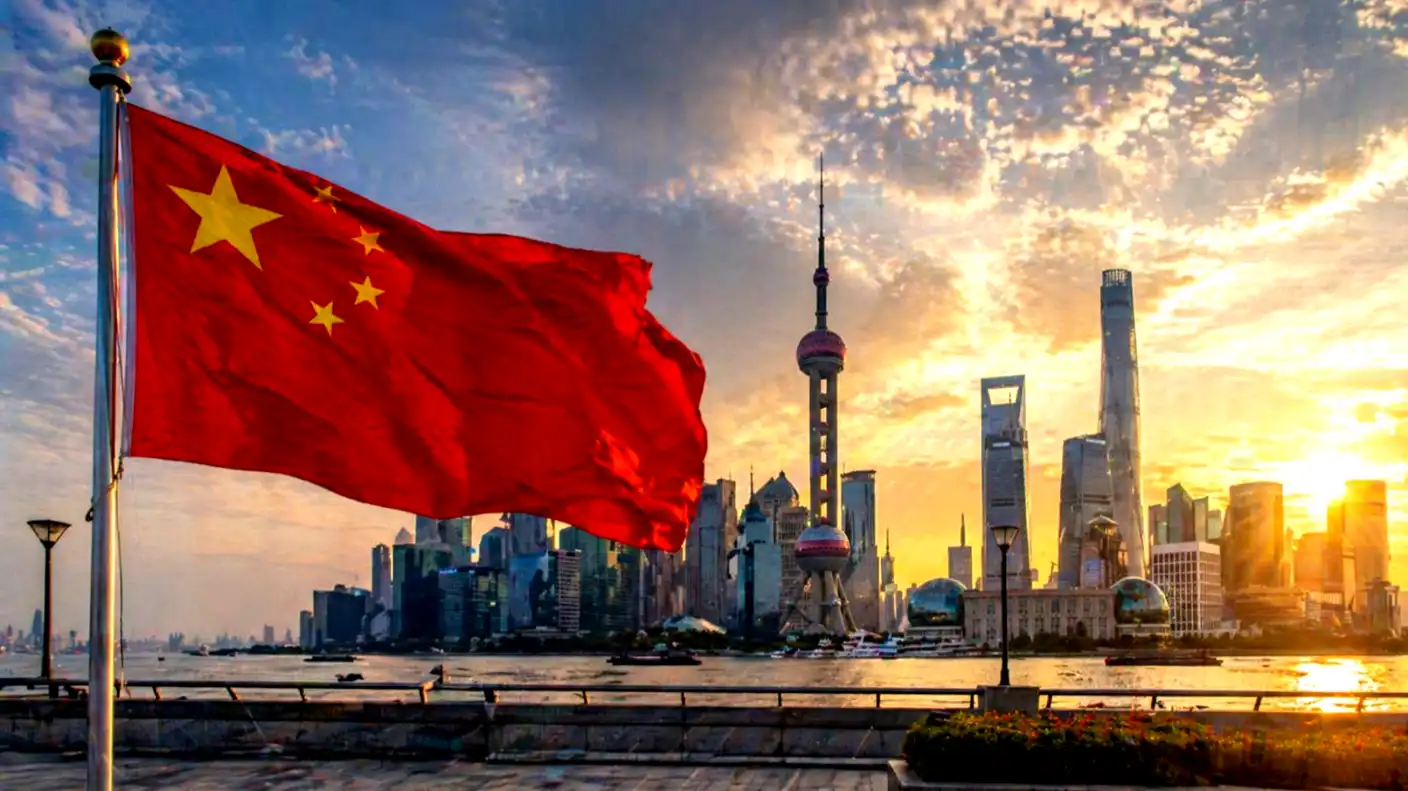
Walk near any major international shipping port today, and you will see massive cargo ships sitting heavily in the water. Many of these ships come from China, packed tight with electric vehicles, solar panels, and high-tech batteries. From the outside, this looks like the picture of a booming, unstoppable economy. Yet, a look inside China tells a very different story. The country faces a quiet economic crisis. People are not spending money, prices are dropping, and businesses struggle to sell their goods at home. This situation forces Chinese factories to look outward, sending their products across the globe at rock-bottom prices.
This massive outward push creates a difficult situation for the rest of the world. Global leaders want affordable clean energy technology to fight climate change, but they also want to protect their own factory workers. As China attempts to export its way out of an economic slump, the strategy is sparking fierce trade disputes with countries that fear losing their own industries. We need to look closely at how this dynamic works and why it matters to every corner of the global economy.
The Reality of the Deflation Trap
To understand why China pushes its products outward so aggressively, we first need to look at what happens inside the country. For decades, the Chinese economy grew through a massive real estate boom. People bought apartments as investments, and construction companies built entire cities at lightning speed. Eventually, that bubble stopped growing. Property values began to drop, and many construction companies ran out of money.
When ordinary families see their biggest investment lose value, they panic. They stop spending money on extra things like new cars, electronics, or clothes. They save every penny they can. When millions of people stop spending, stores have to cut prices to attract buyers. This general drop in prices is what economists call deflation. Deflation sounds like a good deal for shoppers, but it acts like poison to an economy. When prices drop, people wait to buy things because they assume the item will cost even less next month. Factories earn less money, so they stop hiring and cut wages. This makes people save even more, and the downward cycle continues.
A Factory-First Economic Strategy
Most governments try to address a spending slump by putting cash directly into consumers’ hands. They might offer tax breaks, send out stimulus checks, or increase social safety nets. The Chinese government takes a different path. Instead of focusing on the consumer, Beijing focuses on the factory floor. The state directs massive loans and subsidies to manufacturers, pushing them to build more advanced products.
The logic behind this strategy relies on dominating global supply chains. Chinese leaders believe that advanced manufacturing will replace real estate as the engine of their economy. They want to make high-value goods that the whole world needs. However, since domestic buyers still refuse to spend, these factories produce far more goods than the country can use. They have to sell these items somewhere, so they look to foreign markets.
Dominating the Clean Energy Future
The world is currently moving away from fossil fuels, and China sees this transition as its biggest opportunity. Chinese leaders decided years ago to invest heavily in the industries of the future. They did not just want to participate in the green energy transition; they wanted to own it.
Today, Chinese companies control the vast majority of the global market for green technology. They manage the entire process from start to finish. They secure the raw minerals, process the metals, build the batteries, and assemble the final electric vehicles. Because the government supports these companies with cheap land, low-cost loans, and subsidized electricity, they can produce products at much lower cost than companies in Europe or the United States.
We see this dominance play out across a few specific green technology sectors:
- Electric vehicles offer buyers high-tech features and long battery life at a fraction of the cost of Western competitors.
- Solar panels roll off Chinese assembly lines in such massive numbers that the global price of solar power has plummeted.
- Large-scale energy storage batteries provide the cheap infrastructure needed to support wind and solar farms around the world.
The Global Market Floods with Cheap Goods
When you combine a domestic deflation trap with a massive push for green manufacturing, you get a flood. Chinese companies must sell their overstock, and they offer prices that foreign competitors simply cannot match. Cargo ships carry these discounted solar panels and cars into ports across Europe, the Americas, and the global south.
At first glance, cheap solar panels and affordable electric cars seem like a great deal for a planet fighting climate change. Consumers get access to green technology without emptying their bank accounts. However, this flood of goods threatens to wipe out local businesses. If a company in Germany or the United States tries to produce solar panels, it cannot compete with the heavily subsidized prices from China. If they cannot compete, they go bankrupt, and thousands of local workers lose their jobs.
Trading Partners Push Back Hard
Foreign governments refuse to sit back and watch their own industries collapse. Leaders in wealthy nations and developing countries alike argue that China does not play by the rules of fair trade. They claim that the massive state subsidies give Chinese companies an unfair advantage, creating an uneven playing field.
To stop the flood of cheap imports, countries raise their defensive walls. They implement tariffs, which are extra taxes placed on foreign goods as they cross the border. By artificially raising the prices of Chinese products, governments hope to give their local factories a fighting chance.
This reaction triggers a chain of escalating trade tensions. When one country puts a tariff on Chinese electric vehicles, China often retaliates by placing a tariff on foreign agricultural goods or luxury products. The world is moving away from open, free trade and back into protectionism. This environment makes international business much harder and more expensive for everyone involved.
The Climate Change Dilemma
This trade standoff poses a significant challenge to environmental goals. The world desperately needs to cut carbon emissions, and doing so requires massive amounts of green technology. If countries block cheap Chinese solar panels and batteries from entering their markets, the cost of fighting climate change goes up significantly.
Governments face a terrible choice. They must decide whether to save local manufacturing jobs or speed up the green energy transition. If a country bans cheap electric vehicles to protect its own legacy automakers, fewer citizens will switch away from gas-powered cars. The transition to a clean economy slows down just when scientists say we need to speed up.
What This Means for the Future
The current dynamic cannot last forever. China cannot continue to build factories and export endless supplies of goods while its own citizens refuse to spend money. Eventually, the global market will run out of room to absorb the excess, especially as more countries put up high tariff walls.
For the global economy to balance out, major changes must happen. China will need to find a way to encourage its own people to buy more goods, which will require building a stronger social safety net so that citizens feel secure enough to stop hoarding cash. Meanwhile, other nations will need to figure out how to compete in the clean energy space without starting a global trade war that harms everybody. Until these massive structural shifts occur, the world will continue to walk a tightrope between economic survival, factory jobs, and the urgent need to protect the planet.















