
United States Defense Secretary Pete Hegseth faced intense questioning from American lawmakers this week. In his first appearance on Capitol Hill since the war with Iran began over two months ago, Hegseth clashed with politicians over the true cost of the conflict. The Pentagon claims the US has spent roughly $25 billion so far, mostly on expensive munitions and equipment maintenance. However, Democratic leaders and several prominent economists firmly believe that the number severely underestimates the actual financial damage. They argue that the true cost to the US economy and its 330 million citizens could easily range from $630 billion to a staggering $1 trillion.
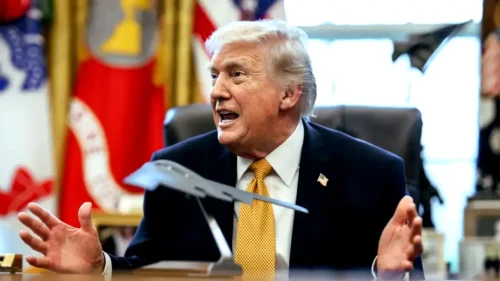
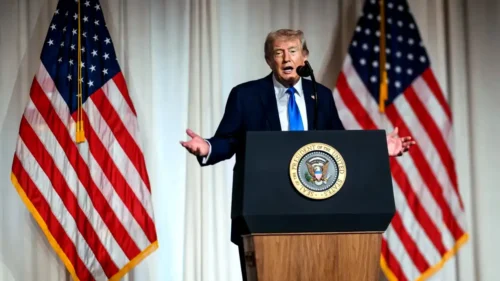
Hegseth did not hold back during the House Armed Services Committee hearing. He attacked the politicians who questioned President Donald Trump’s handling of the Middle East conflict. “The biggest challenge, the biggest adversary we face at this point are the reckless, feckless, and defeatist words of Congressional Democrats and some Republicans,” Hegseth stated angrily. As the US-Israel war against Iran drags on with no clear end in sight, the Trump administration has requested a massive $1.5 trillion defense budget for next year. This represents a massive 42 percent increase and the largest expansion in military spending since World War II.
The fierce debate on Capitol Hill highlights the growing frustration over the Trump administration’s lack of transparency regarding war spending. Jay Hurst, the Pentagon’s acting comptroller, testified alongside Hegseth. He told Adam Smith, the top Democrat on the committee, that the $25 billion estimate only covers the direct costs of the war, such as dropped bombs and operational expenses. Hurst promised the Pentagon would soon send Congress a full assessment and ask for additional funding. Interestingly, back in March, Pentagon officials told Congress that the war cost $11.3 billion in just the first six days, making the current $25 billion estimate seem suspiciously low for a two-month conflict.
Democrats completely rejected the Pentagon’s math. Representative Ro Khanna aggressively questioned Hegseth, stating the true cost sits well above $25 billion. “Do you know how much it will cost Americans in terms of their increased cost in gas and food over the next year because of Iran?” Khanna asked. Because of the ongoing US blockade of Iranian ports and Tehran’s grip on the Strait of Hormuz, US gas prices have spiked to an average of $4.23 a gallon, the highest since 2022. This 40 percent jump in fuel prices has severely hurt President Trump’s approval ratings, with only 22 percent of Americans approving of his handling of the cost of living.
Khanna argued that the war will actually drain about $631 billion from the US economy due to inflation. This amounts to roughly $5,000 taken from every single American household through higher gas and grocery bills. “Your $25 billion number is totally off,” Khanna told Hegseth directly. Linda Bilmes, a highly respected Harvard economist, agrees with the Democrats. She predicts the total, long-term cost of the war will easily reach $1 trillion.
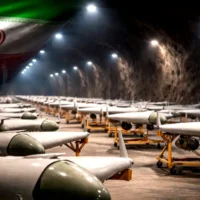
The massive cost of war goes far beyond simply buying new missiles and bombs. During the first 39 days of fighting, before a fragile ceasefire started, the US claimed it struck over 13,000 targets. The military fired more than $4 million Patriot missiles in just the first four days of the Iran war than it gave Ukraine over four entire years. To make the math worse, those expensive Patriot missiles were often used to shoot down cheap Iranian Shahed drones that cost less than $50,000 to build.
Repairing broken infrastructure will also cost American taxpayers billions. Following the assassination of former Supreme Leader Ali Khamenei on the first day of the war, Tehran launched massive drone and missile attacks against US military facilities. Iranian strikes damaged US bases in Kuwait, the United Arab Emirates, Saudi Arabia, and Jordan. NBC News recently reported that the damage to US equipment and bases in the Middle East is far worse than the government admits. The New York Times estimated that repairing just the US Navy Fifth Fleet headquarters in Bahrain will cost exactly $200 million.
During the hearing, Hegseth refused to say if the $25 billion estimate included the cost of repairing these damaged bases. Hurst told reporters that Washington still does not have a final number for the overseas damage. Economists also warn the US bill will climb even higher if wealthy Gulf allies demand Washington help pay for the repairs to their own local military bases damaged during the crossfire.
Linda Bilmes has a strong track record of predicting war costs. Back in February 2006, when the Bush administration claimed the Iraq war would only cost $50 billion, Bilmes famously estimated it would cost the US $3 trillion. Today, the total cost of the Iraq war sits at roughly $2 trillion, proving her early, massive estimate was much closer to reality than the government’s lowball figure.
“Wars always cost more than expected,” Bilmes told the Harvard Kennedy School. She noted that politicians always act overly optimistically about how quickly a war will end. She estimates the current Iran conflict burns through roughly $2 billion every single day in short-term costs. When you factor in long-term expenses, such as restocking empty weapons inventories and paying for decades of veterans’ medical care, the final bill explodes. “I am certain we will reach one trillion dollars for the Iran war,” Bilmes concluded.