
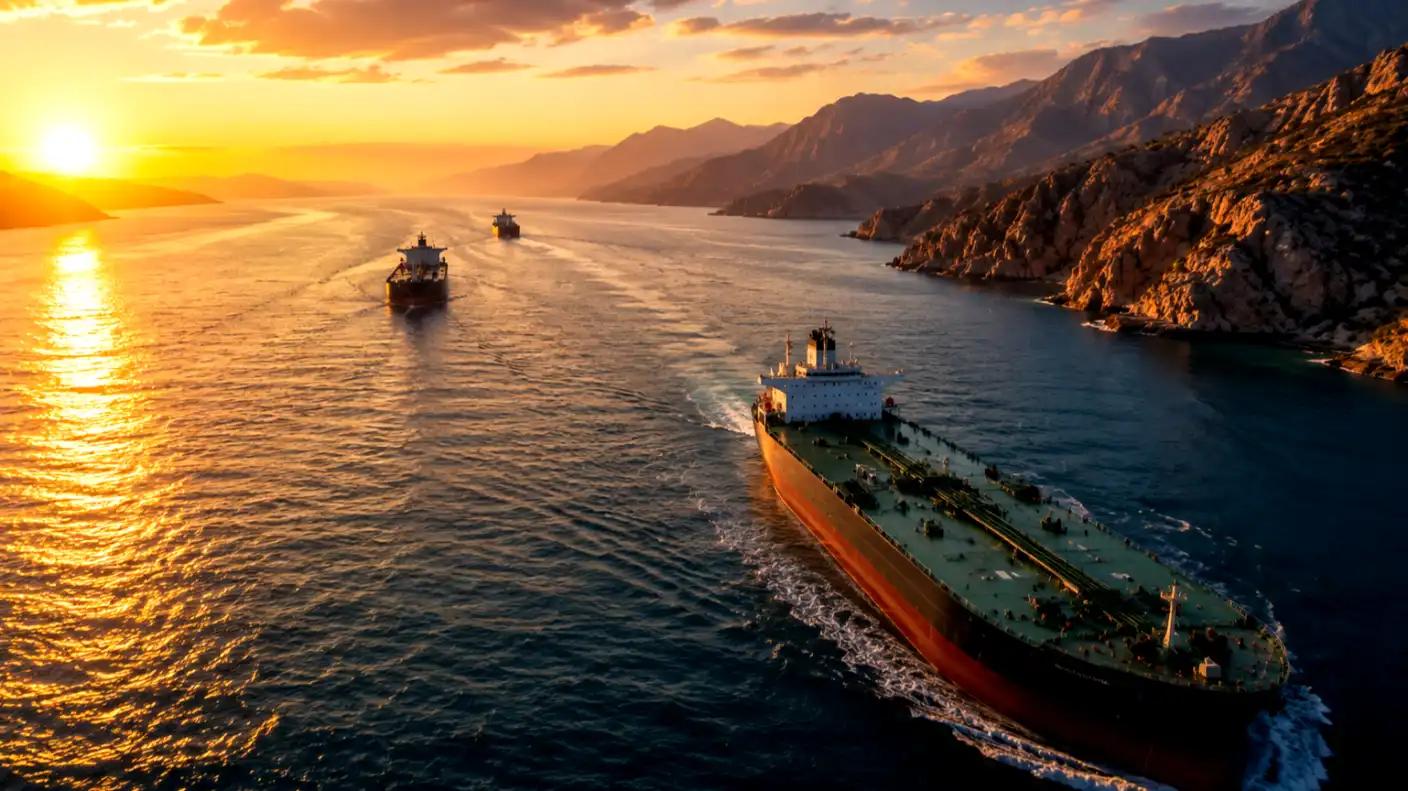
The United Nations’ shipping agency has launched a massive, coordinated effort to rescue hundreds of commercial vessels and thousands of sailors trapped in the Persian Gulf. On Tuesday, the International Maritime Organization officially announced the commencement of a phased evacuation plan to guide over 11,000 stranded seafarers through the highly dangerous Strait of Hormuz. The ambitious operation follows the recent implementation of a tentative ceasefire agreement between the United States and Iran, which has finally provided the security guarantees needed to reopen the world’s most critical energy transit route after nearly four months of total blockade.
In a formal statement released from the agency’s headquarters, International Maritime Organization Secretary-General Arsenio Dominguez expressed deep satisfaction with the diplomatic breakthrough. Dominguez emphasized that the humanitarian crisis has inflicted months of severe hardship and distress on innocent seafarers while crippling global supply chains. He welcomed the U.S.-Iran peace deal as a decisive step toward restoring maritime security, paying a solemn tribute to the 14 innocent merchant sailors who tragically lost their lives during the hostilities. The UN official pledged that the international community will work tirelessly to ensure the remaining crew members return home safely to their families.
To manage the highly complex logistics of the operation, the International Maritime Organization is partnering closely with regional coastal states, particularly the Sultanate of Oman. The Omani defense ministry released a separate advisory outlining a “gradual and controlled evacuation of vessel traffic” to minimize risks in the narrow chokepoint. Because hundreds of bulk carriers, container ships, and oil tankers have been anchored in the Gulf for over 100 days, releasing them all at once would create a severe risk of maritime collisions. Instead, Omani maritime authorities will contact vessels individually, grouping them into designated clusters and allocating specific transit days to ensure an orderly exit.
One of the most critical challenges facing the rescue mission is the severe degradation of the strait’s physical security. Under normal operating conditions, commercial traffic utilizes the standard Traffic Separation Scheme, a routing system originally adopted by the United Nations in 1968 to separate incoming and outgoing lanes within Iranian and Omani territorial waters. However, Omani defense officials have declared this legacy scheme entirely unsafe for use at this time. The traditional lanes are heavily cluttered with physical debris, stranded military hardware, and unresolved structural blockages, forcing authorities to find alternative paths to bypass the hazards.
The primary hazard keeping shipping insurers on high alert is the widespread presence of floating naval mines planted during the conflict. Joint military monitoring groups confirmed the presence of a live, unanchored mine on Friday, with regional security experts warning that as many as 80 naval mines remain active in the primary transit lanes. Because clearing these explosive devices is a slow, dangerous process that could take months, the evacuation plan will divert all vessel traffic into two temporary maritime corridors situated to the north and south of the standard scheme. The confined nature of these temporary routes increases the risk of collisions, requiring continuous naval monitoring.
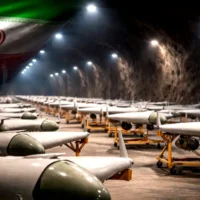
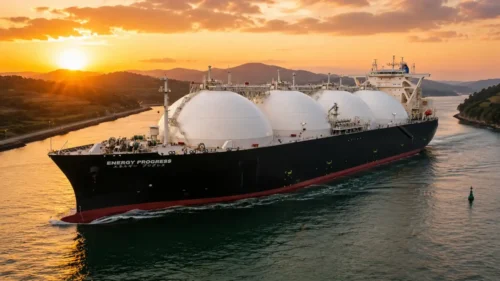
The unprecedented maritime blockade began on February 28, when joint military strikes by the United States and Israel triggered a full-blown war with Iran. In retaliation, the Iranian Revolutionary Guard Corps effectively closed the Strait of Hormuz to commercial shipping, launching drone strikes, boarding merchant vessels, and sowing sea mines across the waterway. Because the strait serves as the primary exit point for Middle Eastern energy, handling roughly 25% of global seaborne oil trade and 20% of the world’s liquefied natural gas, the prolonged closure triggered a severe global fuel crisis, stoking inflation and cutting off crucial agricultural commodities like fertilizer.
Despite the ongoing mine-clearing risks, the commercial appetite to exit the Persian Gulf has driven a rapid surge in shipping activity. According to real-time ship-tracking data from the Kpler platform, at least 36 commodity vessels successfully transited the Strait of Hormuz on Monday alone, marking the highest single-day volume recorded since the war erupted in late February. This rapid recovery shows that while the physical security of the waterway remains precarious, shipping companies are eager to capitalize on the 60-day sanctions waiver issued by the U.S. Treasury, which has temporarily legalized the trade of Iranian crude oil in exchange for nuclear inspections.
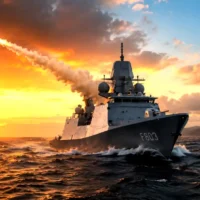
To protect the commercial convoys from accidental attacks, the United Nations is coordinating a massive security blanket involving multiple international players. The large-scale evacuation will be executed in close cooperation with the naval forces of Iran, Oman, the United States, and other regional coastal states. A multinational defensive mission led by Britain and France is also preparing to deploy guided-missile destroyers and aerial surveillance assets to escort the stranded merchant ships. This extensive international presence aims to reassure wary maritime insurers, who have kept war-risk premiums at historic highs due to the ongoing volatility.
While the evacuation plan offers a crucial release valve for the stranded crews, energy analysts warn that the physical recovery of global oil inventories will require several months of uninterrupted peace. Over the past 14 weeks, major industrial economies have rapidly depleted their domestic stockpiles to offset the Middle East supply gap, pushing U.S. emergency reserves to their lowest levels since 1985. Even if the 11,000 stranded seafarers are successfully evacuated by the end of the month, the time required to clean barnacle-encrusted hulls, load fresh cargoes, and sail to distant European and Asian ports means that true market relief will not be felt until late August or September.
Ultimately, the launch of the massive Hormuz evacuation plan represents a monumental humanitarian and logistical milestone for the global maritime industry. By coordinating the influence of the United Nations, the United States, Iran, and regional mediators like Qatar and Pakistan, the international community has successfully opened a fragile bridge to rescue 11,000 stranded seafarers. While the persistent threat of naval mines and ongoing military clashes in southern Lebanon highlight the extreme fragility of the truce, the willingness of all parties to cooperate on this evacuation demonstrates a shared desire to avert a total humanitarian disaster. As the first groups of cargo ships prepare to enter the temporary transit lanes, the world can only watch and hope that the path to peace remains clear.