
Iran shattered hopes for a quick peace deal on Saturday by blocking ship traffic through the Strait of Hormuz. At the same time, Israel launched fresh attacks against targets in Lebanon. These sudden, aggressive moves completely ruined US President Donald Trump’s recent claims that a peace agreement was near. The Islamic Republic broadcast a stern warning to all vessels, declaring the vital waterway closed to maritime traffic.
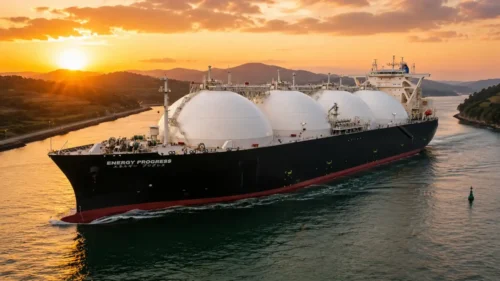
Mehdi Tabatabaei, spokesman for Iranian President Masoud Pezeshkian, blamed the closure on repeated broken promises and propaganda. The Islamic Revolutionary Guard Corps Navy ordered all ships to stay at their anchorages in the Persian Gulf and the Sea of Oman. They warned that any ship moving toward the strait becomes an enemy target. Before the US and Israel started their bombing campaign exactly 7 weeks ago in February, this specific narrow passage handled roughly 20 percent of the world’s oil and liquefied natural gas.
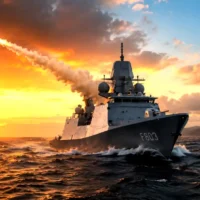
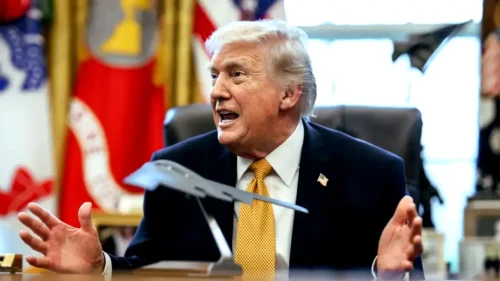
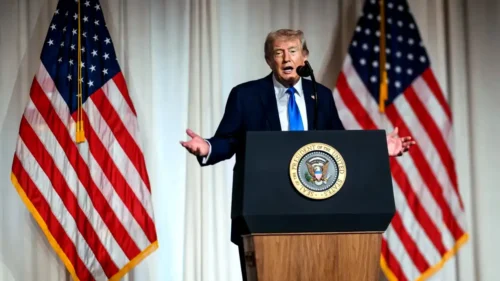
The United States military plans to fight back immediately. American forces prepare to board Iran-linked oil tankers and seize commercial ships in international waters over the next few days. American officials hope this extreme pressure will force Iran to reopen the critical waterway. Trump spoke to reporters on Saturday, stating that Iran wants to close the Strait just like they did in previous years, but he swore they will not blackmail the United States. He promised to take a very tough stand. Chaos now controls the entire region. Just 1 day before closing the strait, Iran actually promised to reopen the waterway to commercial vessels. Now, Iranian officials loudly denounce the ongoing US naval blockade and call the American actions total maritime banditry.
The fragile ceasefire in Lebanon also shows severe signs of collapse. The Israel Defense Forces reported that their troops struck and killed several armed men approaching their positions in southern Lebanon. Israel claims these men violated the strict terms of the truce. Furthermore, French President Emmanuel Macron announced that attackers killed 1 French soldier serving with the United Nations peacekeepers in Lebanon. Macron strongly suggested that Hezbollah, a militia funded by Iran, carried out the deadly strike. These violent clashes erase the growing optimism that the US and Iran could sign a massive agreement to finally end a brutal war that has already killed thousands of people and ruined global energy exports.
Nuclear material remains the biggest hurdle to any lasting peace. On Friday, Trump claimed he had very good conversations with Iranian leaders and said the US would work to recover the country’s nuclear dust. However, Iran fiercely rejects this idea. Esmail Baghaei, the spokesman for Iran’s Foreign Ministry, went on state television to declare that their enriched uranium remains completely sacred. He swore that the government would never transfer the material to another country under any circumstances. During a fierce 12-day war last year, American bombs buried this dangerous material deep underground. The fate of this uranium sits at the very center of the current conflict.
Violence had already exploded on the open water. The United Kingdom Navy reported that Iranian gunboats aggressively chased 1 oil tanker and fired live weapons at the ship. Thankfully, the crew escaped safely. In a totally separate incident off the coast of Oman, an unknown explosive projectile struck 1 large container ship.
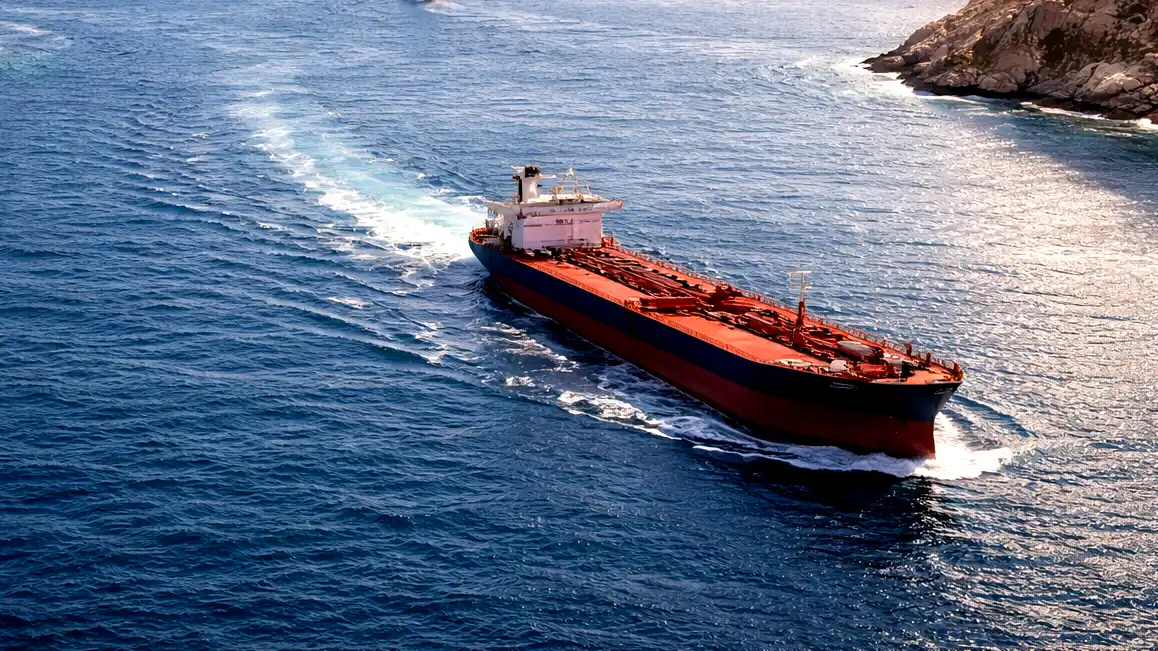
Iran’s Supreme Leader, Mojtaba Khamenei, released a public statement warning that his navy stands perfectly ready to make enemies taste bitter defeat. Facing these intense threats, several large oil tankers made immediate U-turns on Saturday to avoid the narrow waterway. Yet, a few brave captains still pushed forward. The FPMC C Lord, a massive ship carrying Qatari and Saudi crude oil, successfully sailed south of the Iranian island of Larak and headed toward the United Arab Emirates.
The global economy reacted wildly to the confusing news. Before the Strait closed again, oil prices actually crashed because traders hoped the war would end. Brent crude dropped exactly 9 percent on Friday, landing at roughly $90 for a single barrel. Physical oil prices even fell below the $100 mark for the first time since March 11. Behind closed doors, negotiators floated a major proposal to end the chaos. Some officials suggested the US could release $20 billion in frozen Iranian bank funds if Tehran finally surrenders its enriched uranium stockpile. However, Trump totally rejected this idea during a phone interview. He repeatedly said no to giving Iran the $20 billion and even threatened to drop bombs again if the current ceasefire expires next week.