

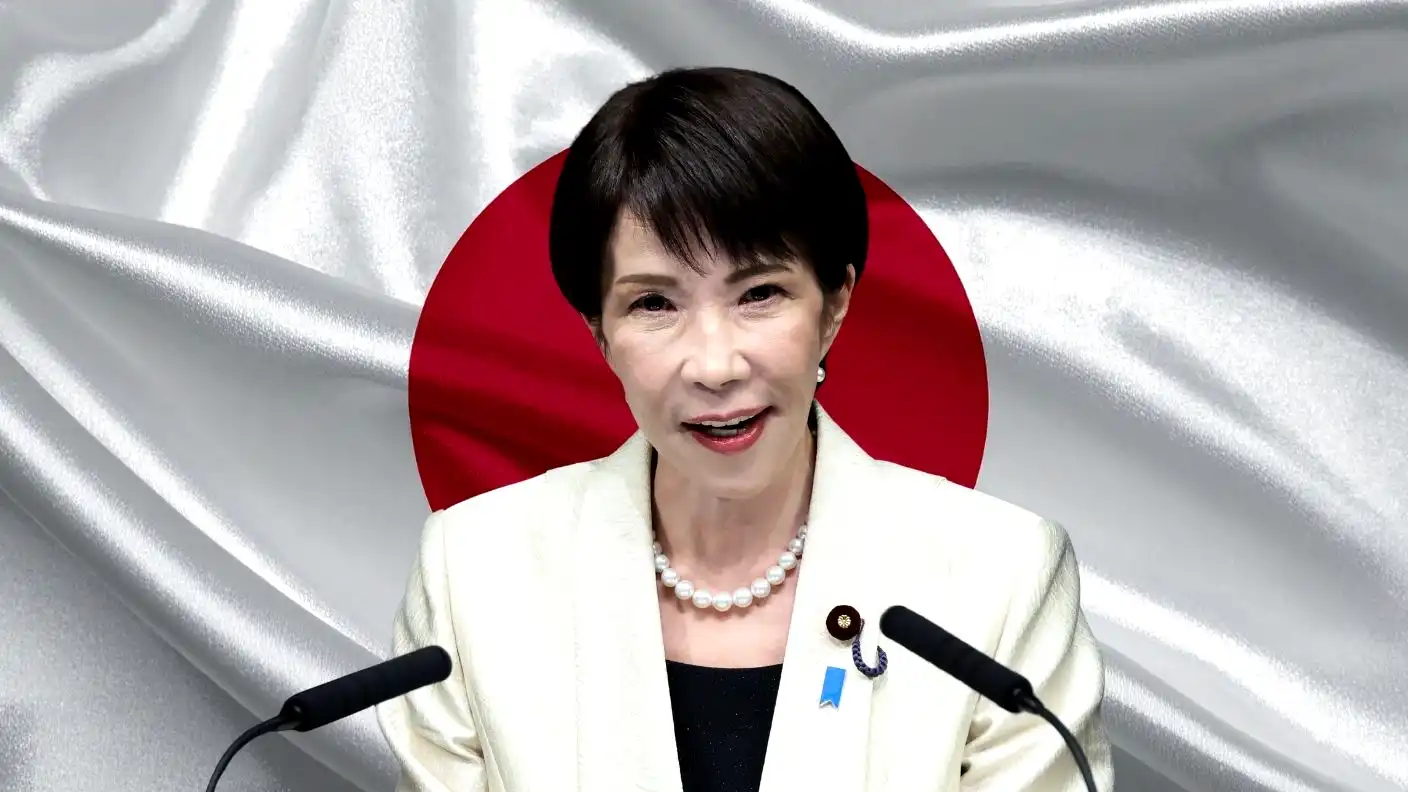
Japan just made a massive change to its national rules by dropping a long-standing ban on selling deadly weapons to other countries. Prime Minister Sanae Takaichi officially canceled these strict export rules last month. Now, Japanese defense companies have permission to sell lethal military equipment to 17 specific countries. Japan already signed defense cooperation agreements with these approved nations. The government still blocks weapons sales to nations actively at war, but officials can legally bypass these rules under special circumstances.
Since the end of World War 2, Japan has strictly limited its military sales. Following the devastating atomic bombings of Hiroshima and Nagasaki, the country adopted a strong pacifist stance. For decades, Japanese factories only sold non-lethal equipment to foreign buyers. They strictly exported items meant for rescue missions, troop transport, and basic surveillance.
Now, Japan wants a real piece of the massive global defense trade. Researchers at the Stockholm International Peace Research Institute report that the international arms market grew by 41% between 2016 and 2025. Today, this booming industry generates nearly $3 trillion in global sales every single year. The 17 approved export destinations include some of the world’s heaviest defense spenders, such as the United States, Germany, India, and Britain.
Currently, 5 Japanese corporations rank among the top 100 defense companies worldwide. Giants like Mitsubishi Heavy Industries and Kawasaki Heavy Industries anchor this group. Until now, these massive factories have survived almost entirely on domestic orders from the Japanese military. Bloomberg Intelligence analyst Ian Ma advises these newcomers to focus on high-tech niches. He believes Japanese engineers can dominate specific areas like advanced naval propulsion systems, guided missiles, sensitive electronics, and high-tech sensors.
Global politics currently create a perfect opening for Japanese manufacturers. Russian arms exports dropped significantly over the past few years. At the same time, foreign buyers often find the United States unpredictable and sometimes difficult to deal with when negotiating weapon contracts. Researchers at the Stimson Center argue that these shifting attitudes push buying nations to seek new alternatives. Japan offers the exact sophisticated technology these countries desperately need.
Japanese firms actually scored some major international victories even before the prime minister changed the rules entirely. Last year, Mitsubishi Heavy Industries secured a massive contract to build 11 high-tech warships for the Australian Navy. Japan is also actively developing a brand-new fighter jet alongside engineers from Britain and Italy. Several nations in Southeast Asia also recently expressed strong interest in buying Japan’s used submarines and older naval warships.
Despite these early wins, turning weapon exports into a major economic driver will likely take several years. Industry leaders warn that they face significant hurdles. Representatives from Mitsubishi Electric recently stated that the new rule changes will not instantly transform their daily business operations. A rival company, IHI, agreed with this cautious outlook. Both companies need time to build international relationships and understand foreign military demands.
Analysts point out that Japanese factories still have plenty of homework to finish before they can truly compete globally. The companies desperately need to increase their production capacity and hire thousands of highly skilled workers. They also need to build reliable networks of parts suppliers. They must prove they can properly test equipment, certify complex weapon systems, and consistently deliver large orders on time.
Beyond just making money, selling weapons helps Japan build alliances in a dangerous neighborhood. Heigo Sato, a defense expert at Takushoku University, explains that Japan absolutely needs strong security ties. The country sits dangerously close to an aggressive China and a nuclear-armed North Korea. Sato notes that Japan does not necessarily build the absolute best weapons in every category, so the government must actively use trade to forge tight security relationships with trusted allies.
Meanwhile, everyday Japanese citizens deeply hate this new military direction. A recent poll by Nikkei revealed that exactly 55% of the public completely opposes selling deadly weapons to foreign nations. Just days after the prime minister announced the new rules, dozens of angry protesters marched through the streets of Tokyo.
The trauma of history still weighs heavily on the Japanese public. Demonstrator Yura Suzuike reminded reporters that Japan committed terrible acts of aggression during World War 2 and suffered unimaginable destruction from 2 atomic bombs. She passionately argued that the country’s founders originally drafted its peaceful constitution with a firm promise to never again wage war or profit from killing people.















