

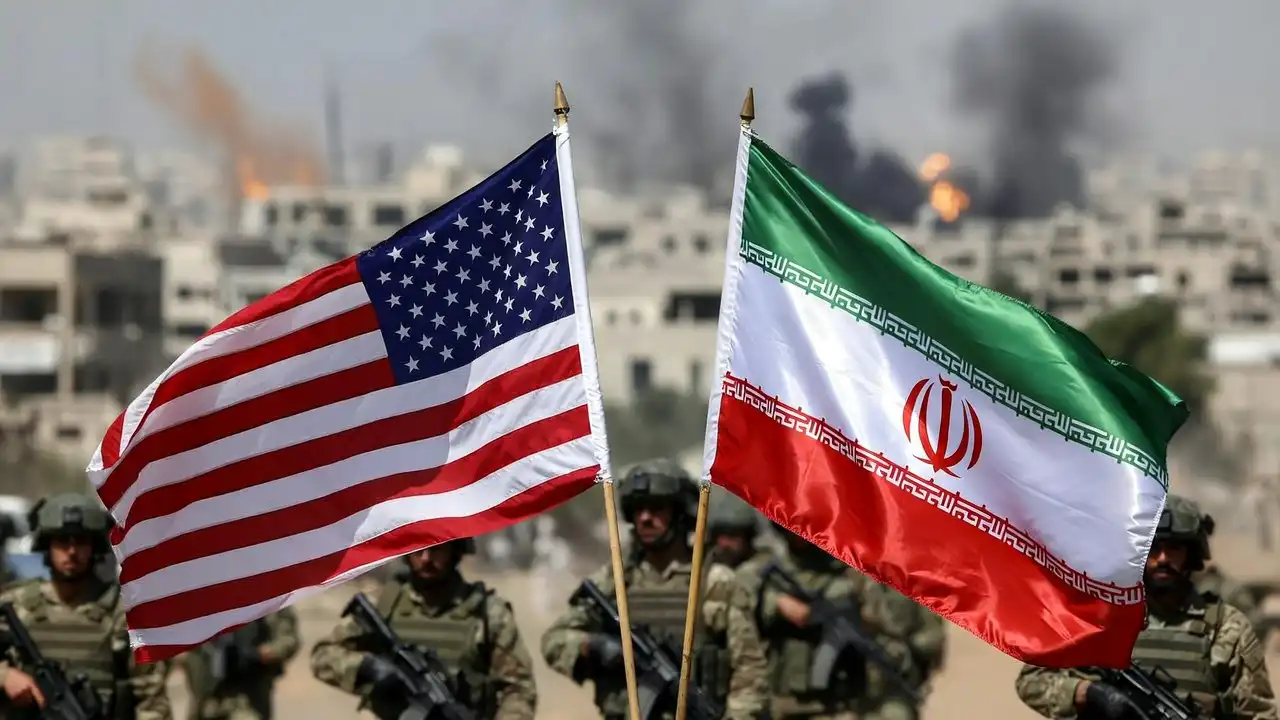
Efforts to end the 2-month war between the United States and Iran stalled on Tuesday. United States President Donald Trump rejected the latest peace offer from Tehran. Iranian officials proposed a step-by-step plan that delays any talks about their nuclear program. They want to end the shooting and resolve shipping disputes first. However, Trump demands that diplomats address the nuclear issues on day 1 of any peace talks.
Trump took to his Truth Social platform on Tuesday to share his thoughts. He claimed Iranian leaders secretly messaged him to say their country is in a state of collapse. According to Trump, Tehran begged the United States to open the Strait of Hormuz quickly so it could figure out its internal leadership problems. The Iranian government did not reply directly to this post, but an Iranian army spokesperson told state media that the military does not consider the war over.
The conflict caused massive problems for global trade. Since the war started on February 28, Iran has blocked almost all foreign ships from crossing the Strait of Hormuz. In response, the United States Navy started blockading Iranian trade ships this month. Before the fighting began, between 125 and 140 ships passed through the strait every single day. Over the past 24 hours, ship trackers spotted only 7 vessels crossing the water, and none of them carried oil for the global market. The American naval blockade also forced at least 6 Iranian oil tankers to turn around and head home recently.
Diplomatic hopes crashed last weekend when Trump canceled a planned trip to Pakistan. He originally scheduled his son-in-law, Jared Kushner, and special envoy Steve Witkoff to meet mediators in Islamabad. Meanwhile, Iranian Foreign Minister Abbas Araqchi traveled to Islamabad 2 times over the weekend to present Tehran’s proposal. The Iranian plan outlined 3 specific stages. First, both sides ended the war with American guarantees that it would not be restarted. Second, the countries end naval blockades and reopen the Strait of Hormuz under Iranian control. Third, the two nations finally discuss the nuclear program and Iran’s right to enrich uranium.
This hardline approach stems from a massive power shift inside Iran. On the very first day of the war, a military strike killed Supreme Leader Ayatollah Ali Khamenei. The government replaced him with his wounded son, Mojtaba. Analysts say this sudden leadership change handed total control to the strict commanders of the Islamic Revolutionary Guard Corps. Because military generals now run the country, Iran is taking a much tougher stance at the negotiating table.
Trump also faces severe pressure at home. A new Reuters/Ipsos poll shows the president hit the lowest approval rating of his current term. Only 34% of Americans approve of his job performance, dropping from 36% in the previous survey. Voters feel angry about the rising cost of living and the ongoing overseas war. To defend his position, Trump often changes his reasons for fighting the conflict, which confuses the public.
The war creates deep cracks between the United States and its European allies. On Monday, German Chancellor Friedrich Merz criticized the Trump administration. Merz stated that the Iranian leadership humiliates the United States and questioned if Trump even has a real exit strategy. Trump fired back on social media, claiming Merz does not know what he is talking about. Despite these arguments, Britain’s King Charles visited the United States Congress on Tuesday. He promised that the United Kingdom would always remain a staunch ally and defend democracy alongside America.
The stalled peace talks sent panic through the financial world. Oil prices resumed their upward climb on Tuesday. Brent crude oil rose 2.8% to reach roughly $111.26 for a single barrel. The World Bank released a terrifying forecast, predicting energy prices will surge by 24% in 2026. This would push fuel costs to their highest level since the massive Russian invasion of Ukraine 4 years ago. The chaos even broke the Gulf nations apart, pushing the United Arab Emirates to quit the OPEC and OPEC+ cartels completely.
Both sides continue to attack each other using financial weapons. On Tuesday, the United States imposed new economic sanctions on 35 individuals and companies. The American government accused these groups of running a shadow banking system for Iran and moving tens of billions of dollars to fund terrorism. Meanwhile, Iranian government spokesperson Fatemeh Mohajerani told state media that Tehran had successfully bypassed the naval blockade. She said Iran now moves its goods through northern, eastern, and western land corridors instead of relying on Gulf ports.















