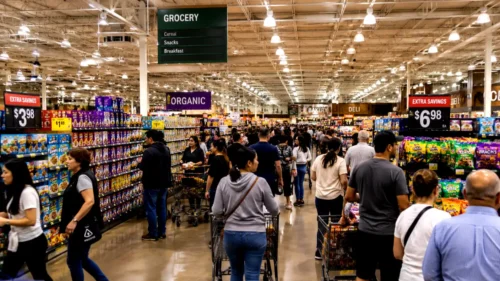

You pull up to the gas pump, look at the numbers on the screen, and shake your head. A few minutes later, you walk through the grocery store and notice you pay much more for basic items like bread, eggs, and milk. You are not alone. People across the entire world feel this same frustration every single day.
We live in a deeply connected world. When leaders declare war or borders close on one side of the planet, families on the opposite side feel the shock in their wallets. Global conflict creates a massive wave of economic disruption. It disrupts supply chains, drives up energy costs, and creates runaway inflation. The International Monetary Fund constantly monitors these trends. Their World Economic Outlook paints a clear picture of a challenging economic landscape that forces everyday people and massive corporations to change how they spend money. We need to look closely at how these global events push prices higher and what this means for our daily lives.
Why Gas Prices Keep Going Up
Energy runs the modern world. We need oil and natural gas to heat our homes, power our factories, and fuel the ships and trucks that move our goods. When global conflicts erupt, they often involve countries that produce massive amounts of these energy resources.
War creates immediate panic in the energy markets. Buyers worry that fighting will destroy pipelines or that governments will block oil shipments as punishment. When the global supply of oil shrinks, but the world still needs the same amount of energy to keep functioning, prices shoot up. You see this reality almost instantly at your local gas station.
We also have to look at how countries react to aggressive neighbors. Many nations refuse to buy oil from a country that starts a war. They issue sanctions and blockades to punish the aggressor. While this makes sense politically, it removes millions of barrels of oil from the global market. Other oil-producing countries struggle to pump enough oil to fill that massive gap. This shortage forces everyone to bid higher for whatever oil remains available, trapping consumers in a cycle of high energy bills.
The Breaking Point for Supply Chains
Long before a product reaches your local store, it travels across a vast network of ships, trains, and trucks. We call this the global supply chain. For decades, this system ran smoothly. Companies ordered parts from overseas, and the parts arrived just in time to build a car, a computer, or a washing machine. Conflict shatters this delicate system.
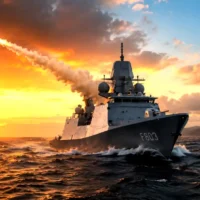
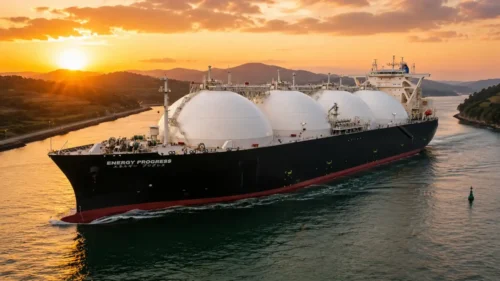
War turns safe oceans into danger zones. Shipping companies refuse to send their cargo ships through dangerous waters because they do not want to risk losing their crew or their boats. They force their ships to take much longer routes around entire continents to avoid missiles and blockades.
When ships take longer routes, the entire system slows down, and costs rise in several different ways:
- Shipping companies burn more fuel to cover the extra thousands of miles, adding massive fuel costs to the trip.
- Insurance companies charge much higher fees to cover ships that sail anywhere near a war zone.
- Factories pause production because they wait weeks for delayed parts, resulting in fewer products to sell.
- Port workers struggle to handle sudden floods of delayed ships arriving all at once, creating massive traffic jams on the docks.
The IMF Warning on the Global Economic Landscape
The International Monetary Fund acts as a financial watchdog for the world. They study trends, analyze data, and warn countries about impending financial storms. Their World Economic Outlook report regularly highlights how conflict and supply issues drag down global growth.
The reports show a troubling combination of slowing economic growth and fast-rising prices. Economists call this situation “stagflation.” Normally, prices only rise quickly when an economy booms and people buy lots of things. Today, prices rise because goods are scarce and energy is expensive, even as businesses struggle to grow.
The IMF warns that this landscape hits developing nations the hardest. Wealthy countries can sometimes absorb the shock of higher gas prices. Poorer countries cannot. When food and fuel become too expensive, developing nations face hunger and unrest. The IMF urges governments to work together, but finding solutions remains incredibly difficult when countries refuse to talk to each other.
How Inflation Squeezes Everyday Life
Inflation is a silent thief. It steals your purchasing power. When supply chains break and gas prices jump, it costs a company much more money to make a product and deliver it to a shelf. The company does not eat that extra cost. They pass that cost directly to you.
This creates a painful cycle for everyday families. You spend a larger chunk of your paycheck just to drive to work and feed your family. Because you spend so much on basics, you stop buying extra things like new clothes, restaurant meals, or movie tickets. When millions of people stop spending money on extras, local businesses suffer. Restaurants close, shops lay off workers, and the economy slows down even more.
Inflation also makes housing more expensive. Builders pay more for lumber and steel because shipping those materials costs so much more. They pass those construction costs to homebuyers and renters. Every corner of a normal life becomes heavier and harder to manage when global inflation takes hold.
What Governments and Businesses Try to Do
Leaders and business owners cannot just sit back and watch the economy struggle. They take active steps to fight inflation and fix broken supply chains. However, these fixes take time and often bring their own set of challenges.
Central banks and large corporations adapt to the crisis through a few key actions:
- Central banks raise interest rates to make borrowing money more expensive, which slows down spending and helps bring prices down over time.
- Governments offer subsidies or tax breaks to help low-income families pay for out-of-control heating and electricity bills.
- Companies move their factories closer to home so they do not have to rely on risky shipping lanes across the world.
- Businesses stockpile extra parts in large warehouses so a sudden shipping delay does not force them to shut down their assembly lines.
Looking Ahead at Our Economic Future
The global economy always goes through cycles of good times and hard times. Right now, the world faces a hard time. Conflict creates borders and barriers in a world that spent decades trying to tear them down. Rising gas prices and supply chain failures show us exactly how fragile our modern way of living really is.
People and businesses eventually adapt. We find new ways to generate energy, new routes to ship our goods, and new methods to stretch our paychecks. However, the current economic landscape requires patience and smart planning. As long as global conflicts disrupt the normal flow of energy and goods, we will continue to fight the heavy weight of inflation. We must pay close attention to organizations like the IMF and understand that events happening a world away will always find a way to reach our own front doors.