

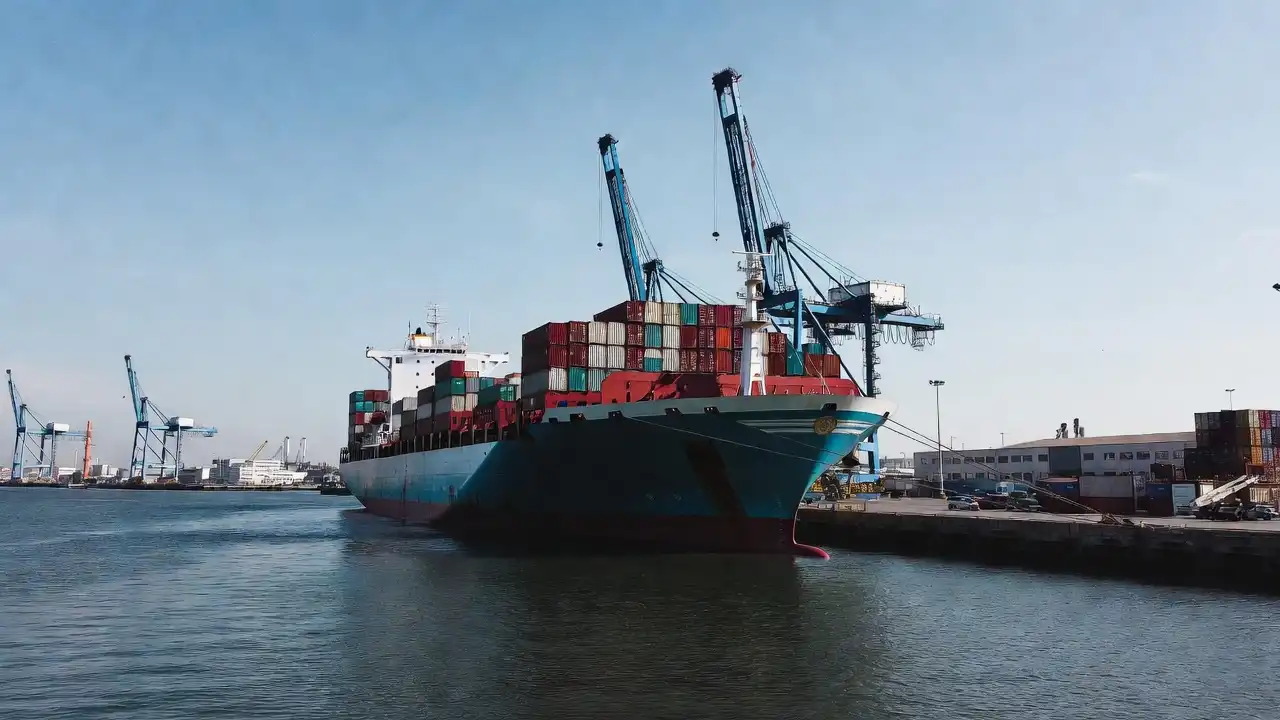
The modern era was built upon the promise of an interconnected world, where the free flow of goods, services, and human capital would render large-scale conflict economically devastating and, therefore, obsolete. However, this optimistic vision of hyper-globalization has increasingly collided with the harsh realities of geopolitical confrontation and conflict. Across the globe, historic fault lines have ruptured, giving way to persistent regional tensions that cast a long, dark shadow over the entire international system. When major geopolitical players clash, the consequences are never contained within the borders of the belligerent nations. Instead, they trigger a cascading series of shockwaves that disrupt the delicate mechanisms of global trade and fundamentally undermine humanitarian stability.
Ongoing hostilities and territorial disputes in highly strategic regions—most notably Eastern Europe, the Middle East, and the South China Sea—have forced the world to grapple with a new era of fragmentation. We are witnessing the weaponization of supply chains, the militarization of vital maritime trade routes, and a tragic surge in human displacement. To understand the profound fragility of our modern globalized system, it is essential to analyze in depth how these geopolitical confrontations undermine economic prosperity and threaten the fundamental rights and safety of vulnerable populations worldwide.
The Core Theaters of Geopolitical Confrontation
To fully grasp the magnitude of global disruption, one must first examine the primary geographic arenas where these intense geopolitical struggles are playing out. Several overlapping spheres of tension currently dominate the world, each possessing its own unique historical context and strategic importance. While there are numerous flashpoints globally, three specific regions have emerged as the primary drivers of global economic and humanitarian instability.
These regions act as the geopolitical engines of current global anxiety, possessing the power to halt international shipping, spike commodity prices, and displace millions of people.
Eastern Europe: The Ukraine Crisis and Global Ripples
The outbreak and continuation of severe conflict in Eastern Europe, centered primarily around Ukraine, represents a watershed moment in modern geopolitical confrontation. This conflict shattered the long-standing illusion of post-Cold War peace on the European continent, forcing a dramatic realignment of global alliances and economic dependencies. Ukraine, historically known as the breadbasket of Europe, and Russia, a dominant force in global energy exports, are both deeply embedded in the foundation of the global commodity market. The confrontation here is not merely a territorial dispute; it is a clash of fundamental worldviews, pitting Western democratic alliances against an increasingly assertive and revisionist power.
The impact of this confrontation has been felt in every corner of the globe, dramatically altering how nations source their most basic needs. A few of the most critical disruptions stemming from this conflict include:
- The immediate and severe curtailment of natural gas and crude oil exports to European markets is forcing a frantic and costly restructuring of global energy supply chains.
- The blockade and destruction of vital agricultural ports along the Black Sea severely restricted the export of millions of tons of wheat, corn, and sunflower oil.
- The widespread implementation of historic economic sanctions has effectively isolated one of the world’s largest economies from the international financial system and complicated global banking compliance.
The Middle East: A Historical Powder Keg
The Middle East remains one of the most volatile and strategically critical regions on the planet, serving as the nexus of global energy production and international maritime trade. The geopolitical landscape here is a complex web of historical grievances, religious sectarianism, and intense proxy warfare between regional hegemons. The ongoing and episodic escalations of violence in this region continuously threaten to ignite a broader regional war that would draw in major global superpowers. Because the global economy remains heavily reliant on fossil fuels extracted from this region, any flare-up in tensions triggers immediate panic in international commodity markets.
Beyond the energy sector, the Middle East is home to some of the world’s most vital geographic chokepoints, making it a critical artery for global trade. The instability in this region disrupts peace and commerce through several mechanisms:
- The constant threat to the Strait of Hormuz, through which a massive percentage of the world’s seaborne oil passes daily.
- The rise of militant groups launching asymmetric attacks on commercial shipping vessels in the Red Sea and the Bab el-Mandeb strait has effectively halted traffic through the Suez Canal.
- The tragic and perpetual cycles of violence have created generations of internally displaced persons and refugees, putting immense strain on neighboring countries and international aid organizations.
The South China Sea: The Battle for Maritime Supremacy
Unlike the active, kinetic warfare seen in Eastern Europe or the Middle East, the geopolitical confrontation in the South China Sea is characterized by escalating brinkmanship, militarization, and the looming threat of superpower conflict. This body of water is one of the most economically significant maritime regions in the world, with trillions of dollars of international trade passing through its sea lanes annually. It is also believed to hold vast, untapped reserves of oil and natural gas. The core of the tension lies in sweeping, unilateral territorial claims made over nearly the entire sea, which directly conflict with the Exclusive Economic Zones (EEZs) of several neighboring Southeast Asian nations.
This region has become the primary theater for the broader strategic competition between global superpowers, transforming coral reefs into militarized artificial islands and commercial waters into zones of constant naval friction. The stakes here are incredibly high for the global economy due to the following factors:
- The presence of the world’s most advanced semiconductor manufacturing hubs in the immediate vicinity means that a conflict here would instantaneously paralyze the global technology, automotive, and consumer electronics industries.
- The essential nature of freedom of navigation in these waters guarantees the seamless flow of manufactured goods from Asian factories to Western consumer markets.
- The potential for a minor naval miscalculation or collision between rival coast guards and navies to rapidly spiral into an uncontainable international conflict.
The Disruption of Global Trade and Supply Chains
When geopolitical confrontation escalates into conflict or militarized tension, the intricate machinery of global trade is among the first casualties. The modern economy is built on a philosophy of “just-in-time” logistics, where raw materials and finished goods are in constant motion, timed to arrive exactly when needed to minimize storage costs. This highly optimized system is extraordinarily efficient but inherently fragile. Geopolitical instability shatters this efficiency, replacing predictable transit times and stable prices with chaotic delays, soaring insurance premiums, and widespread product shortages.
The disruption of trade is not a single event but a complex chain reaction that ultimately affects the purchasing power of the average global consumer. This economic turmoil manifests through several key avenues of disruption.
Maritime Chokepoints and Rerouted Shipping
The oceans are the highways of the global economy, carrying the vast majority of international trade. However, these highways are heavily dependent on specific, narrow straits and canals—maritime chokepoints that can be easily closed or threatened during times of geopolitical confrontation. When conflicts erupt near these critical junctures, such as the Suez Canal, the Strait of Malacca, or the Black Sea, the risk to commercial shipping becomes too great. Shipping companies and their insurers are forced to make drastic decisions to protect their vessels, their crews, and their multi-million-dollar cargoes.
The primary response to threatened chokepoints is rerouting global shipping fleets, a decision with immense economic consequences. When ships are forced to avoid the Red Sea and instead travel around the Cape of Good Hope at the southern tip of Africa, transit times are extended by weeks. This massive detour significantly increases fuel consumption, necessitates higher crew wages, and creates a severe shortage of available shipping containers, as empty boxes are tied up at sea for longer periods. The ultimate result is a dramatic spike in freight rates, which is inevitably passed on to consumers, driving global inflation and slowing economic growth.
Commodity Shocks: Energy and Agriculture
Geopolitical conflict frequently occurs in regions that are vital producers of the world’s most essential commodities: energy and food. When war breaks out, the extraction, refinement, and exportation of these resources are immediately compromised. The global market, acting on fears of future scarcity, reacts with intense price volatility. Energy markets are particularly sensitive; the mere threat of a disrupted oil pipeline or a blockaded natural gas terminal can cause crude prices to skyrocket. This energy inflation acts as a massive, regressive tax on the global economy, increasing the cost of manufacturing, transportation, and daily living for people everywhere.
Equally devastating is the impact of geopolitical confrontation on global agriculture. The disruption of farming operations in conflict zones, combined with the blockading of export routes, creates artificial food shortages. The consequences of these commodity shocks are far-reaching and deeply damaging.
- The cost of basic staples, such as bread and cooking oil, reaches record highs, disproportionately affecting impoverished populations in developing nations.
- The supply of crucial agricultural fertilizers is restricted, reducing global crop yields in subsequent harvest seasons and prolonging the food crisis.
- Nations heavily dependent on food imports face the immediate threat of civil unrest, as food inflation has historically been a primary catalyst for political instability.
The Weaponization of Trade and Sanctions
In the modern era of geopolitical confrontation, economic tools are frequently deployed as weapons of war. When direct military engagement is deemed too risky or costly, nations turn to economic statecraft to coerce, punish, or isolate their adversaries. This weaponization of trade takes many forms, including the imposition of sweeping embargoes, the restriction of exports of critical technology, and the implementation of punitive tariffs. While these measures are designed to cripple the target nation’s war machine and economy, they invariably inflict collateral damage on the entire global trading system.
The widespread use of economic sanctions forces multinational corporations to navigate a labyrinth of legal compliance requirements, often requiring them to sever long-standing business relationships and abandon profitable markets. Furthermore, the targeted restrictions on high-tech components, such as advanced microchips and rare earth minerals, disrupt the manufacturing of everything from medical devices to electric vehicles. This economic warfare accelerates the decoupling of the global economy, forcing nations to build redundant, localized supply chains that are far more expensive and less efficient than the integrated global networks of the past.
The Humanitarian Toll of Geopolitical Instability
While the economic consequences of disrupted trade are profound and far-reaching, the most tragic and enduring impact of geopolitical confrontation is the staggering toll it extracts on human life and dignity. When diplomacy fails, and violence erupts, it is civilian populations who bear the brunt of the devastation. Modern conflicts are rarely confined to traditional battlefields; they ravage entire cities, destroy essential public infrastructure, and tear apart the social fabric of nations. The humanitarian crises generated by these conflicts do not end when the gunfire ceases; they leave behind generational scars that require decades of intervention and rebuilding to heal.
The concept of humanitarian stability encompasses the right of individuals to live in safety, with reliable access to food, water, medical care, and shelter. Geopolitical confrontation systematically dismantles every pillar of this stability.
The Global Displacement Crisis
One of the most visible and heartbreaking consequences of armed conflict is the mass displacement of human beings. When homes are destroyed, and neighborhoods become war zones, families are forced to flee, often with nothing but the clothes on their backs. Geopolitical confrontations in Eastern Europe, the Middle East, and various other conflict zones have resulted in a historic surge in both internally displaced persons (IDPs) and transnational refugees. This mass exodus creates a complex humanitarian emergency that strains the resources of host communities, border nations, and international aid organizations to their absolute breaking point.
The displacement crisis generates a multitude of severe, compounding challenges for those forced to flee their homes. The reality of life as a refugee involves confronting constant peril and uncertainty.
- Refugees frequently undertake highly dangerous, exploitative journeys across treacherous seas and hostile borders, falling victim to human trafficking networks.
- Displaced populations often end up in overcrowded, under-resourced refugee camps where the risk of infectious disease outbreaks is incredibly high.
- Children born into or forced into displacement lose access to formal education, creating a “lost generation” whose future economic and social potential is severely stunted.
Food Insecurity and the Threat of Famine
As global trade disruptions choke off the supply of agricultural commodities, the humanitarian fallout manifests as severe food insecurity and, in extreme cases, the threat of widespread famine. Conflict directly destroys domestic food production by turning farmland into minefields, destroying irrigation systems, and killing livestock. When this localized destruction is combined with the global inflation of food prices caused by geopolitical tensions elsewhere, the poorest nations on earth are pushed to the brink of starvation.
In some of the most brutal geopolitical confrontations, food is intentionally weaponized. Blockades are utilized to starve civilian populations into submission intentionally, and humanitarian aid convoys are deliberately targeted or denied access to besieged areas. This weaponization of hunger represents a catastrophic failure of international humanitarian law and highlights the grim reality that in modern conflicts, starvation is frequently used as a tactic of war.
The Collapse of Healthcare and Basic Infrastructure
Humanitarian stability is entirely dependent on the functioning of basic societal infrastructure. Geopolitical conflict is notorious for the systematic destruction of these vital systems. The bombardment of urban centers frequently results in the obliteration of power grids, water treatment facilities, and sanitation networks. Without reliable electricity, hospitals cannot run life-saving equipment or refrigerate critical medicines. Without clean water, cholera and other waterborne diseases spread rapidly through desperate populations.
Furthermore, medical facilities and healthcare workers are often caught in the crossfire, and in some egregious instances, they are specifically targeted. The collapse of the healthcare system during a conflict means that people die not only from bombs and bullets but from preventable diseases, untreated chronic illnesses, and a lack of maternal care. International Non-Governmental Organizations (NGOs) attempt to fill this void. Still, they operate in highly dangerous environments, constantly facing the threat of violence, kidnapping, and the logistical nightmare of delivering aid across active front lines.
Navigating the Future: Strategies for Global Resilience
The compounding crises of disrupted trade and humanitarian emergencies clearly demonstrate that the current international system is highly vulnerable to geopolitical shocks. As the world transitions into a more volatile, multipolar era, waiting for conflicts to resolve themselves is no longer a viable strategy. Governments, multinational corporations, and international organizations must proactively adapt to this new reality. Building global resilience requires a fundamental shift in how we approach economic integration, diplomatic engagement, and the delivery of humanitarian assistance.
To mitigate the devastating impacts of future geopolitical confrontations, stakeholders at all levels must adopt a multifaceted approach to risk management and international cooperation.
Diversifying Supply Chains and Nearshoring
The era of relying on a single geographic region for the production of critical goods has proven to be an unacceptable risk. To protect the global economy from future geopolitical disruptions, multinational corporations and governments are actively restructuring their supply chains. This strategy focuses on building redundancy and resilience into the system, even if it means sacrificing some of the extreme cost efficiencies of the past.
Companies are responding to these persistent geopolitical threats by fundamentally changing their sourcing and manufacturing strategies. Some of the most popular methods include:
- Nearshoring: Relocating manufacturing operations closer to the end-consumer markets to reduce reliance on vulnerable, long-haul maritime shipping routes.
- Friendshoring: Shifting the production of highly sensitive technologies, such as semiconductors and military components, exclusively to nations that are trusted political and military allies.
- Inventory Buffering: Moving away from “just-in-time” inventory models and deliberately stockpiling critical raw materials and finished goods to cushion against sudden supply shocks.
Strengthening International Diplomatic Frameworks
The disruption caused by geopolitical confrontation underscores the urgent need for robust, effective international diplomacy. The institutions established after the Second World War to prevent large-scale conflict and manage global crises have often found themselves paralyzed by political gridlock and the veto power of major geopolitical rivals. To build global resilience, the international community must invest in modernizing these diplomatic frameworks. This involves creating new avenues for conflict resolution, strengthening enforcement of international law on freedom of navigation, and establishing binding, multilateral agreements to regulate emerging zones of competition, such as cyberspace and artificial intelligence.
Diplomacy must also shift from a purely reactive stance to a preventative one. By addressing the root causes of regional tensions—such as resource scarcity, historical border disputes, and economic inequality—before they erupt into violence, the international community can prevent the catastrophic ripple effects that destroy global trade and humanitarian stability.
Enhancing Humanitarian Aid Mechanisms
As the frequency and severity of humanitarian crises increase, the global mechanisms for delivering aid must evolve to become more agile, better funded, and politically insulated. The international community must prioritize establishing secure, unhindered humanitarian corridors that ensure the safe passage of food, medicine, and aid workers into conflict zones, regardless of the warring parties’ political objectives.
Furthermore, building humanitarian resilience requires shifting the focus from purely emergency relief to long-term community empowerment. This involves investing in local agricultural initiatives in developing nations to reduce their reliance on global food imports, building decentralized, renewable energy grids that cannot be easily destroyed by centralized bombardment, and providing education and trauma support to displaced populations. By empowering vulnerable communities to withstand the initial shocks of geopolitical conflict, we can reduce the severity of the ensuing humanitarian disasters.
Conclusion
The ongoing geopolitical confrontations in Eastern Europe, the Middle East, the South China Sea, and beyond are stark reminders that the prosperity and security of the modern world are deeply fragile. When the fault lines of international relations rupture, the consequences are never localized. They surge outward, disrupting the maritime arteries of global trade, triggering devastating inflation in food and energy markets, and plunging millions of innocent civilians into the horrors of displacement and starvation. The interconnected nature of our planet means that a conflict in one hemisphere inevitably becomes an economic and humanitarian crisis in another.
Addressing these profound challenges requires a collective awakening. The global community can no longer afford to view geopolitical confrontation as a distant problem. Building a resilient future demands that we prioritize diversifying our economic supply chains, modernizing our diplomatic institutions, and maintaining an unwavering, unified commitment to protecting humanitarian stability above all else. Only by recognizing our shared vulnerabilities and working collaboratively to mitigate the catastrophic ripple effects of conflict can we hope to navigate the turbulence of the current geopolitical era and secure a more stable, prosperous, and humane world for future generations.















