

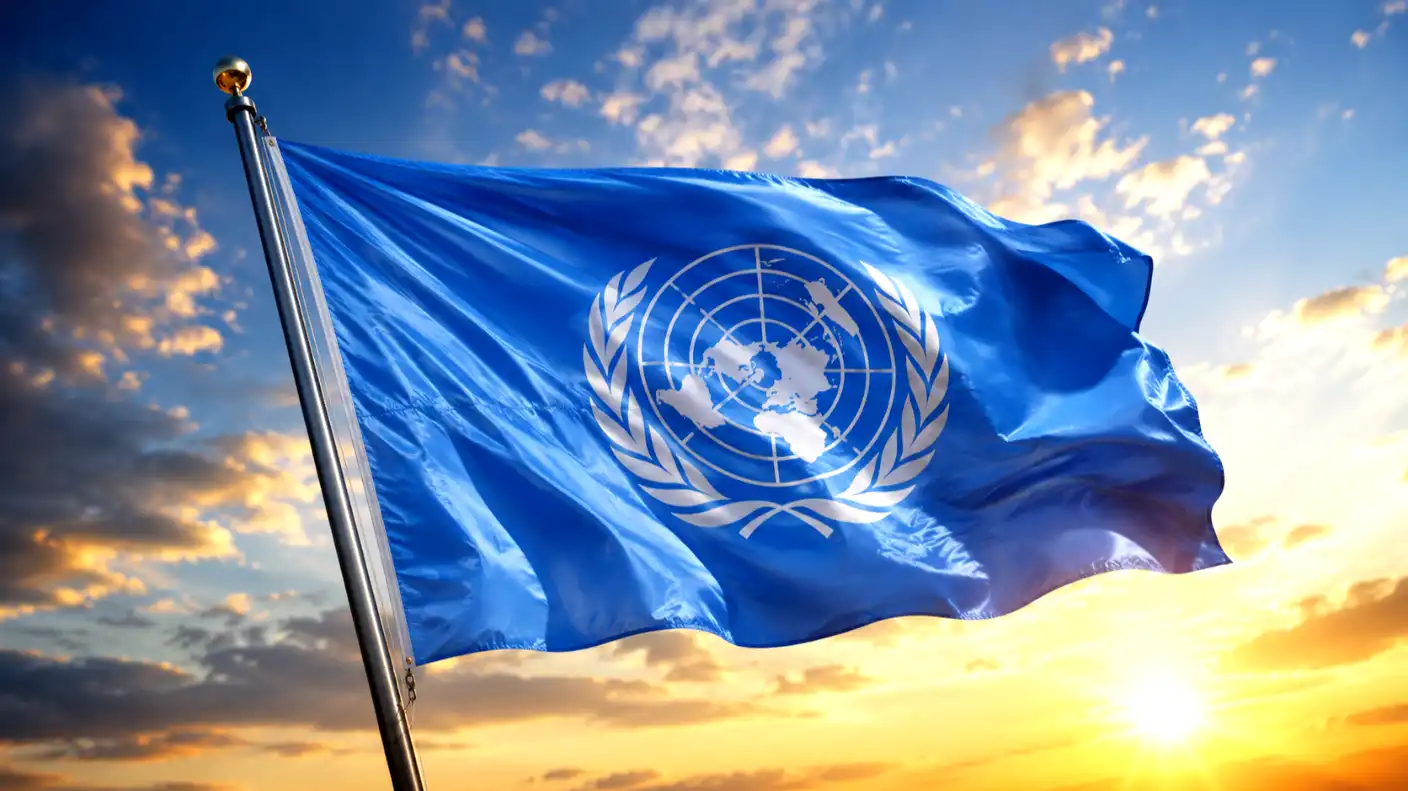
World leaders and city planners gathered in Baku this week to tackle a massive problem. The 13th World Urban Forum brought together 40,000 registered delegates. These participants traveled from 182 different countries to discuss the rapidly growing housing crisis. The sheer size of this crowd makes this year’s event one of the most-attended gatherings in the forum’s history. Everyone arrived with a shared understanding that finding an affordable place to live now represents a global emergency.
United Nations Secretary-General António Guterres addressed the massive crowd on the second day of the conference through a recorded video message. He warned the audience that the housing crisis no longer limits itself to poor nations. Wealthy countries face the same struggles as developing nations. Guterres pointed out that nearly 3 billion people currently lack proper housing worldwide. He told the delegates that this massive crisis continues to accelerate due to widespread economic problems and global political instability.
Guterres did not just share big numbers. He shared a personal story from his younger days. He remembered doing volunteer work in the poorer neighborhoods of Lisbon, his hometown. During that time, he saw exactly how a bad housing situation ruins a person’s health, education, and long-term future. He begged governments around the world to put safe housing at the very center of all their future sustainable development plans.
Annalena Baerbock, the president of the United Nations General Assembly, took the stage to share even more alarming numbers. She told the delegates that more than 1.1 billion people currently live in informal settlements or dangerous slums. She noted that another 300 million people live completely homeless on the streets. Baerbock explained that the lack of a safe home causes a terrible chain reaction. She warned that bad housing destroys community health, disrupts schools, increases crime, and leaves families totally unprotected against severe climate disasters.
Baerbock made it clear that simply pouring concrete and building more houses will not solve the underlying problem. She demanded a completely new system. Leaders need to connect new homes directly to reliable infrastructure and basic human services. They must figure out smart financing and plan neighborhoods that welcome everyone. She stressed that communities must also withstand future climate shocks to keep families safe over the next century.
The host country took a moment to show off its own urban success stories. Azerbaijan’s President Ilham Aliyev stood before the delegates and spoke about how his capital city had completely transformed. He reminded the crowd that Baku produced the world’s first commercial oil way back in 1846. For decades, heavy industry and oil spills have heavily contaminated large sections of the city.
Today, that same polluted district looks entirely different. Aliyev proudly described how his government cleaned up the toxic area and built a mixed-use neighborhood they now call White City. He called this massive project a perfect model for modern urban development and described it as a brand-new city inside the old city. Aliyev also shared that his administration built over 100 new parks, public squares, and green gardens across Baku over the last 20 years.
Anar Guliyev, the national coordinator for this year’s forum, highlighted a major milestone for the event. For the first time, the forum hosted a special session dedicated entirely to heads of state. Azerbaijan pushed hard to make this high-level meeting happen. Guliyev told the delegates that the forum serves as much more than just a place to talk. He called it a vital tool for fixing global urban policies, building strong partnerships, and hitting international sustainable development goals.
Guliyev firmly stated that modern cities now sit directly on the front lines of the world’s biggest challenges. City mayors and local planners must continually fight the impacts of extreme climate change. They must figure out how to make homes affordable while dealing with massive waves of human migration. On top of all that, they have to ensure their local power grids and water pipes survive powerful storms and intense heat.
Nga Kor Ming, the president of the UN-Habitat Assembly, also spoke to the thousands of attendees. He thanked the government and the citizens of Azerbaijan for showing extraordinary hospitality and strong vision. He called Baku a historic crossroads on the ancient Silk Road, now home to a modern skyline overlooking the Caspian Sea. Kor Ming then delivered a powerful reminder to the room. He stated that whenever leaders fail to build enough housing, they break a fundamental promise to the next generation of children.
While politicians delivered speeches, hundreds of experts gathered at the massive Urban Expo nearby. This exhibition brought together more than 200 different organizations representing exactly 66 countries. These groups set up booths to show off real-world solutions. They demonstrated new ideas for affordable home construction, better public transportation, clean energy, and clever ways to adapt to a changing climate. The busy gathering will continue running in Baku through May 22.















