
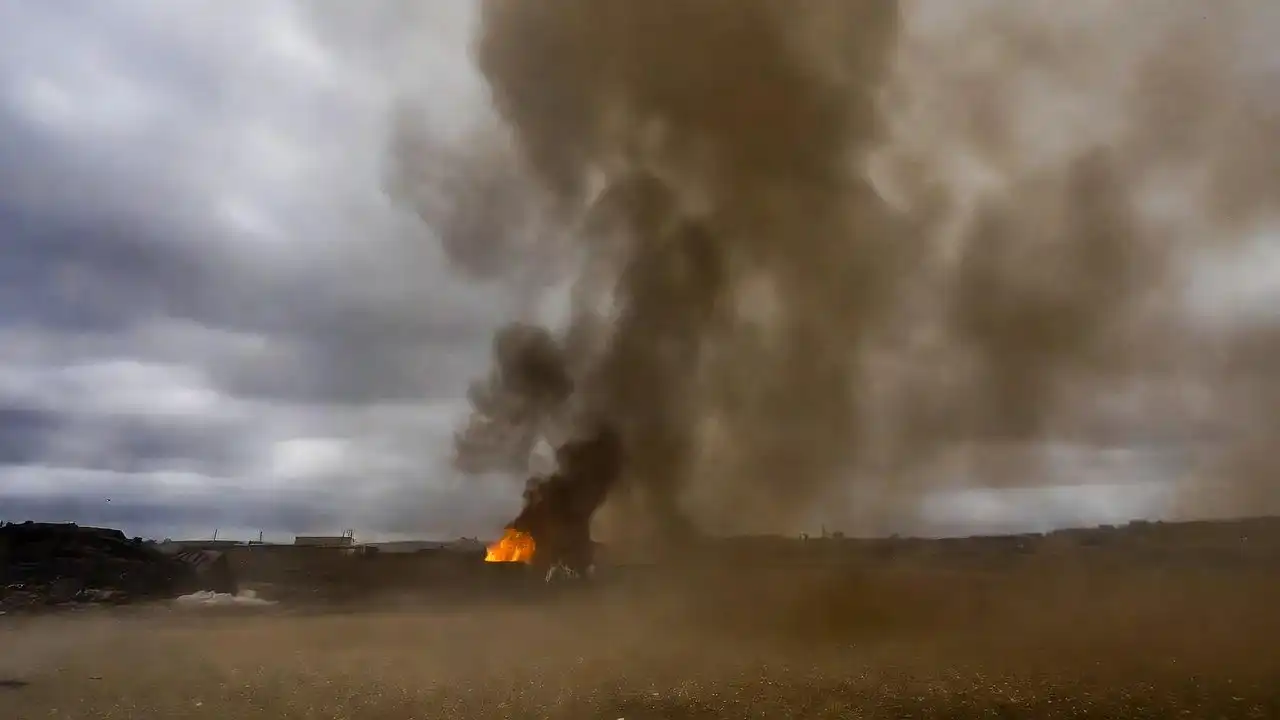
The United Nations recently warned that the intense conflict in the Middle East is severely damaging humanitarian operations around the world. UN aid chief Tom Fletcher stated that the crisis disrupts crucial supply chains and slows down the delivery of life-saving assistance to multiple danger zones. He described the current situation as a moment of grave peril for the entire globe.
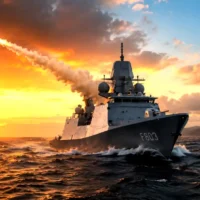
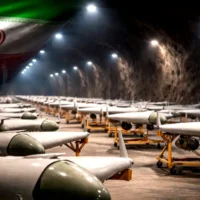
The massive war involving the United States, Israel, and Iran continues to expand. The fighting now drags in Lebanon and several Gulf countries, creating absolute chaos for global markets. Widespread airspace closures and the complete halt of cargo shipping through the critical Strait of Hormuz make travel almost impossible.
Fletcher explained that these blocked routes directly hurt vulnerable populations in Gaza and sub-Saharan Africa. Aid organizations usually send relief supplies through the Strait of Hormuz or fly them across Gulf airspace. Now, military actions severely restrict or completely block these essential transit paths.
Several countries already face terrifying emergencies and cannot afford these delays. For example, conflict-ridden Somalia battles a devastating drought, while Sudan deals with its own dire humanitarian crisis. People in these regions desperately need food and medical supplies just to survive the week.
The logistical nightmares do more than just delay rescue boxes. Fletcher noted that these transit restrictions drastically reduce the amount of physical goods relief workers can hand out. At the same time, the regional chaos forces energy and food prices to skyrocket. He called this dangerous combination a perfect storm of negative factors.
Getting supplies to sub-Saharan Africa causes particular concern for aid workers right now. Since cargo ships cannot sail through the Strait of Hormuz, transport companies must find alternative routes. These long detours cost significantly more money, quickly draining limited charity funds.
Surging oil prices also make emergency flights incredibly expensive. Fletcher pointed out that United Nations agencies and independent charities already face massive budget cuts from their donors. The UN barely scraped enough money together to keep its humanitarian planes flying, but the sudden spike in fuel costs threatens to ground those vital rescue missions completely.