

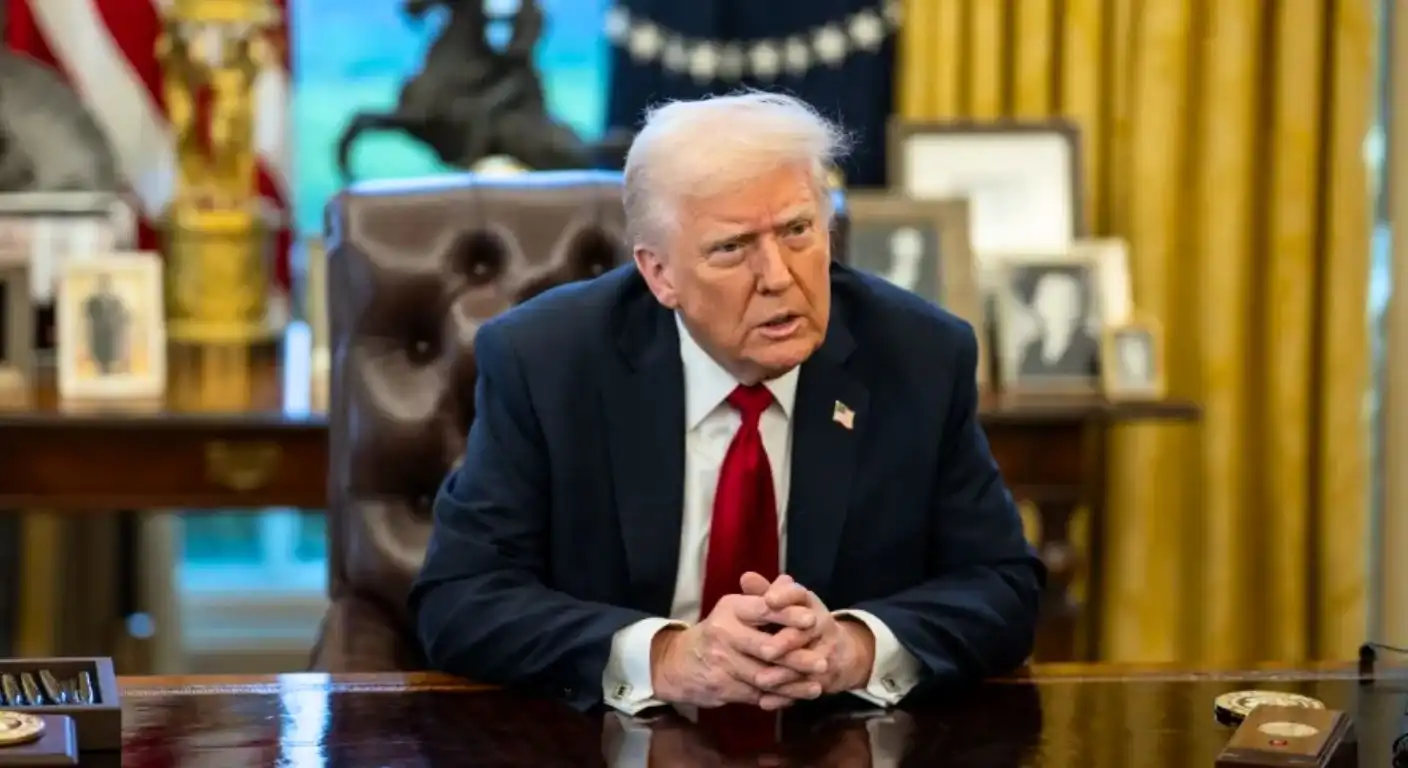
President Donald Trump plans to review fresh military options against Iran on Thursday. According to 2 sources with direct knowledge of the plans, the president wants to break a tense diplomatic standoff that has stalled progress for 2 weeks. The upcoming briefing shows Trump seriously considering major combat operations to force Iranian leaders back to the negotiation table.
United States Central Command leader Admiral Brad Cooper will run the high-level meeting at the White House. Cooper will present several hard-hitting choices to the president. One primary option includes a powerful wave of missile strikes directly targeting critical Iranian infrastructure. This aggressive move would immediately end the current ceasefire and plunge both nations back into active, daily fighting.
Military planners designed these proposed strikes to achieve a very specific goal. They want to squeeze Iran hard enough to secure a final nuclear deal, or they want to deliver a crushing blow to end the war entirely. The conflict originally kicked off in late February. Over the past 2 months, the United States has consistently demanded that Iran show real flexibility regarding its controversial nuclear weapons program. Trump wants guarantees that Tehran will never build a nuclear bomb, and he refuses to end the fighting without a signed agreement.
Earlier this week, Iran actually offered a compromise to end the standoff. Tehran proposed opening the busy Strait of Hormuz to stop the fighting. But the deal required the United States to drop all discussions about Iran’s nuclear activities completely. Trump quickly rejected this offer because he views the nuclear program as the absolute biggest threat to global safety.
The Thursday briefing will also cover extreme tactical operations. Admiral Cooper will present a plan using elite special forces to raid and secure Iran’s dangerous uranium stockpile. Another bold option involves sending American ground troops to seize control of parts of the Strait of Hormuz physically. Securing this area by force would allow normal commercial cargo ships to travel safely again without fear of attack.
Right now, the United States Navy maintains a heavy blockade around Iranian ports. Trump views this massive naval wall as his best tool to squeeze the Iranian economy. He expects the financial pain to force Tehran to accept American terms. On the other side, Iranian leaders refuse to hold any new peace talks until Trump calls off the naval ships and lets their trade resume.
This tense standoff heavily impacts global money markets and energy supplies. When news of the potential military strikes leaked late Wednesday evening, global oil prices reacted instantly. Brent crude futures, the international benchmark for oil prices, spiked to their highest level since the war started. The oil benchmark eventually gave back those sudden gains after a few hours, but the quick price jump proved just how deeply worried traders are about the Middle East.
The Strait of Hormuz remains the biggest flashpoint in this conflict. Iran effectively blocked this narrow waterway for nearly 60 days. This single chokepoint handles exactly 20% of the world’s total oil supply. Shutting it down raises serious concerns about global energy shortages and skyrocketing gas prices for everyday drivers. Tehran routinely targets commercial vessels passing through the area, making companies terrified to send their ships anywhere near the conflict zone.
While the military plans devastating new strikes, the State Department desperately wants help from other countries to secure the oceans. A new report on Wednesday revealed that the White House hopes to build a brand new global coalition. An internal government memo instructed American diplomats to recruit foreign nations for a protective group aggressively called the Maritime Freedom Construct.
This proposed maritime alliance would pool international resources to protect vulnerable cargo ships. Participating countries would share secret intelligence, enforce strict economic sanctions, and potentially provide their own military warships to escort civilian boats. Washington clearly wants its global allies to share the heavy burden of policing the oceans. Trump previously criticized European partners for sitting back and doing absolutely nothing to protect a waterway that their own economies rely on every single day.















