

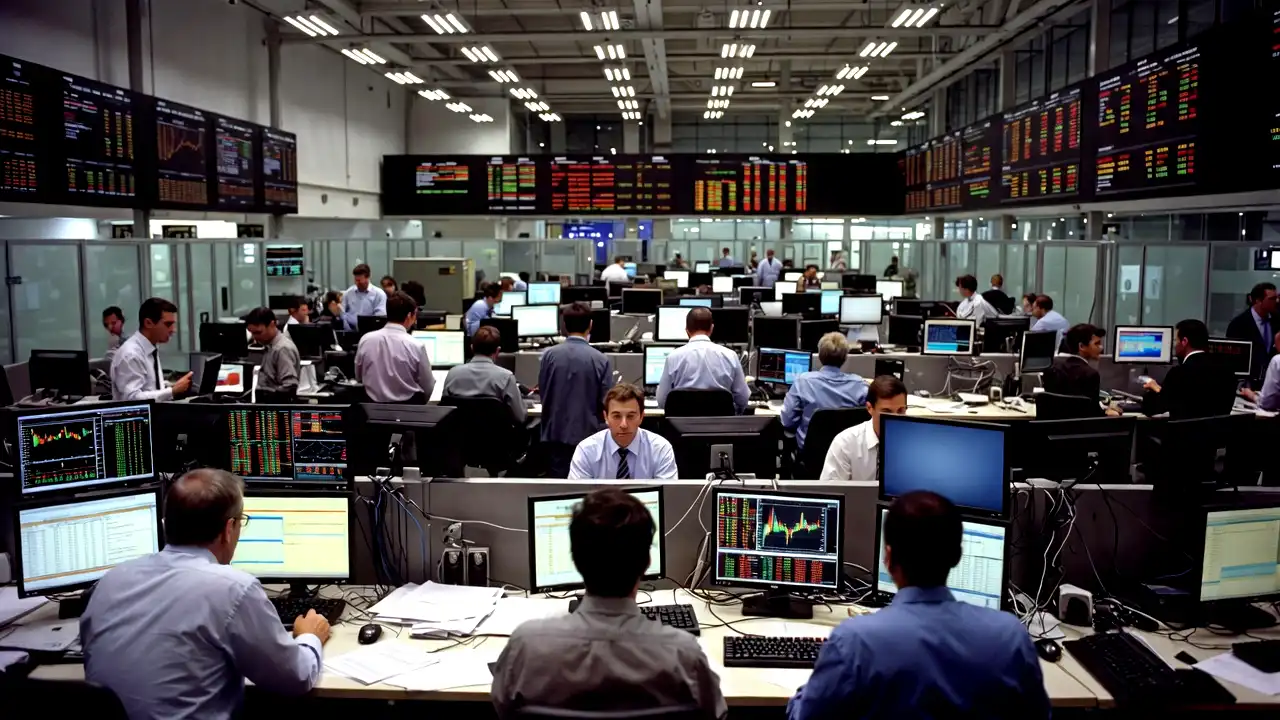
The Netherlands may be geographically small, but its footprint in the global financial landscape is undeniably colossal. As the birthplace of the modern stock exchange, Amsterdam has centuries of financial innovation woven into its cultural fabric. Today, Euronext Amsterdam is not just a regional hub for European capital; it is a critical barometer for global market sentiment. International investors continually look toward the Netherlands stock market trends to shape their broader portfolios, seeking exposure to its unique blend of robust technology giants, progressive sustainability frameworks, and deeply entrenched multinational conglomerates.
In the contemporary financial ecosystem, capital knows no borders. A ripple in the Dutch market can easily create waves across trading desks in New York, Tokyo, and London. By understanding the structural advantages and overarching trends that define the Dutch equities market, global investors can uncover strategic opportunities that offer both stability and aggressive growth potential. This article explores the defining characteristics of the Netherlands stock market and explains why its ongoing trends wield such profound influence over global investment strategies.
The Historical Foundation of the Dutch Stock Market
To truly appreciate the modern influence of the Dutch stock market, one must acknowledge its unparalleled historical pedigree. The Amsterdam Stock Exchange was established in the early seventeenth century, primarily to trade shares of the Dutch East India Company (VOC). This momentous development gave rise to the concept of the joint-stock company, allowing the general public to invest in global trade expeditions and share both the immense risks and the lucrative rewards.
This centuries-old foundation of financial ingenuity has fostered a culture of extreme openness, regulatory transparency, and structural resilience. Because the Netherlands has always relied on international trade for its economic survival, its financial institutions are inherently globalist in their perspective. For modern international investors, this history translates into a highly regulated, trustworthy, and sophisticated market environment. The institutional frameworks refined over centuries in Amsterdam continue to attract foreign capital, ensuring that the market remains liquid, dynamic, and securely integrated into the broader global economy.
Key Sectors Driving the Netherlands Stock Market
Understanding the Dutch stock market requires a deep dive into the specific industries that command the lion’s share of its market capitalization. For global investors, these sectors represent foundational pillars that often dictate the direction of international funds flowing into Europe. The Netherlands boasts a highly advanced economy, and its stock market heavily reflects its strategic advantages in technology, global trade, and financial services.
- Technology and Semiconductors: The Dutch market is heavily weighted toward high-tech manufacturing and semiconductor equipment. Companies operating in this space are not just European leaders; they hold absolute monopolies over critical nodes in the global supply chain, making the Amsterdam market a proxy for the global technology hardware sector.
- Consumer Goods and Retail: Home to several of the world’s largest consumer-staples multinationals, the Netherlands provides a defensive anchor for investors. These companies benefit from extensive global distribution networks, so their stock performance often reflects the health of worldwide consumer spending rather than just domestic European demand.
- Financials and Fintech: From traditional, centuries-old banking institutions to cutting-edge digital payment processors, the Dutch financial sector is incredibly diverse. The rise of financial technology firms on the Amsterdam exchange has redefined how global merchants process payments, blending old-world banking stability with new-world digital scalability.
The Impact of Dutch Semiconductor Giants on Global Tech
Perhaps the most significant reason global investors fixate on the Netherlands is its undeniable supremacy in the semiconductor equipment manufacturing industry. The modern digital economy—powering everything from smartphones and electric vehicles to advanced artificial intelligence systems—relies entirely on microchips. However, the world’s most advanced microchips cannot be manufactured without the hyper-specialized lithography machines designed and built in the Netherlands.
When global investors want to gauge the future of the technology sector, they do not just look at Silicon Valley; they look closely at the AEX index. The production forecasts, order intakes, and export restrictions affecting Dutch semiconductor firms serve as leading indicators for the entire global tech hardware supply chain. If a Dutch tech giant reports a slowdown in equipment orders, it signals a potential contraction in global chip manufacturing, prompting investors worldwide to adjust their tech portfolios accordingly. Conversely, strong performance in this sector attracts massive inflows of foreign capital, driving up valuations across the broader Dutch market and solidifying its status as an indispensable cog in global technology.
Sustainability and ESG Investing Trends
The Netherlands has long been a global pioneer in environmental sustainability, social responsibility, and corporate governance (ESG). As climate change and social equity take center stage in the global financial discourse, institutional investors are increasingly mandated to allocate capital toward ESG-compliant assets. Euronext Amsterdam has positioned itself at the vanguard of this movement, offering some of the world’s most stringent and transparent green financing frameworks.
For global investors, the Dutch market serves as a primary testing ground for green bonds, sustainable ETFs, and carbon-neutral corporate transitions. Large Dutch pension funds, which are among the wealthiest in the world, heavily influence these trends by demanding strict ESG compliance from the companies they invest in. This domestic pressure forces Dutch publicly traded companies to adopt world-class sustainability practices. Consequently, international investors seeking high-quality, ESG-friendly assets naturally gravitate toward the Netherlands. The trends established in Amsterdam regarding corporate disclosures and sustainable capital allocation often serve as a blueprint for regulatory bodies and exchanges across the globe.
The Role of Euronext Amsterdam in the European Landscape
Geopolitical shifts and macroeconomic realignments in recent history have dramatically altered the European financial landscape. As capital mobility adapts to new international trade agreements and border dynamics, Amsterdam has successfully captured a massive share of European equity trading volume. Its strategic geographic location, coupled with an English-speaking, highly educated workforce, has made it the premier destination for institutional capital seeking a stable European foothold.
This rise in prominence has transformed Euronext Amsterdam into a magnet for high-profile Initial Public Offerings (IPOs) and Special Purpose Acquisition Companies (SPACs). Global investors look to Amsterdam for fresh equity opportunities because the exchange provides access to deep liquidity pools and a regulatory environment that balances investor protection with corporate flexibility. When international venture capitalists and private equity firms decide to take European unicorns public, Amsterdam is frequently the exchange of choice. This ongoing influx of new listings ensures that the Dutch market remains a vibrant, growth-oriented environment capable of shaping broader European investment strategies.
Fintech Innovations and Digital Payments
The transition from physical cash to digital transactions is a universal trend, but the Netherlands has been instrumental in accelerating this global shift. Dutch financial technology companies have revolutionized omnichannel payment processing, providing the unseen digital infrastructure that allows the world’s largest e-commerce platforms, ride-sharing apps, and streaming services to operate seamlessly across borders.
Global investors are acutely aware that the future of commerce relies on frictionless, borderless payment systems. The innovations emerging from the Dutch fintech sector offer a direct investment vehicle into the growth of the global digital economy. Because these companies process transactions globally, their revenue streams are highly diversified and closely tied to international retail trends. By monitoring the valuations and quarterly earnings of Dutch fintech leaders, global investors can extract valuable insights into worldwide consumer behavior, cross-border trade volumes, and the overarching health of global e-commerce.
How Global Investors Can Capitalize on Dutch Market Trends
For international investors looking to integrate the stability and growth potential of the Dutch market into their own portfolios, there are several strategic avenues to consider. The accessibility of the Netherlands’ financial markets makes it relatively straightforward for both institutional and retail investors to gain exposure. Depending on risk tolerance and investment horizons, market participants can utilize various vehicles to capture the upside of Dutch economic trends.
- Direct Equity Investments: Investors can purchase shares of highly liquid, globally recognized Dutch companies directly through international brokerage accounts, focusing on companies with significant international revenue streams.
- Exchange-Traded Funds (ETFs): For broad exposure, country-specific ETFs that track the AEX index or broader European funds with a heavy Dutch weighting provide instant diversification without the need for individual stock picking.
- Dividend Yield Strategies: The Dutch market is historically known for robust corporate dividend policies. Investors seeking steady income generation can focus on mature Dutch conglomerates in the consumer goods and traditional financial sectors.
- ESG and Green Funds: Investors with strict sustainability mandates can allocate capital to specialized mutual funds and ETFs that prioritize Dutch companies leading the charge in environmental, social, and governance (ESG) initiatives.
Conclusion
The Netherlands stock market is far more than a regional financial center; it is a vital intersection of global technology, commerce, and sustainable finance. From its historic roots as the pioneer of the joint-stock company to its modern-day dominance in semiconductor manufacturing and digital payments, the Dutch market has consistently demonstrated its outsized influence on the world stage. Global investors who pay close attention to the trends originating on Euronext Amsterdam are better equipped to navigate the complexities of international equities. By offering a unique combination of innovative growth sectors, stringent ESG frameworks, and enduring multinational stability, the Netherlands will undoubtedly remain a cornerstone of sophisticated global investment strategies for generations to come.















