

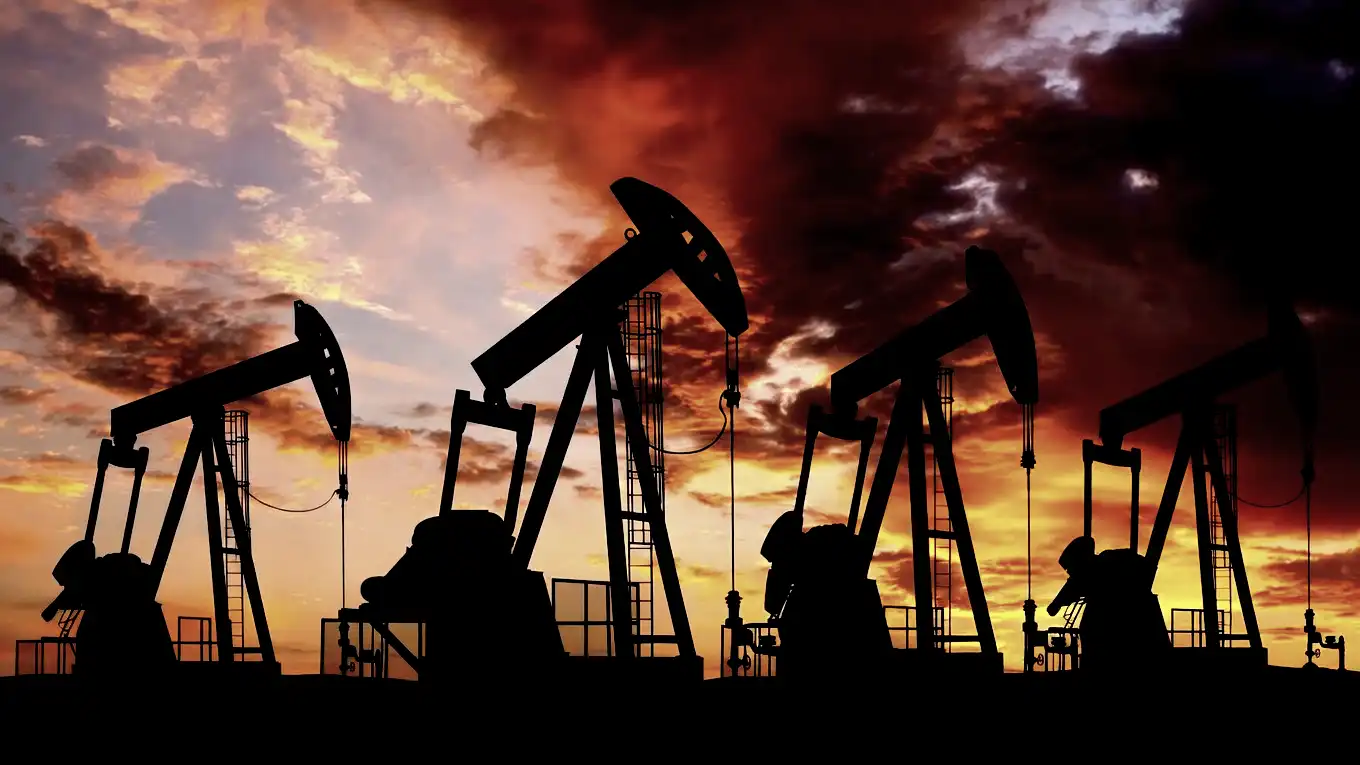
Oil prices look completely ready to jump even higher this Monday morning. Last week, the global energy market closed at its highest level in almost four years. The sudden panic comes right after United States President Donald Trump and Iranian leaders exchanged fierce threats to destroy major energy facilities. Analysts believe this escalating crisis will have a significant impact on everyday drivers and large businesses alike.
On Saturday, Trump issued a strict ultimatum to the Iranian government. He threatened to completely obliterate Iranian power plants if Tehran fails to fully reopen the Strait of Hormuz within exactly 48 hours. This aggressive move surprised many geopolitical experts. Just one day earlier, Trump actually mentioned he wanted to start winding down the war, which currently sits in its fourth week.
Iranian officials quickly fired back on Sunday with their own severe warnings. They promised to launch direct attacks on American-linked infrastructure across the Gulf if Trump carries out his bombing threat. Iran specifically highlighted regional energy hubs and vital water desalination facilities as their primary targets, raising the stakes for everyone living in the region.
These heavy military threats instantly shook the global financial markets. On Friday, Brent crude futures jumped by 3.26% to close at a staggering $112.19 a barrel. This specific number marks the highest global oil price since July 2022. Overall, Brent crude gained an impressive 8.8% last week alone. Meanwhile, the American WTI crude dropped by 0.4%, widening the price gap between the two major oil benchmarks to its widest point in 11 years.
Market experts warn that buyers will face extreme volatility. Tony Sycamore, a prominent market analyst, called Trump’s new ultimatum a ticking time bomb hanging over the energy sector. Energy Aspects founder Amrita Sen agreed, noting that Trump wants to prove he can out-escalate his enemies. She fears this aggressive strategy will ultimately leave Gulf infrastructure in absolute ruins.
The closed Strait of Hormuz already causes massive headaches for the global economy. Over the first 22 days of the war, the shipping blockade removed about 440 million barrels of oil from the worldwide market. This equals a loss of four full days of global supply. To make matters worse, International Energy Agency director Fatih Birol told reporters that fixing these broken Middle East supply chains could easily take up to six months.
Beyond the money, the conflict threatens a massive humanitarian crisis. Iran already bombed refineries and ports in Saudi Arabia, Kuwait, Bahrain, Qatar, and the United Arab Emirates. Fortunately, Tehran still refrains from hitting the massive desalination plants that provide clean drinking water to millions of civilians. The Atlantic Council warns that destroying those vital water facilities would make major Gulf cities completely uninhabitable within just a few weeks.
As the clock ticks down, the United States military weighs its next heavy moves. Government insiders recently told reporters that the Trump administration might attempt to occupy or blockade Iran’s famous Kharg Island. They hope this extreme pressure will finally force Iran to reopen the Strait of Hormuz. Right now, traders and citizens simply wait to see who will fire the next shot.















