

Exactly 2 months into a brutal war with the United States and Israel, the Islamic Republic of Iran faces a massive internal power shift. An initial military strike killed Supreme Leader Ayatollah Ali Khamenei on the very first day of the conflict. This sudden death destroyed the system Iran built back in 1979. Today, the country no longer answers to 1 single religious leader. Instead, the commanders of the Islamic Revolutionary Guard Corps took absolute control of the government and its military strategy.
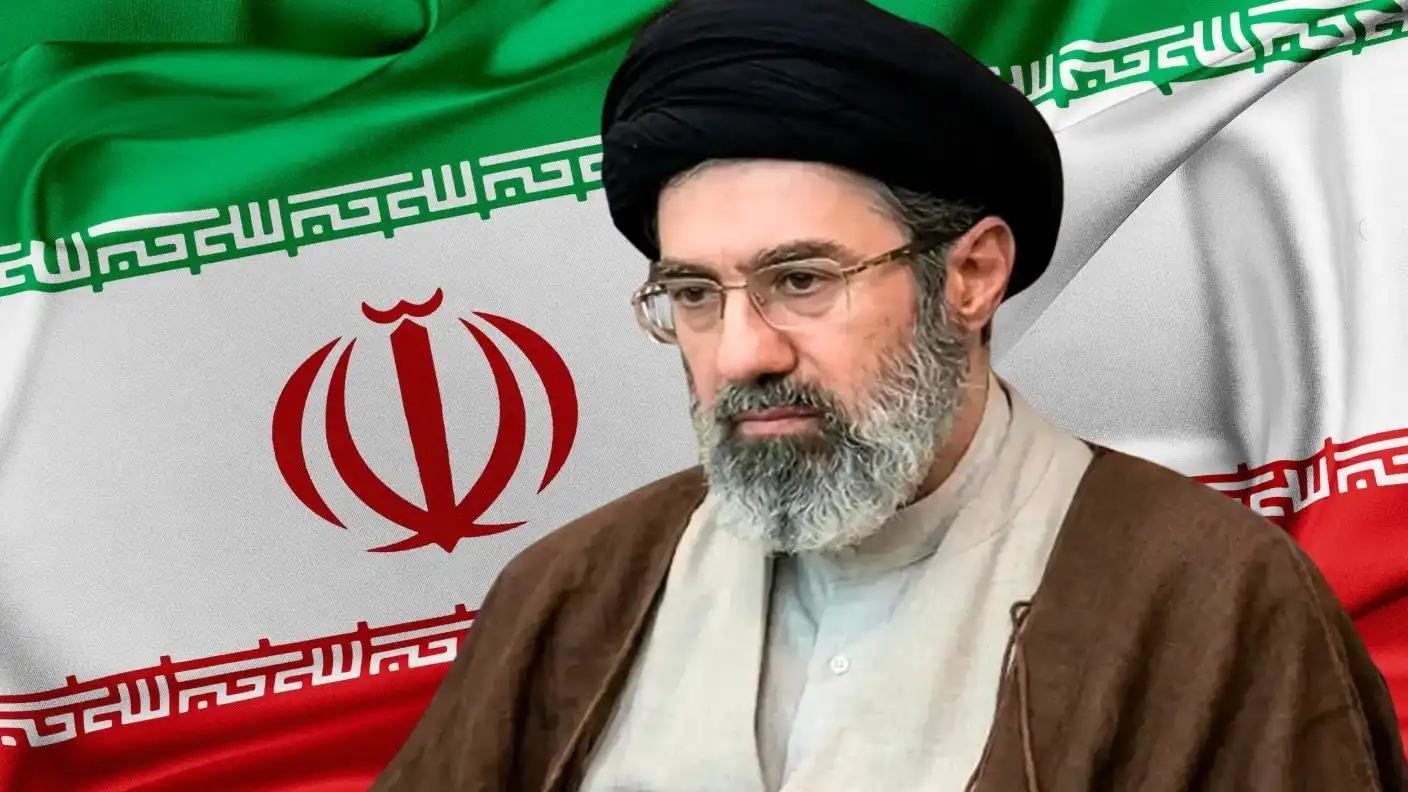
The government elevated Khamenei’s son, Mojtaba, to the top leadership role, but he holds almost 0 actual power. The opening missile strike severely injured Mojtaba and left him with terrible leg wounds. He refuses to appear in public and only communicates through trusted military aides or limited audio links. Exactly 3 officials familiar with the government say Mojtaba simply stamps his approval on decisions made by his generals. He does not issue his own orders.
This new military committee style of governing creates massive delays for international diplomats. A senior Pakistani official currently helping mediate peace talks between Washington and Tehran expressed deep frustration. He explained that Iran lacks a clear command structure. Because the generals must agree on every single detail, the Iranian side often takes 2 to 3 days just to answer basic questions.
Analysts confirm that the biggest hurdle to a peace deal is not internal fighting in Tehran, but a massive gap in demands. Foreign Minister Abbas Araqchi serves as Iran’s public face in diplomacy. Parliament speaker Mohammed Baqer Qalibaf recently joined him at the negotiating table. However, sources confirm that military commander Ahmad Vahidi holds 100 percent of the real power on the ground. Vahidi makes the final choices, including announcing a recent temporary ceasefire.
Iran sent a brand new peace proposal to Washington on Monday. Senior Iranian sources say this plan demands staged negotiations. Iran wants to resolve disputes over Gulf shipping first and set aside all nuclear discussions until the shooting completely stops. Washington absolutely rejects this idea and demands that Iran address the nuclear issue on day 1 of the talks.
Experts believe neither side actually wants to negotiate right now. Alan Eyre, a former American diplomat, noted that both countries think time works in their favor. Iran uses the Strait of Hormuz to squeeze global trade, while Washington relies on an economic blockade to starve Tehran. Eyre stated that neither side can afford to compromise. The Iranian military worries about looking weak, while President Donald Trump faces intense pressure ahead of the upcoming midterm elections. If either leader shows flexibility, their political enemies will attack them mercilessly.
Real power now lives entirely inside the Supreme National Security Council. Hardline politicians and former nuclear negotiators still make angry speeches on television, but they lack the clout to shape actual outcomes. The military completely sidelined moderate politicians. Analysts say the choice in Iran today is no longer between moderate and hardline policies, but between hardline and even more extreme military actions.
Aaron David Miller, a former American negotiator, perfectly described the massive political shift. He stated that Iran moved completely from divine power to hard power. The clerics lost their influence, and the Revolutionary Guard Corps now governs the entire nation. Despite facing intense military strikes and severe economic pressure for nearly 9 weeks, Iran shows absolutely no signs of breaking apart.
Experts see 0 meaningful opposition or massive protests on the streets of Tehran. This strong social cohesion proves that the military and security services drive the war effort effectively. The generals share 1 clear, unified goal. They plan to avoid a full-scale war, maintain their grip on the Strait of Hormuz, and emerge from the conflict stronger than before, politically and economically.















