

The United Arab Emirates will officially leave the OPEC oil cartel on May 1. This massive decision strips the powerful group of its status as the third-largest oil producer. The departure severely weakens the cartel’s ability to control global oil supplies and dictate international fuel prices. The Middle Eastern country decided to withdraw after spending decades in the organization.
Experts expected this move for several months. For the past few years, the UAE fought bitterly against the strict production limits that OPEC forced on its members. The country spent billions of dollars to upgrade its drilling equipment and expand its total energy capacity. Because of the strict OPEC rules, the country could not sell as much oil to the world as it wanted. Capital Economics analysts noted that the UAE simply itched to pump more fuel and make more money.
Before the war started on February 28, the UAE pumped roughly 3.4 million barrels of crude oil every single day. Now, the country wants to maximize its investments. Energy experts believe the nation possesses the physical equipment to produce up to 5 million barrels a day. The state-run WAM news agency announced that the country will also leave the broader OPEC+ group, which Russia leads, to help stabilize global energy markets.
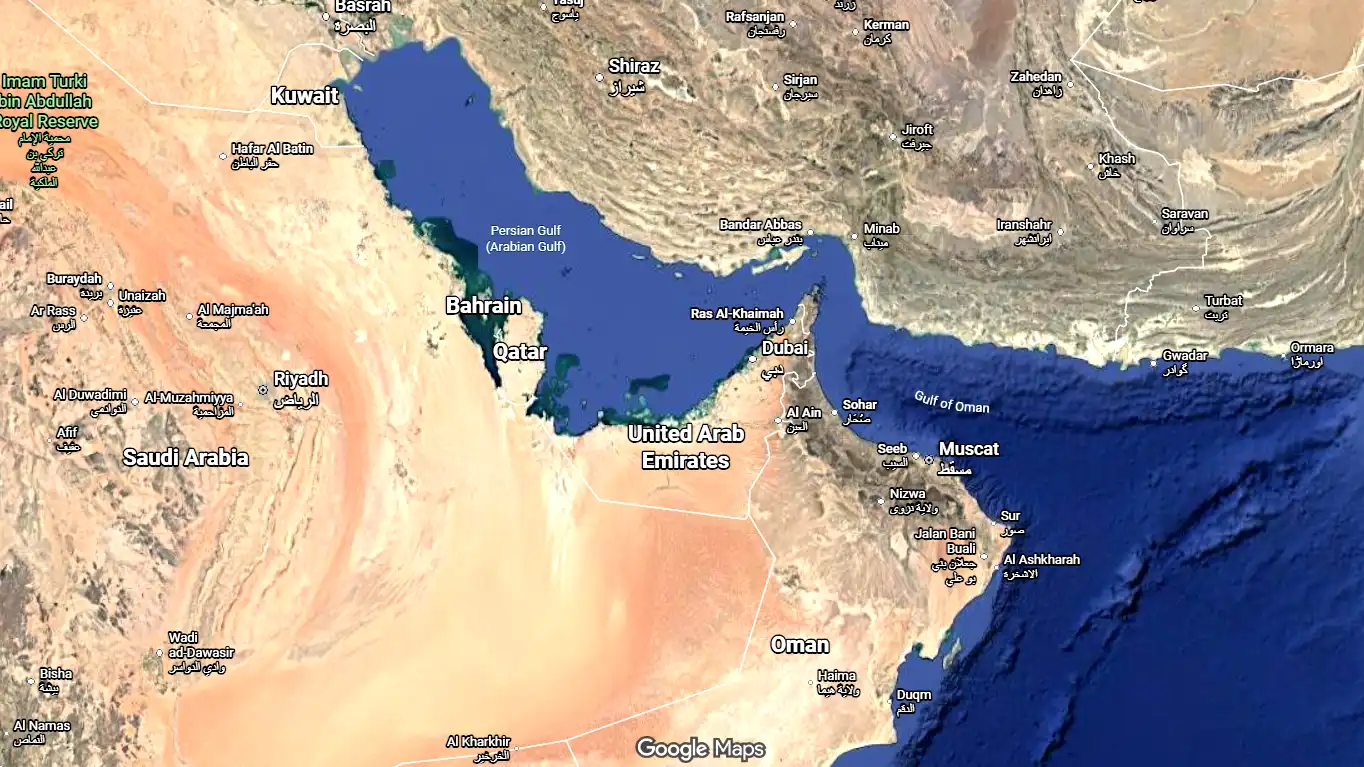
Surprisingly, this dramatic exit will not immediately shock the global oil market. The ongoing war involving the United States, Israel, and Iran already restricts global fuel supplies heavily. The fighting closed the vital Strait of Hormuz. This narrow waterway usually handles exactly 20 percent of all global oil shipments, including most of the UAE’s exports. Because ships cannot pass safely, the international benchmark Brent crude currently trades above $111 per barrel. This price sits more than 50 percent higher than it did before the war began.
OPEC traditionally controls about 40 percent of the worldwide oil output. However, the group loses its grip on the market every single year. The United States now pumps over 13 million barrels of oil a day, completely dominating the global market. Meanwhile, Saudi Arabia produced just over 10 million barrels a day before the recent fighting started. United States President Donald Trump frequently criticizes the cartel and cheers for its decline.
Deep political tension between the UAE and Saudi Arabia likely triggered this split. The two rich nations constantly compete for economic power and influence in Middle East politics. They originally joined forces to fight Houthi rebels in Yemen back in 2015. That alliance collapsed late last December. During a major dispute, Saudi Arabia bombed a weapons shipment traveling to Yemeni fighters supported by the UAE. Following this fight, major Saudi television networks moved their headquarters out of Dubai and returned to the kingdom.
Diplomatic snubs continue to happen between the two neighbors. On Tuesday, Saudi Crown Prince Mohammed bin Salman hosted a major meeting for Gulf Arab leaders in Jeddah. The UAE refused to send its top ruler, instead sending its foreign minister. Despite these obvious public slights, Emirati Energy Minister Suhail al-Mazrouei told CNBC that his country holds Saudi Arabia in the highest regard. He insisted that the decision to leave OPEC had absolutely nothing to do with a political fight.
Energy experts see a clear business strategy behind the exit. The UAE wants total flexibility to deal with massive energy buyers like China on its own terms. Karen Young, a senior researcher at Columbia University, explained that the country wants a much more competitive relationship with Saudi Arabia. Qatar left the group in 2019, indicating that member countries no longer feel bound together. Jorge Leon, an analyst at Rystad Energy, warned that a weaker OPEC will find it extremely difficult to balance global fuel supplies in the future.
The desire to drill more oil clashes directly with recent climate promises. The UAE hosted the massive COP28 climate summit in 2023. At that event, nearly 200 countries signed a pledge to move away from fossil fuels that cause warming. Regardless of that signed promise, the UAE fully intends to ramp up its oil production over the next few years. Climate activists feel furious about the broken promises.
American officials actually encourage this aggressive drilling strategy. United States Interior Secretary Doug Burgum spoke at a large oil conference in Abu Dhabi last November. He told the crowd that global power demand will only go up. He proudly announced that the world will not see an energy transition, but only an energy addition. The Emirati crowd rewarded his speech with loud, enthusiastic applause.















