

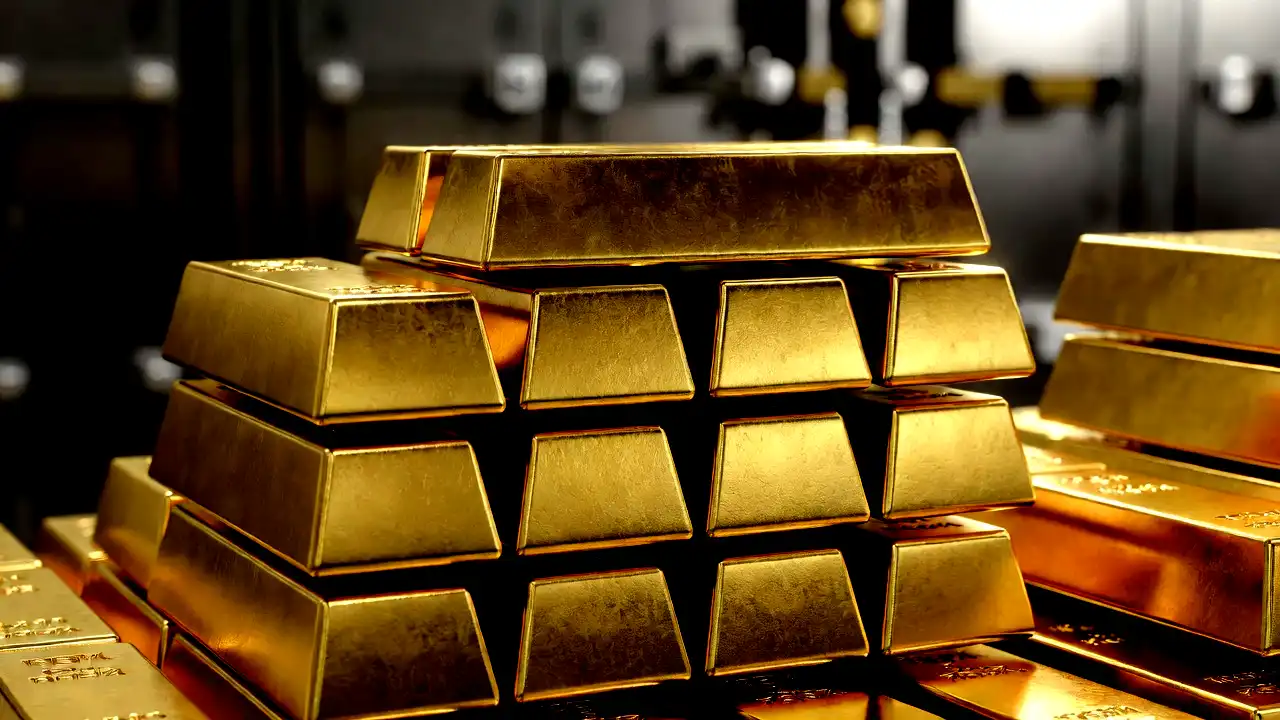
Gold prices took a heavy hit on Tuesday, dropping to their lowest levels in nearly a month. Spot gold fell exactly 1.8 percent to close the day at $4,597.06 an ounce. Meanwhile, gold futures also dropped 1.8 percent to settle at $4,609.35 an ounce. Traders sold off their precious metals as currency values shifted and oil prices continued their rapid climb.
Currency markets played a major role in pushing gold prices down. The United States dollar gained significant strength against a basket of other major currencies. Because global markets price gold in dollars, a stronger greenback makes the yellow metal much more expensive for overseas buyers. Investors currently view the dollar as a safe place to park their cash. Since the United States exports massive amounts of energy, it can better withstand global oil supply shocks than its rivals.
The ongoing war in the Middle East continues to wreck the global energy market. Oil prices jumped again on Tuesday following bad news about diplomatic peace talks. President Donald Trump told his staff he felt very unhappy with the latest peace proposal from Iran. The 2 rival nations have fought a brutal war for exactly 2 months now. Iran offered to end the fighting and reopen the Strait of Hormuz, but they demanded that any discussions about their controversial nuclear program.
Trump firmly rejected that delayed timeline. He reminded everyone that stopping the Iranian nuclear program served as the main reason he and Israel started their joint military campaign back in late February. He refuses to sign a peace deal that ignores the nuclear threat. CNN reported that mediators working in Pakistan expect Iran to send a revised peace proposal within the next few days, but the situation remains extremely tense.
Because the two sides cannot agree, the Strait of Hormuz remains completely closed to commercial shipping traffic. This narrow waterway off the southern coast of Iran serves as a major artery for global energy trade. Roughly 20 percent of the crude oil in the entire world usually flows through this specific channel. With warships blocking the route, less oil reaches the open market, which drives fuel prices higher every single day.
Expensive oil creates a massive headache for the global economy. When fuel costs rise, shipping companies and factories spend more money to operate. They pass these extra costs directly to everyday consumers, causing a massive surge in inflation. Central banks watch these rising prices with deep concern. To stop inflation from ruining the economy, central banks usually raise interest rates to cool down consumer spending.
This economic setup creates terrible conditions for gold investors. Gold bars sit in a vault and pay absolutely 0 percent in monthly interest. When central banks raise interest rates, investors tend to shift their cash into government bonds or high-yield savings accounts that generate a steady return. Gold almost always performs poorly in an environment where interest rates stay high.
Investors circled their calendars this week because central banks around the world plan to make major announcements. Experts expect exactly 10 central banks to announce new interest rate decisions over the next few days. Financial traders want to see exactly how the oil price spike will impact borrowing costs for everyday citizens and large corporations.
The Bank of Japan went first, kicking off the busy week on Tuesday. The Japanese bank decided to leave its short-term policy rate completely unchanged at exactly 0.75 percent. However, bank officials issued a stern warning to the public. They noted that the war in the Middle East is cooling down normal economic growth while simultaneously pushing local inflation much higher.
The Japanese decision featured plenty of internal drama. The vote to keep rates flat was not unanimous. Exactly 3 of the 9 board members argued that the bank needed to raise interest rates right away. This marks the highest number of votes of disagreement the Japanese central bank has seen since January 2016. The close vote shows that banking leaders feel very nervous about the current economy.
The Bank of Japan clearly signaled its plans. Officials stated that underlying inflation approaches their 2 percent target, while real interest rates remain at significantly low levels. They promised to continue raising the policy rate as prices and financial conditions evolve. Analysts at Capital Economics read the official bank report and predicted that the Japanese bank would officially hike rates this June.
The rest of the global financial heavyweights will take the stage very soon. The Federal Reserve, the European Central Bank, and the Bank of England will all announce their own interest rate decisions later this week. Gold traders will watch these announcements closely, waiting to see whether they should buy the dip or sell off the rest of their precious metals holdings.















