

Japan’s agriculture minister, Suzuki Norikazu, recently made an official visit to Bangladesh with a clear mission. He wants to increase the amount of Japanese agricultural goods, especially rice and processed foods, sold in the South Asian nation. Suzuki held a face-to-face meeting with his Bangladeshi counterpart, Mohammad Amin Ur Rashid, in Dhaka on Wednesday to discuss this growing trade opportunity.
During their talks, Suzuki highlighted a significant diplomatic achievement from earlier this year. He pointed to the economic partnership agreement that Japan and Bangladesh successfully signed in February. This new trade deal opens the door for smoother business transactions between the two nations. Suzuki told Rashid that Japan strongly hopes to use this agreement to boost its exports of agricultural, forestry, and fisheries products directly to the Bangladeshi market.
Rashid responded positively but also outlined his own country’s needs. He told Suzuki that Bangladesh actively seeks technological support from Japan. Specifically, Bangladesh wants help improving its domestic agricultural practices and enhancing its overall food safety standards. This request shows that both countries see potential benefits in a deeper agricultural partnership that blends Japanese technology with Bangladeshi market access.
Following the formal meeting, Minister Suzuki took a hands-on approach to understand local consumer habits. He visited a busy supermarket located right in the heart of Dhaka. While walking the aisles, Suzuki inspected the various varieties of rice and other food items available to everyday shoppers. This visit helped him gauge which Japanese products might appeal most to local tastes and budgets.
The potential market in Bangladesh is massive and growing quickly. The country currently boasts a population of more than 170 million people. Furthermore, economic experts predict that Bangladesh will experience even stronger economic growth over the next decade as its middle class expands. This combination of a huge population and rising wealth makes Bangladesh a highly attractive target for global food exporters.
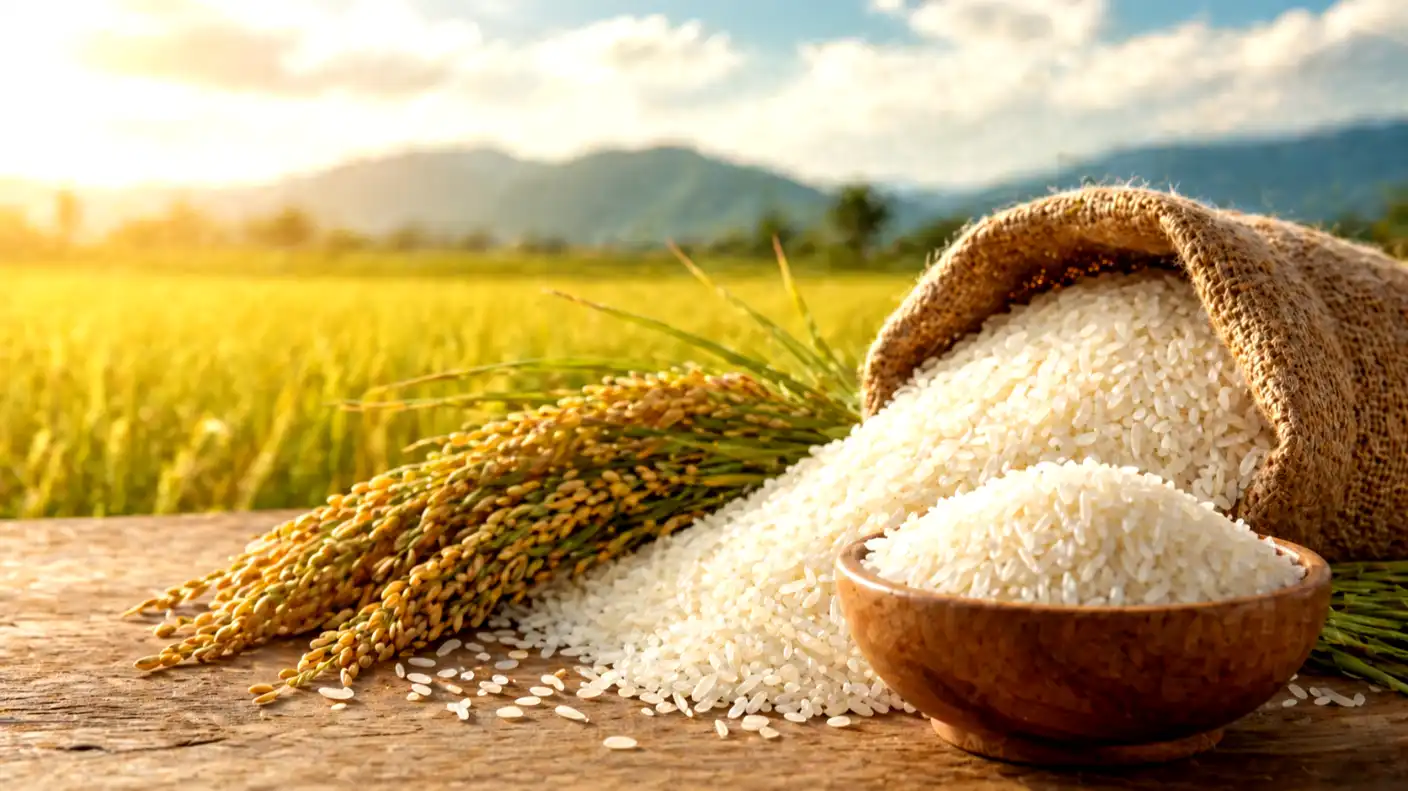
Japan feels particularly keen to introduce more of its traditional foods into this expanding market. Rice is the primary staple food for the Bangladeshi people, making it a natural fit for Japanese farmers, who produce high-quality rice varieties. Japanese officials believe that if they can introduce their premium rice and processed foods at competitive prices, they can capture a significant and lucrative share of the local grocery market.
Minister Suzuki expressed strong confidence in this new trade strategy. He stated that the government in Tokyo will actively work to develop new consumer markets in countries exactly like Bangladesh. He pointed out that Japan and Bangladesh share a long history of traditionally friendly relations, which makes doing business much easier. Furthermore, he noted that the general understanding and appreciation of Japanese food culture is steadily deepening among Bangladeshi consumers.
This agricultural push is part of Japan’s broader strategy to support its domestic farmers by finding new international buyers. As Japan’s population slowly shrinks, domestic demand for food is declining. By securing new export markets in rapidly growing countries like Bangladesh, Japan hopes to keep its agricultural sector profitable and vibrant for years to come.