

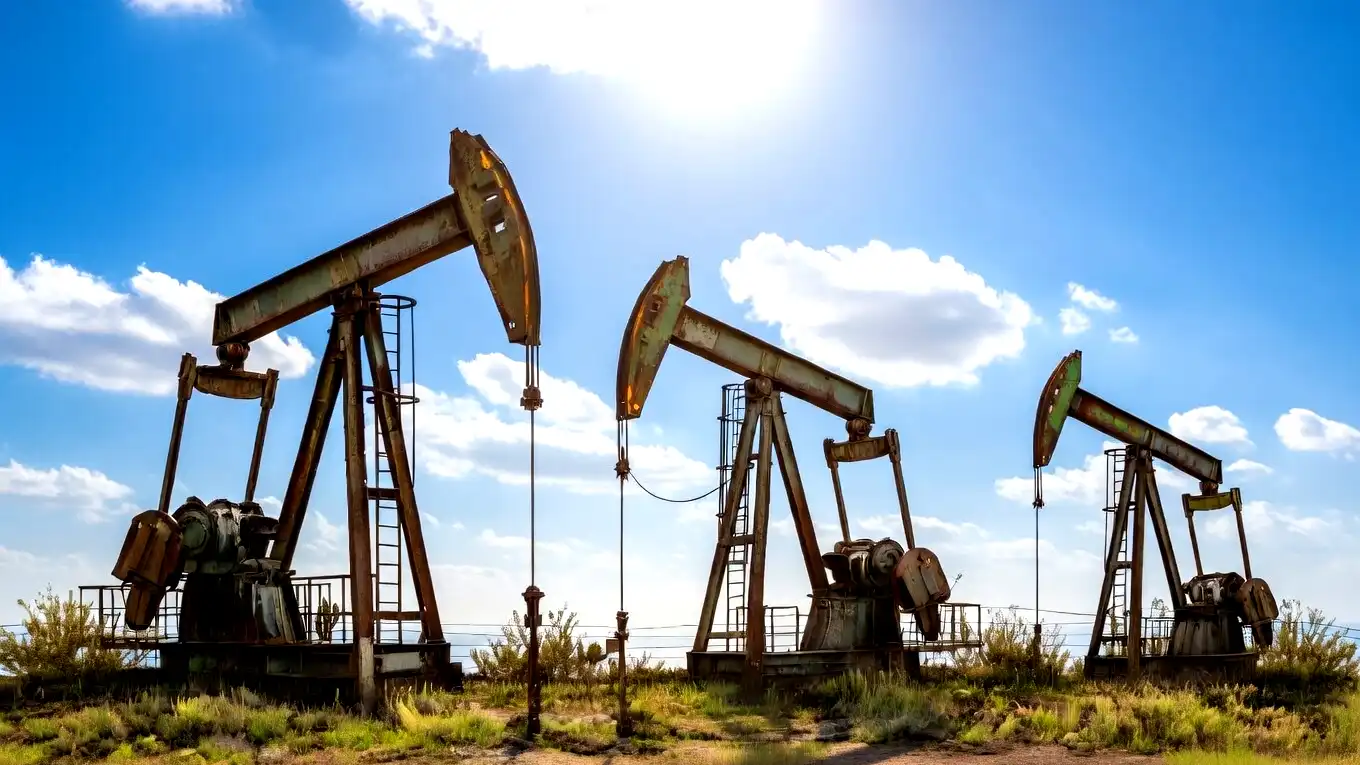
Oil prices dropped on Thursday, but they are still locked in solid gains for April. At 15:35 Eastern Time, global benchmark Brent crude oil futures for June fell 3.3% to hit $114.08 per barrel. Meanwhile, United States West Texas Intermediate crude for June dropped 1.9% to settle at $104.86 per barrel. Despite this daily dip, the market continues to feel the heavy impact of the Strait of Hormuz being closed.
These daily price drops arrived just one day after Brent crude surged to its highest price since March 2022. The Wall Street Journal sparked that massive price climb when it reported that President Donald Trump ordered his team to prepare a long-term naval blockade. This blockade targets the coastline and seaports of Iran. Market traders reacted quickly to news of a tighter squeeze on global oil supplies.
Prices actually started on Thursday on a high note after Axios reported that Trump plans to review new military options. Admiral Brad Cooper, the leader of the United States Central Command, will brief the president later today. Cooper will present several aggressive options to break the current deadlock. These choices include launching a fresh wave of military attacks against Iran, forcing the Strait of Hormuz open for commercial ships, or sending special forces to capture Iran’s uranium stockpile.
Washington and Tehran remain deadlocked because recent attempts to organize peace talks have failed. Trump spoke to reporters and claimed that Iran desperately wants to reach an agreement. However, he insisted firmly that Iran cannot possess nuclear weapons. Market experts know that sudden military or political moves could drastically change global oil availability overnight.
Sean Peche, a portfolio manager at Ranmore Fund Management, advised investors to stay calm. Peche noted that no one, not even Trump, knows exactly what will happen next. He warned against trying to guess the next move or trading based solely on daily news headlines. Instead, Peche told investors to build a diversified portfolio and hold a long-term view. He argued that investors cannot simply abandon their long-term strategies the moment a crisis heats up.
On Wednesday, the Wall Street Journal also reported that Trump wants to build an international coalition to reopen the Strait of Hormuz. He has repeatedly asked other countries to help secure this vital shipping lane. However, major allies of the United States refuse to participate in the military effort. Trump openly criticized NATO members for failing to provide military support to the United States and Israel during the early days of this conflict.
The oil market also experienced a brief pause in its upward climb after the United Arab Emirates announced a major decision. The Middle Eastern nation plans to leave the Organization of Petroleum Exporting Countries this week. This dramatic exit usually signals that a country intends to pump more oil and increase production. However, experts say the United Arab Emirates cannot realistically boost its daily oil output right now because the ongoing war with Iran continues to disrupt local operations.
Looking back at the recent months reveals staggering numbers for the energy sector. In March, Brent crude achieved its largest single-month gain on record. At the same time, West Texas Intermediate crude recorded its best monthly performance since May 2020. Even with temporary daily dips, the overall trend clearly points upward as the global supply chain struggles to function.
Since the beginning of April, the United States, Iran, Israel, and Lebanon have agreed to multiple ceasefire extensions. Yet, these temporary pauses in fighting do not fix the core problem. The Strait of Hormuz remains completely shut down. Furthermore, the United States continues to enforce its strict naval blockade. Together, these two factors have created the largest disruption to global oil supplies in recorded history.
Surprisingly, market analysts believe traders will continue to brush off the worst fears. Analysts Bruce Kasman and Joseph Lupton from JPMorgan released a note to clients on Wednesday explaining the raw data. They estimate that the closure of the Strait of Hormuz wiped out more than 10% of the total global crude oil supply. Despite losing such a massive amount of oil, they noted that Brent crude prices for April increased by only a modest 43% relative to their 1-year trailing average.















