

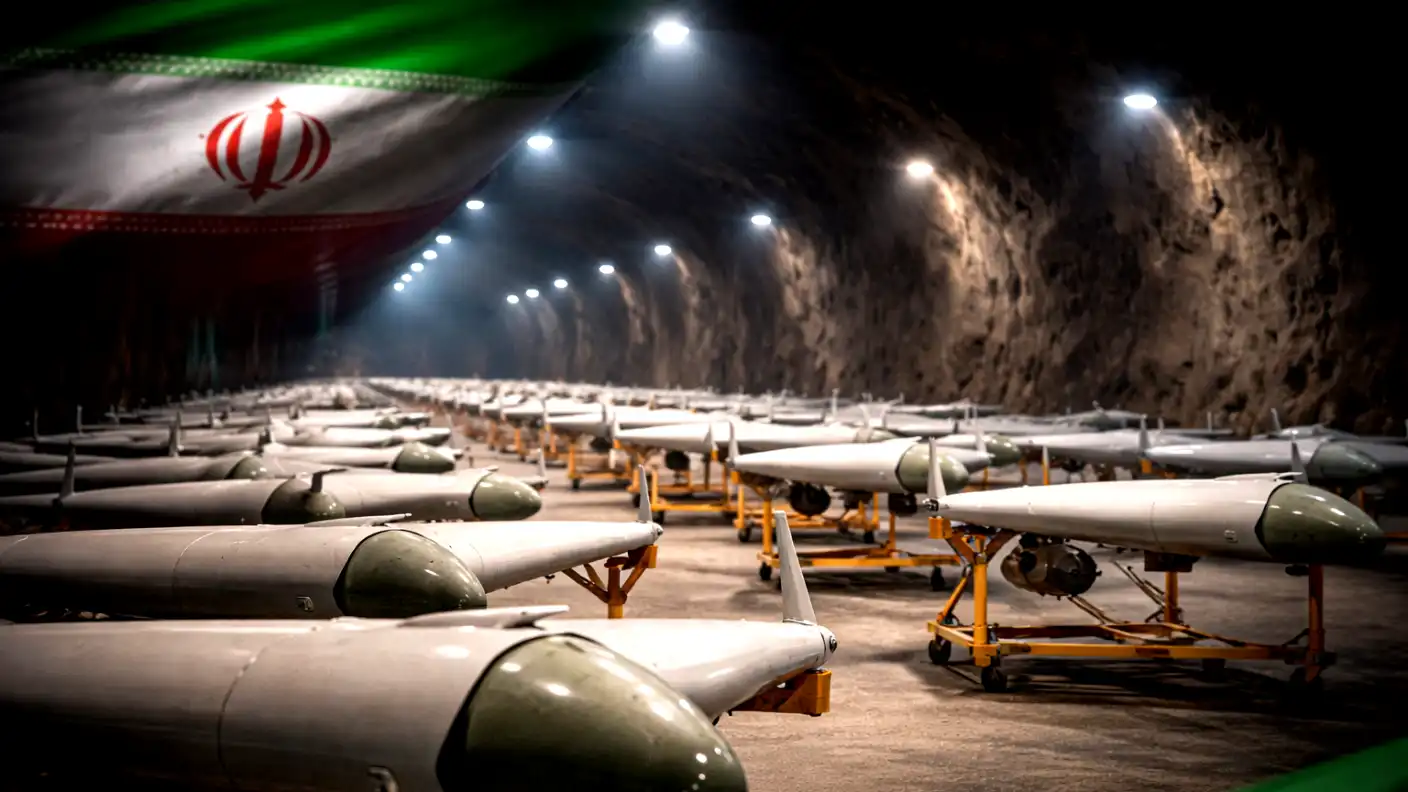
Iran warned the United States on Thursday that any new military attacks would trigger long and painful strikes against American bases and warships. Tehran also renewed its claim over the Strait of Hormuz. This bold move complicates American efforts to build a coalition that can reopen the blocked waterway. The standoff enters its second month as the United States and Israel continue their war with Iran. Right now, the blocked sea channel traps roughly 20 percent of the world’s oil and gas supplies. This sudden closure creates widespread panic in global markets. Energy prices continue to hit record highs as countries scramble to secure fuel.
Leaders from both sides hit a wall in their efforts to end the fighting. A fragile ceasefire took effect on April 8, but Iran refuses to open the strait. Iranian leaders block the shipping lane because the US Navy currently enforces a strict blockade on Iran’s own oil exports. Those oil exports serve as Tehran’s main economic lifeline. The global economy feels the pain immediately. News site Axios reported late Wednesday that US officials plan new strikes, and oil markets reacted wildly to the rumor. The benchmark Brent crude contract jumped past $126 a barrel before settling near $114. Traders worry that the ongoing freeze in oil shipments will soon spark a global economic recession.
President Donald Trump met with his military advisors on Thursday to review plans for fresh strikes against Iran. US officials told Reuters that Trump wants to use these military options to force Tehran back to the negotiating table. Trump also spoke to reporters about his goals for the region. He promised Americans that he would never allow Iran to build a nuclear weapon. He then addressed soaring gas prices, which hurt his Republican Party as the November midterm elections approached. Trump promised voters that gas prices would drop heavily the moment the war ended.
Trump also addressed the upcoming soccer World Cup, which the United States will host. He criticized Iran for serious human rights violations but agreed to let the Iranian soccer team compete in the tournament. FIFA president Gianni Infantino insisted earlier that the Iranian team must participate, and Trump told reporters he accepts the decision. Meanwhile, Iranian officials threw cold water on the idea of peace talks. Iranian Foreign Ministry spokesman Esmaeil Baghaei spoke through the state-run IRNA news agency on Thursday evening. He told reporters that no one should expect quick results from negotiations with Washington, regardless of who tries to mediate the talks.
Tensions on the ground escalated late Thursday night. Residents in several neighborhoods across Tehran heard loud air defense sirens and explosions. The semi-official Mehr news agency reported the military activity. In contrast, the Tasnim news agency explained that Iranian forces shot at small drones and unmanned surveillance aircraft flying over the capital. The growing military threat frightened neighboring countries. The United Arab Emirates issued an emergency order on Thursday banning all its citizens from traveling to Iran, Lebanon, and Iraq. UAE officials urged any citizens currently inside those three countries to pack their bags and return home immediately due to the dangerous regional developments.
Leaders within Iran’s Revolutionary Guard Corps ended the day by reiterating their stark warnings to the American military. A senior official stated that even a limited US strike would launch a massive retaliation against American forces in the Middle East. Aerospace Force Commander Majid Mousavi delivered a direct threat through Iranian state media. He reminded US forces about previous attacks on their regional bases and promised that American warships would soon face the same destruction.















