

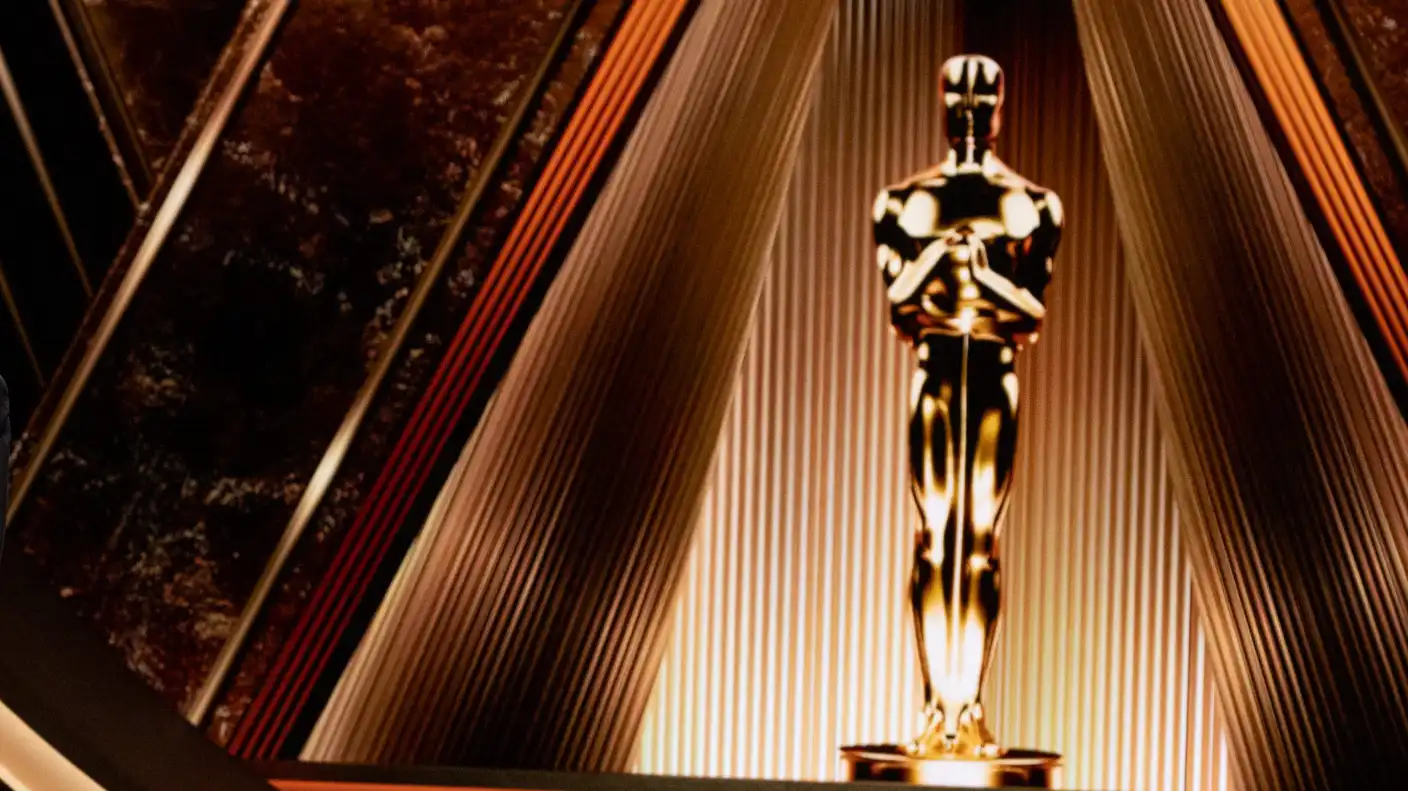
For the first time in history, the Academy of Motion Picture Arts and Sciences has officially addressed the role of artificial intelligence in filmmaking. Ahead of the 2027 Academy Awards, the organization updated its eligibility rules to ensure human creativity remains the heart of cinema. While the Academy acknowledges that AI tools exist, it insists that a human must remain at the center of the creative process to qualify for an Oscar nomination.
Under the new guidelines, the Academy reserves the right to demand detailed information from production teams about how they used AI during filming or writing. Academy President Lynette Howell Taylor emphasized that while the organization will continue to evolve its stance as technology advances, human authorship will always be the primary requirement for award eligibility. Every branch of the Academy will now judge film achievements by measuring the degree to which a human creator actually guided the work.
The rules for acting nominations are equally firm. Only roles “demonstrably performed by humans with their consent” will be considered for an Oscar. This policy specifically excludes digital performances that rely entirely on artificial generation. When asked if an upcoming AI-generated performance by Val Kilmer would qualify, Academy officials declined to give a definitive answer. They noted that they will review such complex cases on an individual basis, reassessing the technology each year to keep pace with industry trends.
Screenplay categories have even less room for debate. The new rules state clearly that all scripts must be human-authored to be eligible for an award. This mandate effectively bans AI-generated stories from competing for the industry’s top writing honors. By setting this clear boundary, the Academy hopes to protect the livelihoods of professional screenwriters who fear that studios might prioritize cheap, machine-made scripts over human storytelling.
Beyond the AI-focused changes, the Academy announced several major shake-ups for the 99th Oscars ceremony. In a historic update, actors may now earn multiple nominations within the same acting category. For decades, the Academy strictly forbade an actor from competing against themselves for the same award, but that rule finally disappeared for the 2027 show. This change acknowledges the increasingly common practice of actors taking on multiple diverse roles in a single calendar year.
International film recognition also received a significant overhaul. Previously, each country or region could only submit one film for the Best International Feature category. Now, a non-English language film can qualify for the Oscars by winning the top prize at one of several major global film festivals, including Berlin, Busan, Cannes, Sundance, Toronto, or Venice. Additionally, a single country can now submit more than one film for consideration, and all international nominees will be credited individually rather than by country.
These policy shifts come as tensions in the industry over artificial intelligence reach a boiling point. Many of Hollywood’s biggest A-list stars have expressed deep concern regarding the existential threat posed by AI. These worries intensified after reports of massive layoffs at major studios, including recent job cuts within Marvel’s visual development team.
Evangeline Lilly, known for her roles in the Ant-Man films and Avengers: Endgame, recently took to Instagram to voice her outrage at Disney. She criticized the studio for firing artists who helped build the Marvel Cinematic Universe, speculating that the company might be pivoting toward AI to handle special effects. Lilly shared that she personally reached out to a friend in the industry, concept artist Andy Park, to confirm the rumors of layoffs.
Lilly’s comments were both personal and scathing. She expressed disbelief that a company would replace the genius artists who invented beloved characters with artificial intelligence. She argued that AI models essentially steal the designs created by these artists, producing endless iterations of their original work. In a heated caption, Lilly demanded to know why executives get rich while the artists who feed the robots go hungry. She also challenged California lawmakers to pass laws to remove human-made art from the massive AI training datasets.
The 99th Academy Awards ceremony is scheduled to take place on Sunday, March 14, 2027. As the industry moves toward this milestone event, the Academy’s attempt to balance innovation with human-centered artistry will likely define the conversation in Hollywood for years to come. By forcing studios to prove the extent of human authorship, the Academy hopes to maintain the integrity of its awards. At the same time, the world grapples with the rapid rise of machine learning.















