

European officials currently face a massive diplomatic nightmare. They desperately want to convince United States President Donald Trump to keep America inside the NATO alliance. However, severe political tensions over the ongoing war in Iran make this task incredibly difficult. Trump recently shocked the continent with an abrupt move to cut American military forces stationed in Germany. This sudden decision is the latest sign that European efforts to soothe the angry president have strict limits and might fail.
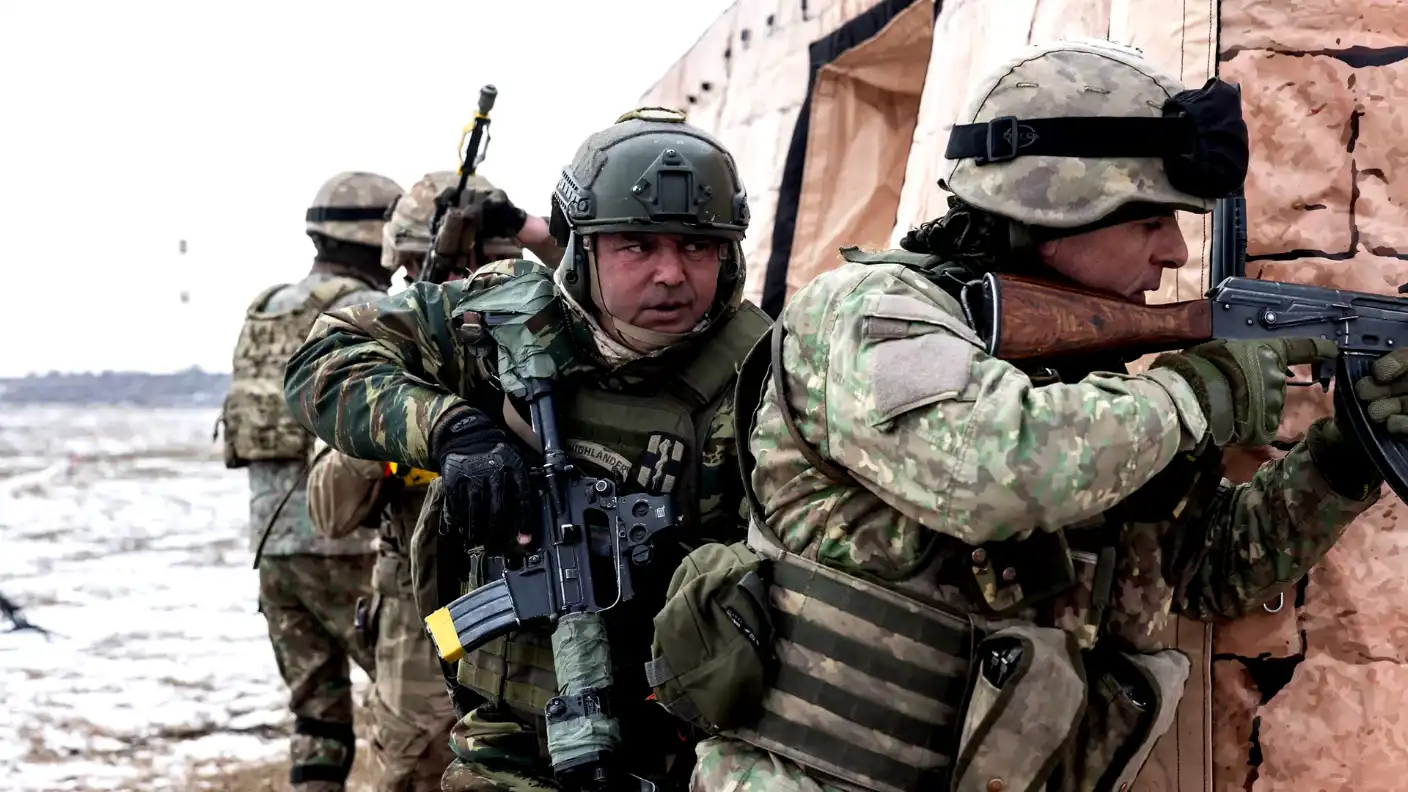
The actual substance of the military decision did not surprise NATO officials. Last Friday, the White House announced plans to remove exactly 5,000 American troops from German soil. European leaders already agreed with Trump that their own nations must take over more responsibility for their daily security, relying less on American soldiers to guard their borders.
However, a second announcement caused much more concern in Berlin. The United States decided to drop a major plan to deploy long-range American Tomahawk missiles to Germany. While this news worried German officials, it did not completely shock them. Former President Joe Biden originally made that missile deal, and the American military recently depleted its Tomahawk stockpiles while fighting alongside Israel in the war against Iran.
The real alarm for European governments stemmed from exactly how Trump handled the situation. The White House gave European leaders almost zero prior notification or consultation before announcing the massive troop withdrawal. Furthermore, American officials explicitly linked the troop cuts to Trump’s personal displeasure with German Chancellor Friedrich Merz. Merz recently criticized how the United States handles the brutal war in Iran, and Trump clearly wanted to punish him for speaking out.
Siemtje Moeller, a senior lawmaker from the German Social Democrats, expressed deep concern over the sudden move. She stated that the exact figure of 5,000 troops does not worry her. Instead, she fears the dangerous political signal coming out of Washington. She noted that longstanding, absolutely reliable global partnerships no longer seem to mean anything to the American president. She fears that Trump will continue to make arbitrary decisions based purely on his personal anger.
This troop cut follows a series of terrifying accusations from the American president. Trump recently claimed that his allies completely failed to support the United States during the Iran war. Because of this perceived lack of support, Trump suggested that Washington no longer needs to honor the famous Article 5 mutual defense clause that binds the NATO alliance together. He also pushed the alliance to the absolute brink when he threatened to take Greenland away from Denmark physically, a fellow NATO member. NATO Secretary General Mark Rutte managed to defuse that specific crisis, but the underlying anger remains.
European diplomats now fear that Trump will make even more dangerous moves to test the alliance before the massive summit of 32 national leaders in Ankara this July. An anonymous European diplomat stated that NATO’s long game is simply to survive until the Ankara summit. The diplomat noted that Europe must work with the Americans if possible, but prepare to survive without them if necessary.
Despite the harsh American criticism, defense experts say European nations have very little choice but to try to keep the United States on their side. Europe relies almost entirely on American military power to deter any potential attacks from Russia. To prove their worth, many European countries currently allow American forces to use local military bases and fly through restricted airspace during the Iran bombing campaigns. They keep this support incredibly quiet because the war remains deeply unpopular with regular European citizens.
While Spain completely banned the American military from using its bases, other nations stepped up. Rutte confirmed that Britain, Croatia, France, Germany, Greece, Italy, Montenegro, Portugal, and Romania continue to fulfill their military commitments to Washington. European officials also work tirelessly to convince Republican-friendly think tanks and American lawmakers that staying in NATO helps the American economy.
The crisis also exposed massive cracks forming between the European leaders themselves. Leaders from Western nations like Spain, France, and Germany frequently voice blunt criticism about the Iran war. They speak out to please their angry voters, even though it risks sparking Trump’s infamous rage. In stark contrast, Rutte believes this anti-war rhetoric hurts the alliance. Some Eastern European countries agree with Rutte, terrified that angering Trump will weaken NATO and embolden Russia to attack them next.
Rutte expressed his deep frustration during a recent podcast interview, stating that it irritated the hell out of him when European countries claim the Iran conflict is not their war. To smooth things over, several European nations promised to help clean up the mess when the fighting finally stops. The Netherlands, Belgium, and Germany promised to send specialized ships to help clear explosive mines from the Strait of Hormuz. Rutte told reporters in Armenia that European leaders heard the United States’ angry message loud and clear and plan to do their part.















