

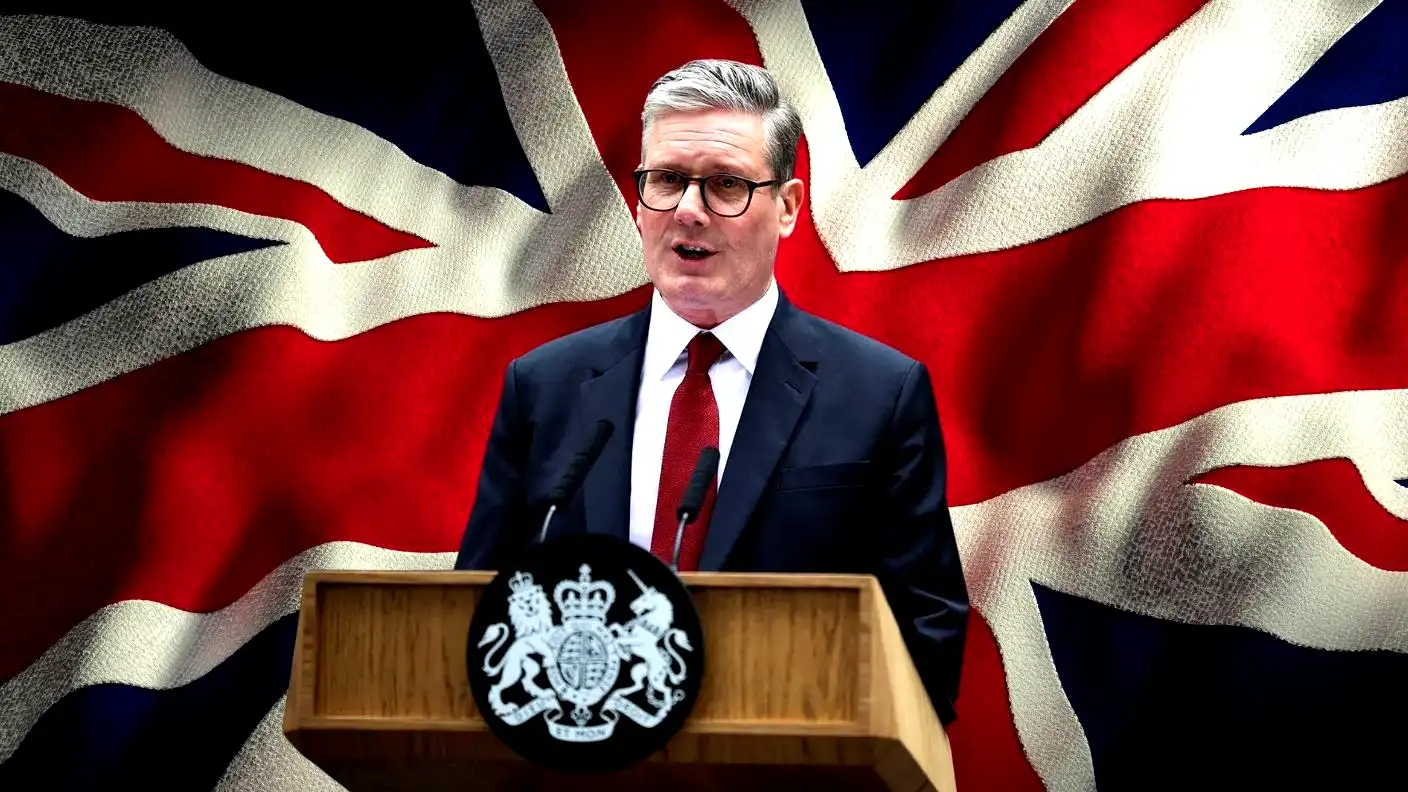
British Prime Minister Sir Keir Starmer faces a massive political crisis. After suffering brutal losses during recent local elections, millions of voters clearly abandoned his Labour Party. Despite the terrible news, Starmer refuses to quit. On Friday, he publicly promised not to walk away and plunge the country into chaos. Instead, he plans to launch a renewed push for closer ties with the European Union. However, officials in Brussels worry that his extreme political weakness could easily derail any meaningful post-Brexit reset.
These devastating local election results sit in stark contrast to the massive victory Labour enjoyed less than 2 years ago. Back then, Starmer won one of the absolute largest majorities in British parliamentary history. Now, hundreds of Labour councillors have lost their seats as Nigel Farage’s Reform UK party made massive gains across the country. Starmer bluntly admitted the results felt incredibly painful, telling reporters there was absolutely no way to sugarcoat the tough losses.
To save his struggling premiership, Starmer plans a massive political reboot starting on Monday. He will deliver a major speech promising a much closer relationship with the European Union. This strategy actually matches the current public mood in Britain. Almost exactly 10 years after the famous Brexit referendum, voters now view the decision to leave the EU as a massive mistake by a staggering 2-to-1 margin.
Leaders in Brussels see both opportunity and danger in this situation. European officials would happily welcome improved relations after a decade defined by the ugly Brexit divorce. Global crises, like the war in Ukraine and the recent re-election of Donald Trump, have already forced the UK and the EU to work closer together on military defense issues.
Starmer played a very important role in rallying support for Ukraine last year when the United States pulled back its financial aid. He also aligned perfectly with the EU’s cautious tone regarding the ongoing war in Iran. Starmer called for military restraint, even after facing fierce public criticism from US President Donald Trump for refusing to join the overseas conflict.
Despite these positive moves, the European Union remains incredibly wary. Starmer looks historically weak right now. National polls show support for the Labour Party hovering under 20 percent. Sometimes, Labour even falls behind both the Conservatives and the Green party in the polls. Meanwhile, the Reform UK party dominates the charts, holding steady at around 25 percent voter support.
The personal ratings for Starmer look absolutely catastrophic. Recent polls show that only 19 percent of British voters actually approve of his leadership, leaving him with a brutal net approval rating of minus 45 percent. Betting markets now treat his potential exit from office as an effective coin toss, predicting he might lose his job before the end of June.
Political rivals inside his own Labour Party already circle the struggling leader like sharks. Rumors flood Westminster about potential leadership challenges from former Deputy Prime Minister Angela Rayner, Health Secretary Wes Streeting, and Manchester Mayor Andy Burnham. This internal chaos matters deeply in Brussels. One EU diplomat noted that European leaders are very cautious about going all in on Starmer because he might get fired in just a few months.
European officials also worry heavily about the long-term future of the UK. Reform UK has led the national polls since early 2025. Bookmakers currently favor them to win the very next general election, which the government must hold by the year 2029. This means Nigel Farage serves as the likeliest next prime minister. Farage previously led the original Brexit Party and promised a much harder approach to the EU, including ripping up the current post-Brexit trade deal to strip European citizens of their basic benefit rights.
Fabian Zuleeg, the chief executive of the European Policy Center, explained the deep fear inside Brussels. He noted that since Brexit happened, European leaders worry that Britain will make massive commitments it simply cannot fulfill, especially if a Farage government could easily reverse those promises a few years later.
Even setting the political drama aside, the EU struggles to measure the UK’s actual level of engagement. Despite Starmer’s loud promise of a grand reset when he took office, progress remains incredibly slow. Labour refuses to cross its own strict red lines. Starmer absolutely refuses to return to the Single Market, the customs union, or the original freedom-of-movement rules.
Negotiators made some little progress on defense cooperation, energy links, and a basic veterinary agreement to reduce post-Brexit trade friction. However, major headline ambitions remain stuck in technical arguments over funding and strict regulatory alignment. For example, talks on UK participation in the massive 150 billion-euro SAFE defense fund stalled over disputes about financial contributions.
European officials feel frustrated because Britain seems totally uncertain about what kind of long-term relationship it actually wants. Leaders in Brussels argue that London cannot demand deeper access to the Single Market while completely rejecting all the heavy obligations that come with it. Ultimately, few officials in Brussels want to waste valuable political capital negotiating highly sensitive deals with a weak British prime minister who might not survive the summer.















