

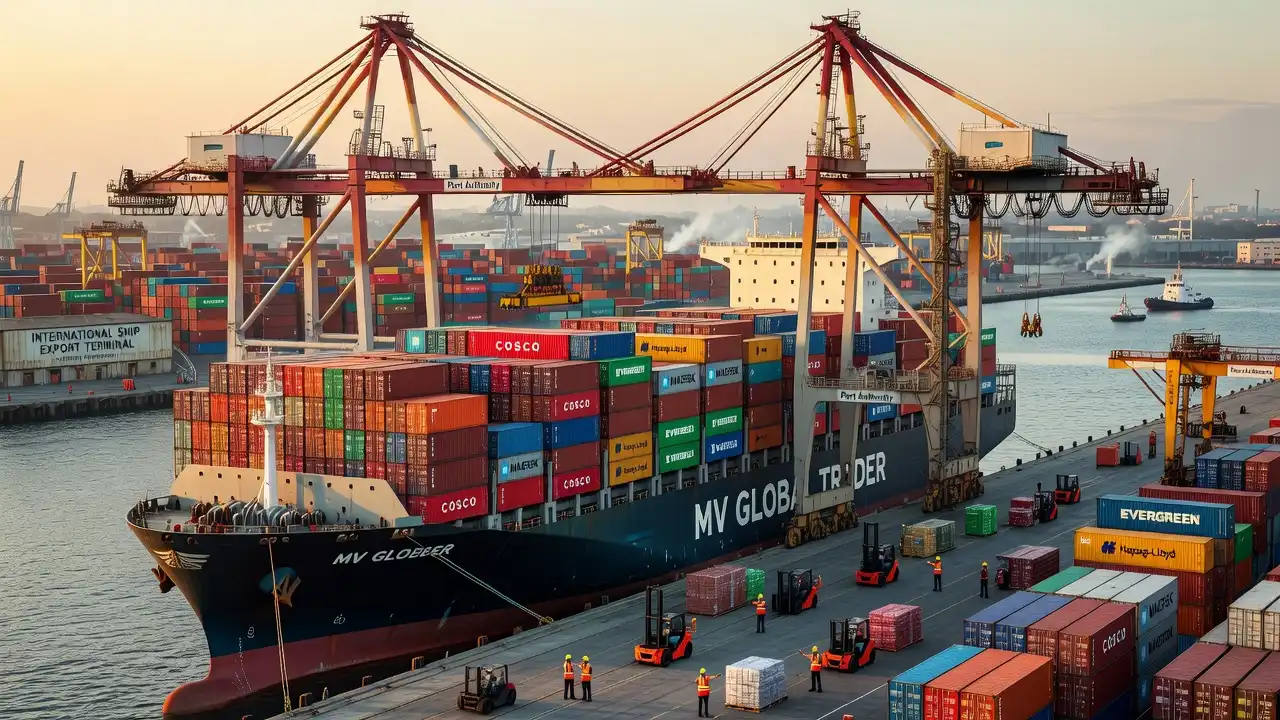
Chinese factories experienced a massive rush of business this April. Overseas buyers flooded manufacturers with new orders as they scrambled to stockpile essential components. These foreign companies fear the ongoing war in Iran will soon push global energy and material costs much higher. Because of this sudden panic buying, China saw its export numbers skyrocket well past early predictions.
Official customs data released on Saturday showed exports grew by 14.1 percent in April compared to the same month last year. This huge jump completely crushed the 7.9 percent growth rate that financial economists originally expected. It also marks a massive improvement over March, when total exports grew by only a modest 2.5 percent.
Factory activity reports published last month confirm this sudden surge in manufacturing activity. New export orders reached their absolute highest level in 2 years. Foreign companies want to secure their supply chains right now before the Middle East conflict makes shipping and manufacturing too expensive. They know perfectly well that higher energy prices directly translate to more expensive factory parts.
While exports exploded, Chinese imports also enjoyed another incredibly strong month. Incoming shipments climbed by a solid 25.3 percent in April. This number easily beat the 15.2 percent growth forecast set by market experts. It also closely followed the massive 27.8 percent import surge the country recorded back in March.
All of this heavy trading activity created a massive financial win for Beijing. China saw its national trade surplus jump to $84.8 billion last month. This represents a huge leap from the $51.13 billion surplus recorded in March. This strong momentum carries over from the first quarter of the year, where China hit a 5 percent economic growth rate. This 5 percent figure aligns with the government’s official full-year target range, reducing the immediate need for emergency financial stimulus.
Despite the excellent spring numbers, financial experts warn that this boom carries hidden dangers. Chinese exporters easily handled the early fallout from the Middle East conflict, but this luck might run out soon. If the war drags on for several more months, soaring fuel costs will eventually destroy the purchasing power of foreign buyers. When external demand finally drops, Chinese factory owners will face a harsh reality.
Right now, ordinary Chinese citizens do not earn enough to keep the massive factories running on their own. Economists note that sluggish domestic consumption remains a huge problem for the nation. Retail sales consistently underperform relative to total industrial output. If foreign buyers stop ordering parts, local shoppers simply cannot plug the giant gap in the economy.
Even with heavy government subsidies and cut-price manufacturing tactics, Chinese factories still feel the sting of global inflation. Factory data shows that basic input prices stay dangerously high. Manufacturers currently pay steep premiums for refined goods, crude petroleum, dirty coal, and harsh chemicals. At the same time, national unemployment rates recently edged higher, putting even more pressure on local workers.
Against this tense economic backdrop, high-level political drama approaches Beijing. United States President Donald Trump plans to visit China next week. He will attend a major meeting with Chinese President Xi Jinping. Both leaders desperately want to secure quick economic wins to boost their domestic popularity while managing international crises.
Political analysts expect the two leaders to find some common ground on simple trade deals. Trump and Xi will likely agree to new contracts involving American farm trade and commercial airplane parts. However, experts strongly doubt this single trip will soften the deep strategic rifts between the two giant nations. Heavy arguments over the island of Taiwan will certainly keep the geopolitical relationship cold for the foreseeable future.















