

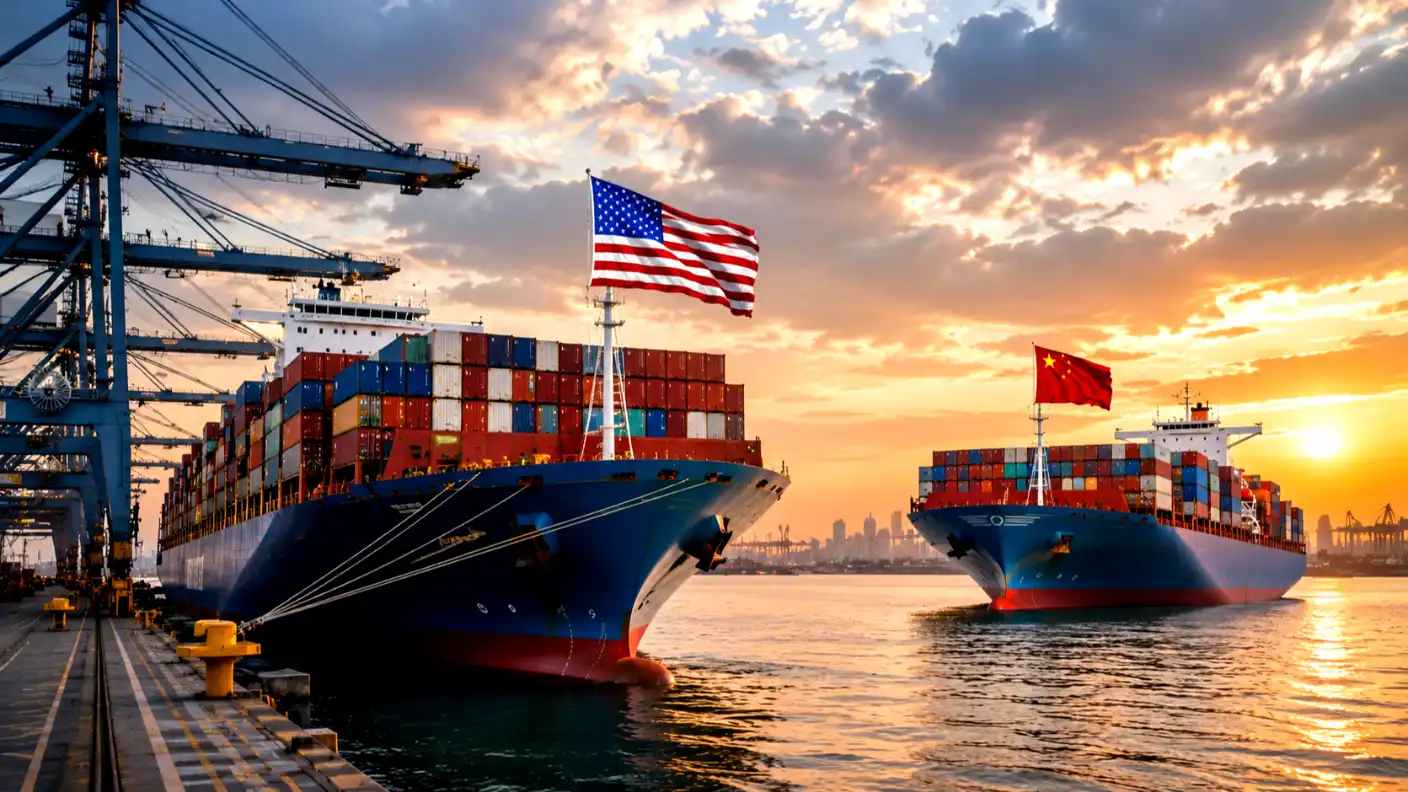
Chinese Vice Premier He Lifeng will take a team of top officials to South Korea on May 12 and May 13. They plan to sit down with United States representatives to hash out ongoing trade disputes. China’s Ministry of Commerce announced this upcoming trip on Sunday morning through a brief public statement on its website. The announcement signals a fresh attempt by both global powers to cool down economic tensions that have rattled international supply chains for months.
These new discussions grow directly from promises made late last year. Leaders from both countries met in Busan last October and agreed to keep their communication channels open. During that autumn summit, they reached a basic consensus to stop escalating their bitter trade dispute. Now, He Lifeng and his American counterparts will try to turn those broad promises into concrete trade agreements. They want to tackle mutual economic concerns that directly affect thousands of businesses in both nations.
The stakes remain incredibly high for both economies right now. Over the past year, new tariffs have hit more than $200 billion in goods flowing across the Pacific Ocean. These border taxes hurt agricultural producers, technology hardware makers, and everyday retail consumers. Just last month, global shipping volume dipped by 1.5% as buyers grew uncertain about future material costs. Officials heading to South Korea hope these two days of intensive talks can reverse that negative economic trend.
Negotiators will focus heavily on technology, hardware,e and agricultural exports during their 48 hours of meetings. American farmers want China to commit to buying at least $30 billion in soybeans, corn, and pork this calendar year. Meanwhile, Chinese technology firms want the United States government to ease strict export controls on sales of advanced microchips. Both sides have a massive amount of capital to lose if the talks collapse. A breakdown in negotiations could easily trigger another round of retaliatory tariffs.
While He Lifeng talks with U.S. officials in South Korea, U.S. President Donald Trump has his own major travel plans. Trump will fly to Beijing later this week for direct conversations with the Chinese leadership. The White House views this upcoming trip as a critical step in reshaping the entire business relationship between the two countries. Trump wants to personally address the massive trade deficit, which currently stands near $350 billion annually, according to recent Commerce Department reports.
A small group of powerful American business leaders will travel with the president. The White House recently sent out exclusive invitations to select executives, asking them to join a scaled-back CEO delegation. In previous years, dozens of corporate leaders might have joined such a high-profile diplomatic trip. This time, the administration chose to limit the group to exactly 15 key executives from the energy, banking, and manufacturing sectors.
Administration officials decided to keep the delegation intentionally small for a very specific reason. A smaller group allows for more direct, private conversations with senior Chinese financial regulators. The visiting executives plan to push hard for better intellectual property protections inside China. Business groups estimate that American companies lose nearly $50 billion every single year to patent theft and unfair domestic market rules. They need the Chinese government to enforce stricter financial penalties against these illegal business practices.
Financial markets reacted quickly and positively to the news of both diplomatic trips. Investors always appreciate clear signs of forward movement between the world’s two largest economies. On Monday morning, major stock indices across Asia and North America gained around 2.4% right after the opening bell. Traders clearly believe that having two separate teams working on the trade problem simultaneously increases the overall chances of a lasting breakthrough.
Still, trade experts warn that people should not expect an overnight miracle from either meeting. The two countries spent the last three years aggressively building up massive trade barriers. Tearing those walls down will require many long rounds of complicated legal negotiations. He Lifeng has a strong reputation as a fierce negotiator who firmly protects Chinese domestic industries. The U.S. trade team will have to present very compelling financial offers to get him to compromise on state subsidies.
The next seven days could easily redefine the trajectory of the global economy for the next decade. As He Lifeng opens his briefing binders in South Korea, Donald Trump will pack his bags for Beijing. Over $1 trillion in bilateral investment and millions of manufacturing jobs rely directly on what happens inside these diplomatic meeting rooms. Business owners around the world will be watching closely to see whether these two massive economies can finally find common ground and sign a workable deal.















