
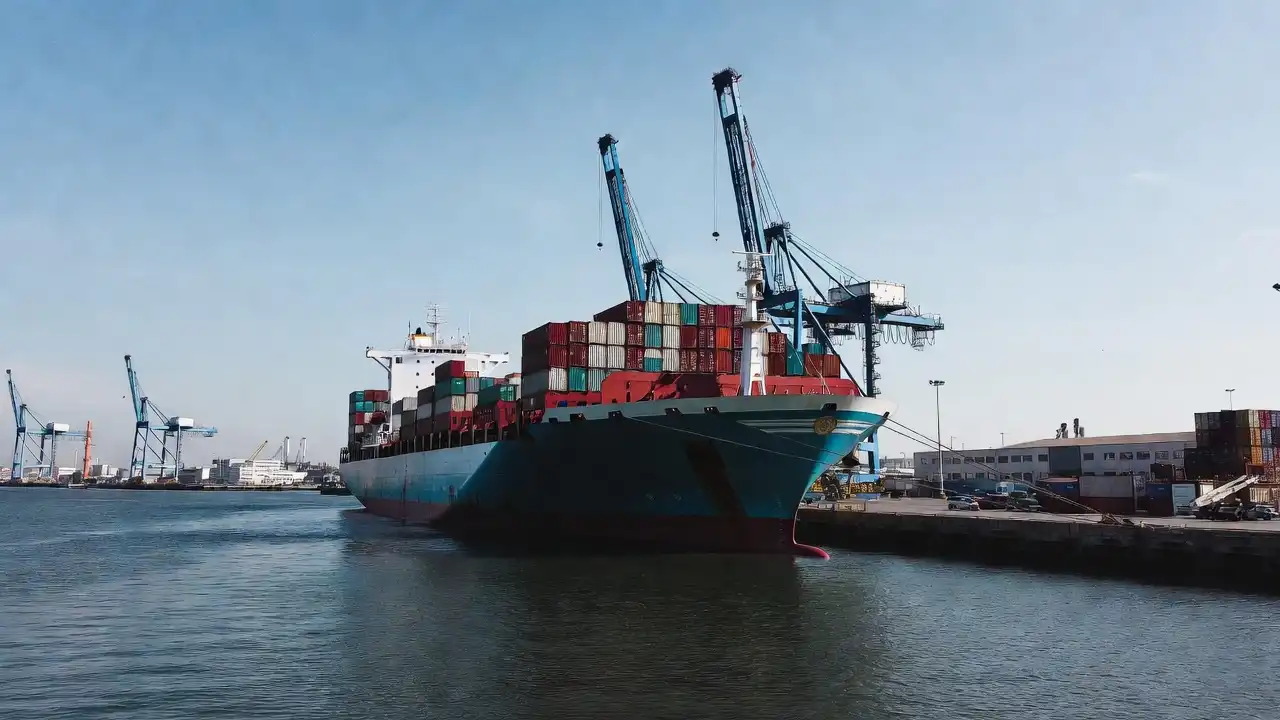
China and the Association of Southeast Asian Nations see a massive opportunity sitting right in the ocean. Officials and regional experts gathered on Sunday to discuss plans for deepening cooperation in the blue economy sector. They want to build a highly integrated common market across the water. Leaders believe this bold move will strengthen the entire region against sudden external economic shocks and inject fresh momentum into local growth.
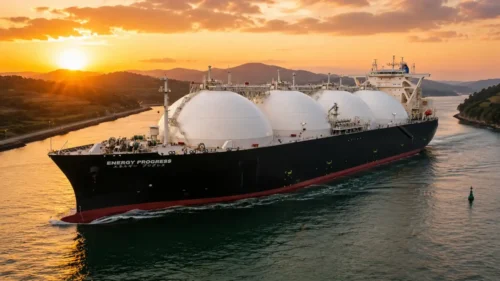
The China-ASEAN Blue Economy Cooperation Dialogue took place in Haikou, the capital city of Hainan province. During the meeting, speakers highlighted the many dangers facing the global economy today. They noted that rising geopolitical tension, growing trade protectionism, and severe risks to energy supply chains make regional teamwork essential. Both sides need to quickly explore new business opportunities in marine energy, port logistics, commercial shipping, marine tourism, and heavy coastal industries.
The Hainan Free Trade Port stands right at the center of this massive plan. Because of its unique geographic location and special government policy advantages, leaders expect the port to serve as the main strategic hub for all future China-ASEAN blue economy projects. According to the World Bank, the blue economy refers to the sustainable use of ocean resources to drive economic growth and create new jobs, while protecting the fragile health of the ocean ecosystem.
Wang Bin, a top member of the local Communist Party committee, spoke proudly about the role his province will play. He called Hainan a vital gateway for China to open its doors to the ASEAN countries. He promised the crowd that Hainan will make every possible effort to promote high-quality marine development and take an incredibly active role in future regional cooperation.
Lyu Bin, the president of the China Oceanic Development Foundation, agreed. He told the audience that the Hainan Free Trade Port offers a rare opportunity to address longstanding problems. For years, massive bottlenecks constrained true economic integration between China and its southern neighbors. Now, thanks to the unique opening-up arrangements and the friendly policy environment in Hainan, those old roadblocks will finally disappear.
Chi Fulin, the president of the China Institute for Reform and Development, explained exactly why this matters. He stated that a dedicated China-ASEAN blue economy common market puts the entire region in a much stronger position to survive terrible external shocks. He believes this unified market will open up massive new opportunities for cooperation and force local industrial and supply chains to integrate more closely together.
The local marine economy in Hainan already shows incredible signs of life. Official data revealed that the province’s gross domestic product rose by exactly 7.9 percent in 2025. This massive jump makes the ocean economy one of the absolute mainstays of local financial growth. Emerging tech sectors drive this rapid expansion, especially the deep-sea oil and gas industry, which posted robust gains in both reserves and daily output last year.
One massive project perfectly highlights this recent success. The independently developed Deep Sea No. 1 gas field is the first ultra-deepwater project in China. Since its official launch in 2021, the project has recently celebrated the completion of its 100th successful crude oil shipment. This kind of steady, reliable energy production gives both local and foreign investors massive confidence in the region.
Officials from ASEAN member states share this extreme optimism. Unny Sankar Ravi Sankar, the minister of economic affairs at the Malaysian embassy in China, praised the new initiative. He stated that the blue economy offers one of the most promising pathways possible for China and ASEAN to build a deeply integrated common market. He confidently predicted that this new blue economy would completely transform the development landscape across the entire region.
Rokhmin Dahuri, the former minister of marine affairs and fisheries for Indonesia, noted the sheer size of the opportunity. He pointed out that China and ASEAN together form one of the most dynamic maritime regions on the entire planet. This massive shared coastline creates vast room for deeper cooperation and serious regional integration that benefits everyone involved.
However, Dahuri also warned the crowd about the harsh reality of ocean development. He stressed that the blue economy still faces pressing challenges that no one can ignore. Heavy overfishing, severe marine pollution, habitat degradation, and massive biodiversity loss threaten to ruin the very resources these countries want to use. Dahuri begged the leaders to strike a careful balance between chasing fast economic growth and protecting the natural environment.
To solve these environmental problems, Dahuri suggested looking toward modern technology. He noted that China can play a massive role by providing cutting-edge tech solutions. He specifically mentioned using artificial intelligence, smart digital applications, drones, and underwater robotics to monitor ocean health. These advanced tools can help countries tap into the blue economy’s massive financial potential in a much cleaner and safer way.